GPS running watches: do you need one, and which
Updated · 6 min read
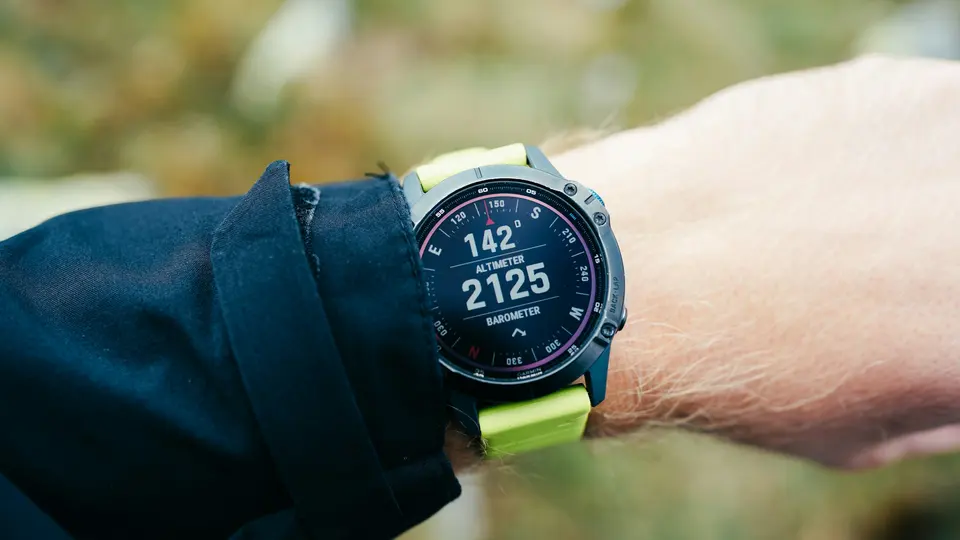
In short: A beginner does not need a running watch. Your phone has GPS, and the X Challenge app records the distance for every challenge. A watch is worth buying once you run often and want pace and heart rate on your wrist, or a longer battery than a phone. Entry GPS watches list under $300, mid-range models from $350 to $550, and premium ones over $700. For most new runners, an entry watch from a running brand is all you will ever need.
Phone or watch
| Phone | Running watch | |
|---|---|---|
| Cost | Already own it | From the entry band up |
| Distance and pace | Yes, by GPS | Yes, by GPS, at a glance on your wrist |
| Heart rate | Only with a sensor or watch | Built in on every model here |
| Battery on a run | Hours, shared with everything else | Many hours of GPS on a running watch |
| Carrying | Needs a belt, pocket or armband | Nothing to carry |
The X Challenge app records each session from your phone, and it keeps recording with the phone locked in a pocket. If you leave the phone at home and run with a watch, you can enter the distance by hand in the app afterward.
A watch also changes how you train. With heart rate on your wrist, you can keep easy runs truly easy and see your fitness improve as the same pace takes a lower heart rate. With a phone in a belt, you mostly check pace and distance after the run.
Entry: under $300
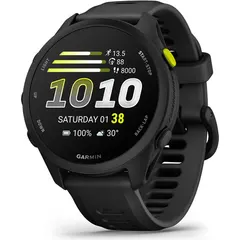
Garmin Forerunner 70010-04307-00
AMOLED; up to 13 days battery, per Garmin
List price at garmin.com, checked Nov 6, 2026 · Photo: garmin.com
$249.99Brand site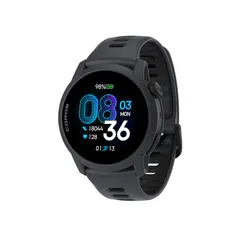
COROS PACE 4
AMOLED; up to 41 h GPS, 19 days daily use
List price at coros.com, checked Nov 6, 2026 · Photo: coros.com
$249Brand site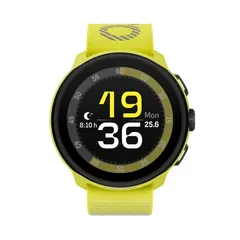
Suunto Run
Up to 12 days daily use, 20 h training
List price at us.suunto.com, checked Nov 6, 2026 · Photo: us.suunto.com
$249Brand site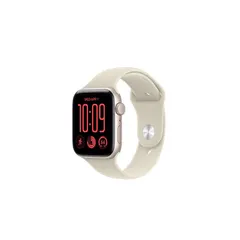
Apple Watch SE 3
From price, 40 mm GPS; up to 18 h battery
List price at apple.com, checked Nov 6, 2026 · Photo: apple.com
$249Brand site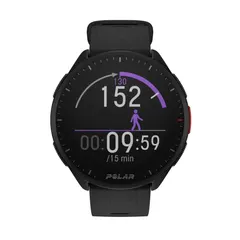
Polar Pacer
Up to 6.5 days battery, per Polar
List price at polar.com, checked Nov 6, 2026 · Photo: polar.com
$299.90Brand site
Every one of these tracks distance, pace and wrist heart rate. The Garmin, COROS, Suunto and Polar are built for running first and last many days between charges. The Apple Watch SE 3 is a smartwatch that also runs well, but expect to charge it most nights.
Pick by the phone and app you already use. An iPhone owner who wants notifications and payments will like the Apple Watch. Someone who wants a week between charges and a simple running screen will be happier with the Forerunner 70, PACE 4, Suunto Run or Pacer. Any of them is enough to train for a half marathon.
Mid-range: $350 to $550
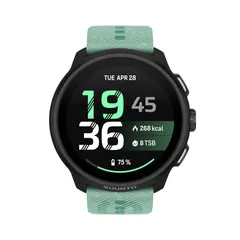
Suunto Run 2
35 g; about 24 h dual-band GPS, 10 days daily use
List price at us.suunto.com, checked Nov 6, 2026 · Photo: us.suunto.com
$399Brand site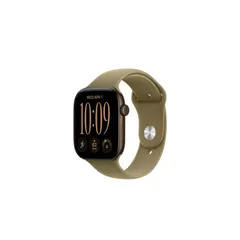
Apple Watch Series 12
From price, 42 mm GPS; up to 24 h battery
List price at apple.com, checked Nov 6, 2026 · Photo: apple.com
$399Brand site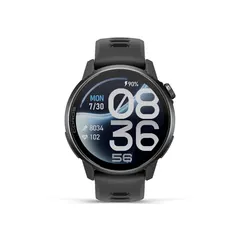
COROS PACE 4 Pro
AMOLED; up to 60 h GPS, 21 days daily use
List price at coros.com, checked Nov 6, 2026 · Photo: coros.com
$449Brand site
Garmin Forerunner 265010-02810-01
AMOLED; 15 days smartwatch, 24 h GPS-only
List price at garmin.com, checked Nov 6, 2026

Polar Vantage M3
Multisport; up to 7 days battery, per Polar
List price at polar.com, checked Nov 6, 2026

Garmin Forerunner 570 (42mm)010-02970-02
AMOLED; 10 days smartwatch, 18 h GPS-only
List price at garmin.com, checked Nov 6, 2026
Prices are the brand’s list price on the day checked. Some links are affiliate links: as an Amazon Associate, X Challenge earns from qualifying purchases, at no extra cost to you.
This band adds brighter screens, dual-band GPS on some models for better accuracy among tall buildings, training-load and recovery feedback, and longer GPS battery. It suits someone running four or more days a week who wants structured workouts on the wrist.
Premium: over $700

Garmin Forerunner 970010-02969-01
AMOLED + LED flashlight; 15 days smartwatch, 26 h GPS-only
List price at garmin.com, checked Nov 6, 2026
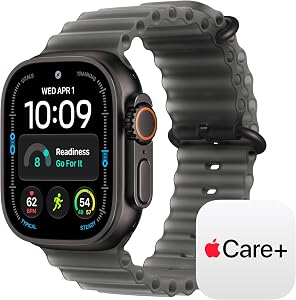
Apple Watch Ultra 4
From price; up to 50 h battery
List price at apple.com, checked Nov 6, 2026
Prices are the brand’s list price on the day checked. Some links are affiliate links: as an Amazon Associate, X Challenge earns from qualifying purchases, at no extra cost to you.
These add maps, the longest batteries, tougher cases and, on the Garmin, a built-in flashlight. They make sense for trail runners and ultra-distance training, not for someone finishing a first 10K.
If you love gadgets and plan to run for years, a premium watch will last a long time. If you are still deciding whether running is for you, an entry watch and the money saved toward good shoes is the better order.
What to compare
- Battery: check both smartwatch days and GPS hours. A long-distance runner wants the GPS figure to cover the longest run with room to spare.
- Buttons or touchscreen: buttons work with sweaty fingers and gloves; touchscreens are easier to scroll on the couch.
- Screen: AMOLED is bright and sharp; memory-in-pixel screens are easier to read in sun and use less power.
- Size: try it on. A 42 mm watch sits better on a small wrist.
- App: Garmin Connect, COROS, Suunto, Polar Flow and Apple Fitness each feel different. Pick the one you enjoy opening.
- Extras: music, maps, payments and cellular cost more. A beginner can skip all of them.
- Apple prices are starting prices for the smallest GPS model; larger sizes and cellular cost more.
When a watch is worth it
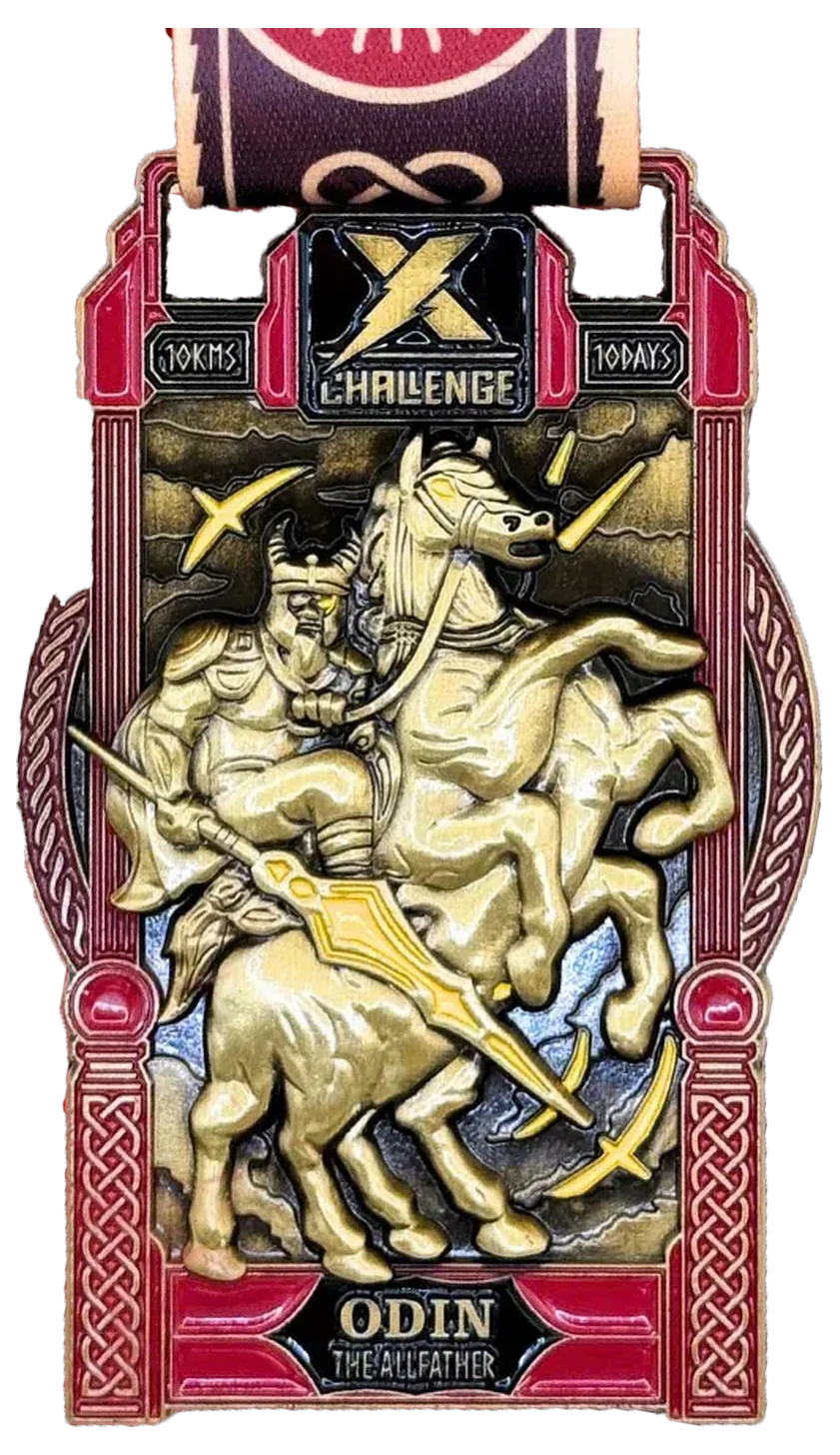
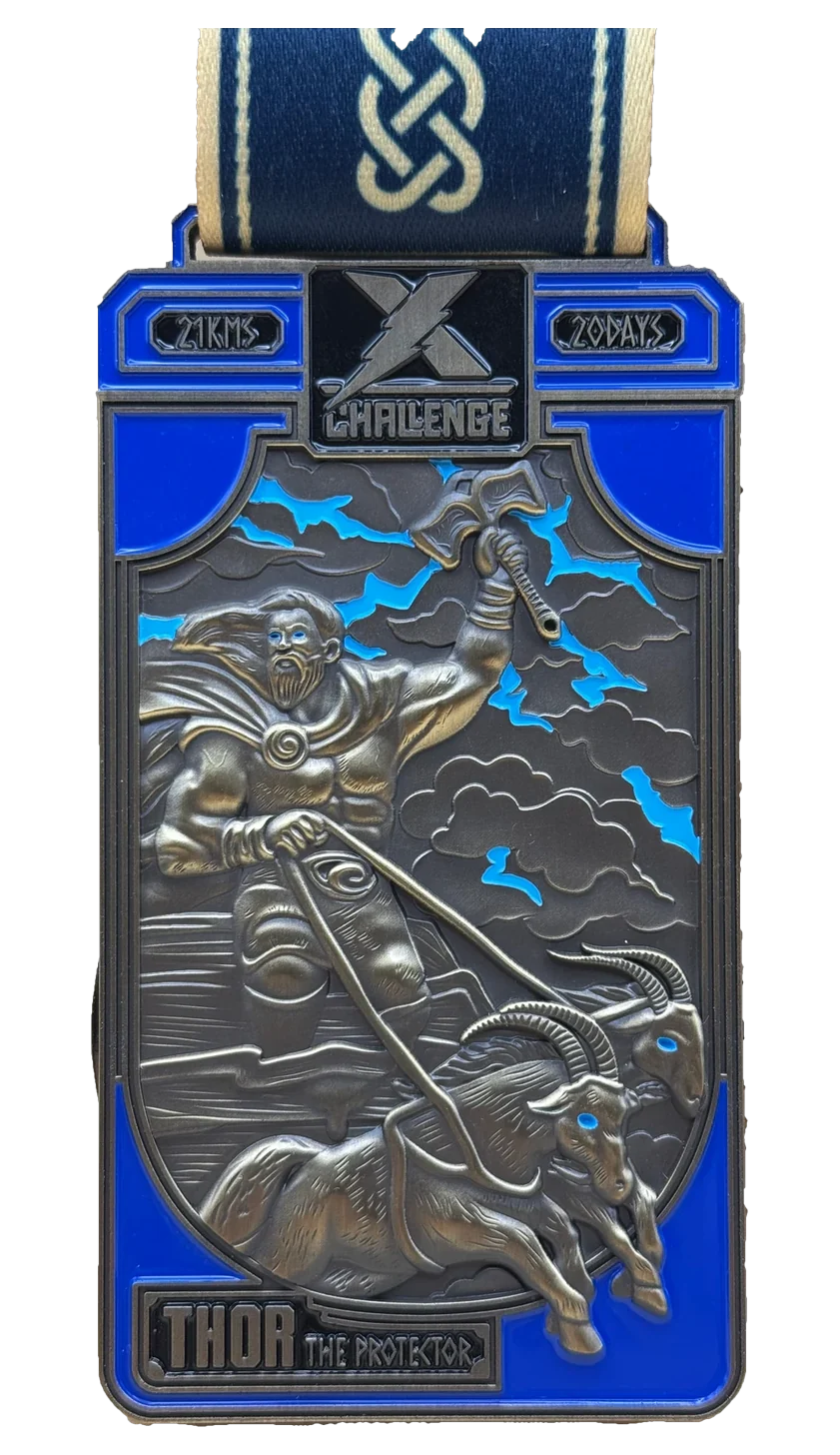
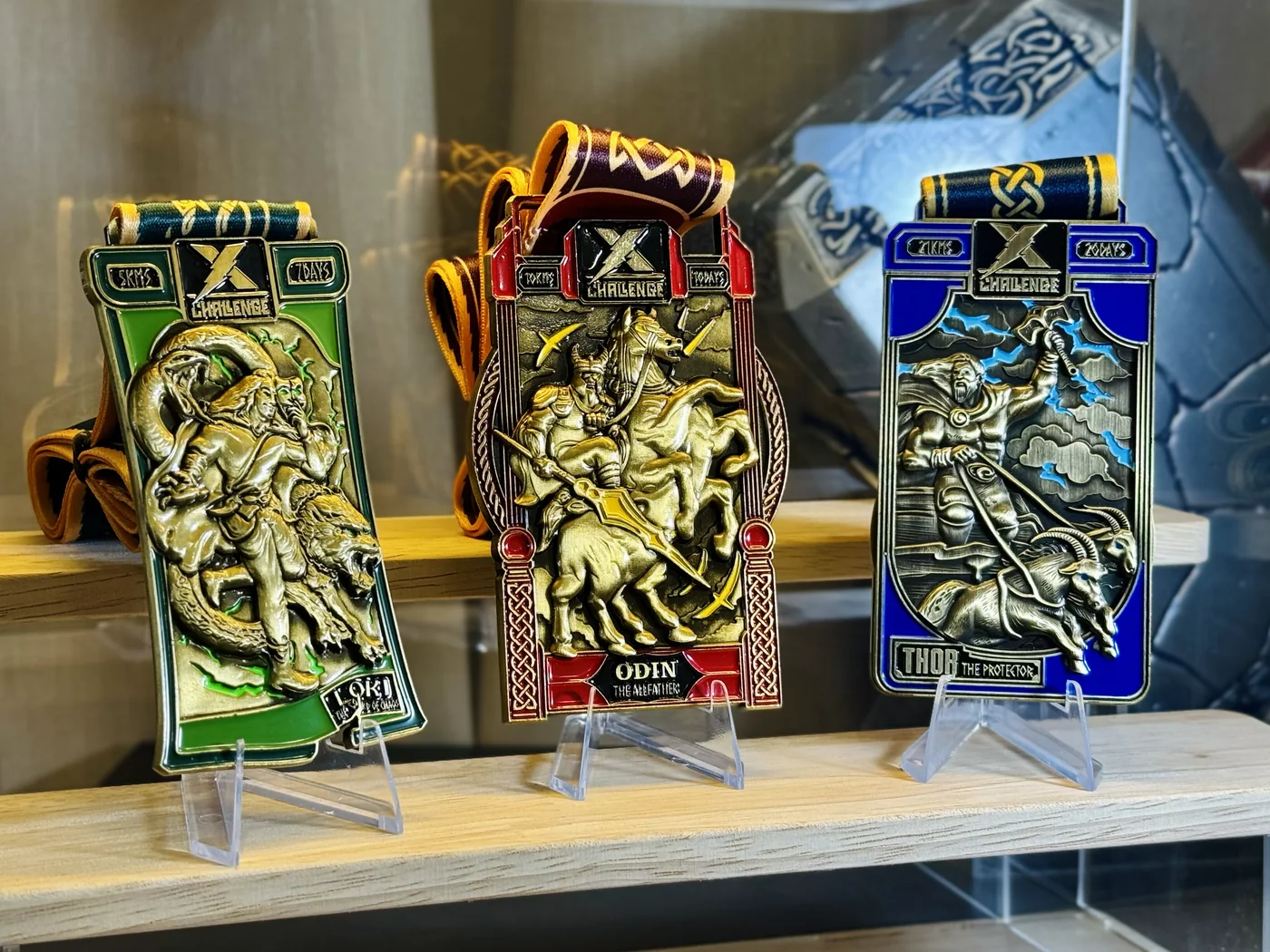
Buy one when you have run consistently for a couple of months and know you will keep going. Signs it is time: you want to see pace without pulling out a phone, you want heart rate to keep easy runs easy, or your phone battery runs low on long days. For a 10-day goal like ODIN, a phone does the job. For a long build like THOR, or a run-walk plan with timed intervals, a watch that buzzes on each switch is a real help.
Once you have one, use only a few features at first:
- Set the main screen to show time, distance and heart rate, and nothing else.
- Use the interval or run-walk timer if you are building up from walking.
- Look at the weekly distance total, not single runs, to see progress.
- Leave advanced training scores alone for the first months; they need weeks of data to mean much.
Mistakes to avoid
- Buying the top model first. Most of its features go unused in the first year.
- Chasing pace on every run. Easy runs should feel easy, whatever the watch says.
- Trusting wrist heart rate blindly. It can lag or jump, especially in cold weather or on a loose strap.
- Forgetting to charge it. A running watch only helps when it has battery.
Common questions
- Is an Apple Watch good for running? Yes, for most beginners, if you are happy charging it often.
- Garmin or COROS? Both are good. COROS lists long battery life for the price; Garmin has a larger app and accessory ecosystem.
- Do I need a chest strap? Not to start. It reads heart rate more steadily than the wrist if you train by heart rate later.
- Will a watch count toward my challenge? Your run counts when the X Challenge app records it, or when you enter the distance in the app by hand.
- Should I buy last year’s model? Often a good deal. Check that it still gets software updates.
Prices are list prices at the brand’s own store on the day checked. They change, and sales are common, so check the live page before you buy. We picked by specs, fit notes and price; we have not run in every item.
Challenges from this guide
Or take the whole set
More: all guides · how it works · every challenge