
Running shoes for beginners, by budget
Updated · 7 min read
In short: A beginner does not need an expensive shoe. A well-fitting daily trainer under $120 is enough for your first few hundred miles. From $120 to $150 you get the cushioned daily trainers most running stores suggest first, and over $150 the softer, bouncier models. Fit matters more than brand or price. Try shoes on late in the day, wearing your running socks, and buy the pair that feels comfortable the moment you stand up and jog a few steps.
What the extra money buys
Every shoe below is a daily trainer: a road shoe built for easy miles, walking and the odd faster run. Moving up a band mostly buys a lighter, softer or springier midsole foam and a more refined upper. It does not buy a better fit. A shoe that pinches your toes or lets your heel slip is the wrong shoe at any price.
The cheaper shoes use firmer foam and tend to weigh more. That suits someone running two or three times a week for 20 to 30 minutes. If you are building toward longer runs, or you are heavier and want more under your feet, the middle band is where most people end up.
Prices also move with the calendar. Brands update their daily trainers about once a year, and the outgoing version is often discounted when the new one lands. The changes between versions are usually small, so last year’s model is a good way to get a middle-band shoe for less.
Under $120

ASICS GEL-CONTEND 101011C249-020
Men's; 8 mm drop; 317 g / 11.2 oz
List price at asics.com, checked Nov 6, 2026
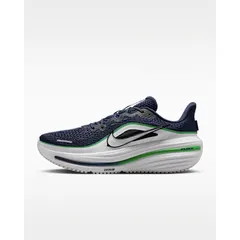
Nike Winflo 12II7229-400
Men's; 10 mm drop; about 11.4 oz; Cushlon 3.0 with a heel Air unit; Nike says it runs small
List price at nike.com, checked Nov 6, 2026 · Photo: nike.com
$110Brand site
Prices are the brand’s list price on the day checked. Some links are affiliate links: as an Amazon Associate, X Challenge earns from qualifying purchases, at no extra cost to you.
The GEL-CONTEND 10 is ASICS’s entry shoe, firmer and a little heavy, with an 8 mm drop. The Winflo 12 sits under the Pegasus in Nike’s line, with a heel Air unit and a 10 mm drop. Nike says it runs small, so try half a size up. Either one is plenty for a first 5K or for walking a long challenge.
Pick this band if you are not sure running will stick, or if you mostly walk. Both shoes are durable enough for a few hundred miles. Expect them to feel firmer on runs past about an hour, which is the point where many runners move up.
$120 to $150

adidas Supernova Rise 3JQ8502
Men's; about 9.6 oz
List price at adidas.com, checked Nov 6, 2026

Nike Pegasus 42IB1873-005
Men's; 10 mm drop; about 10.5 oz; ReactX foam with full-length Air Zoom
List price at nike.com, checked Nov 6, 2026

ASICS GEL-CUMULUS 281011C143-400
Men's; 8 mm drop; 259 g / 9.1 oz; neutral
List price at asics.com, checked Nov 6, 2026

New Balance Fresh Foam X 880v15M880V15-48603
Men's; 6 mm drop; 299 g / 10.5 oz
List price at newbalance.com, checked Nov 6, 2026

Brooks Ghost 18110493
Men's; 10 mm drop; 10.2 oz / 289 g; DNA LOFT v3
List price at brooksrunning.com, checked Nov 6, 2026
Prices are the brand’s list price on the day checked. Some links are affiliate links: as an Amazon Associate, X Challenge earns from qualifying purchases, at no extra cost to you.
These five are each brand’s everyday workhorse, and they are the shoes a running store hands most new customers first. The Ghost 18 and Pegasus 42 have the classic 10 mm drop. The 880v15 has a lower 6 mm drop if you prefer to feel closer to the ground. The GEL-CUMULUS 28 is the lightest of the five on ASICS’s numbers. Try two or three and keep the one you forget you are wearing.
Over $150
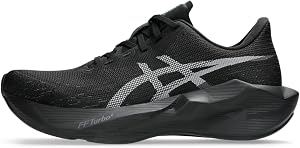
ASICS NOVABLAST 61011C243-001
Men's; 8 mm drop; 253 g / 8.9 oz; high cushion, bouncier ride
List price at asics.com, checked Nov 6, 2026

On Cloudsurfer 23MF1012
Men's; 9 mm drop; 261 g; Helion foam, CloudTec Phase
List price at on.com, checked Nov 6, 2026
Prices are the brand’s list price on the day checked. Some links are affiliate links: as an Amazon Associate, X Challenge earns from qualifying purchases, at no extra cost to you.
The NOVABLAST 6 has a tall, bouncy stack that many runners like for long easy days. The Cloudsurfer 2 uses On’s Helion foam and CloudTec Phase design, with a 9 mm drop. Neither will make a beginner faster on its own; they make long runs feel kinder on the legs. Buy one here if you already know a middle-band shoe feels too firm.
Which band suits you
| If you… | Start with | Why |
|---|---|---|
| Walk or run 2–3 times a week, under 30 minutes | Under $120 | A firmer, simpler shoe is fine for short sessions |
| Plan to reach 6 miles (10 km) or more | $120 to $150 | More cushioning for longer time on your feet |
| Run most days, or find mid-range shoes too firm | Over $150 | Softer, springier foam for high weekly mileage |
| Are training for a long multi-week challenge | $120 to $150 | Durable cushioning that lasts several hundred miles |
Common mistakes when buying a first pair:
- Buying by looks or by a friend’s favorite. Their foot is not yours.
- Buying your everyday shoe size without trying them on. Many runners need half a size up.
- Choosing the most cushioned shoe by default. Very soft, tall shoes can feel unstable to some beginners.
- Keeping a pair that rubs, hoping it will stretch. It usually does not.
How to try shoes on
- Shop late in the day or after a run. Feet swell through the day, and the American Academy of Orthopaedic Surgeons suggests trying shoes on then.
- Wear the socks you run in, and lace both shoes fully.
- Leave about half an inch, roughly a thumb’s width, between your longest toe and the end of the shoe.
- Walk and jog on a hard floor, not only the carpet. Your heel should not lift out, and nothing should rub.
- Pick the pair that feels good straight away. A running shoe should not need breaking in.
Buy from a store that accepts returns on lightly worn shoes, or order online from a brand with a trial window, and test them on a treadmill or indoors first. If the first run brings a hot spot or numb toes, swap them while you can.
How long a pair lasts
Most running shoes are good for roughly 300 to 500 miles. AAOS gives a rule of thumb: divide 75,000 by your body weight in pounds to estimate miles, so a 150-pound runner gets about 500. Replace them sooner if the foam feels flat or new aches appear. That is a lot of challenges: a 400-mile pair covers THOR about 30 times, or DRAGON, at about 111.2 miles, about 3 times.
Common questions
- Can I run in the sneakers I already own? For a few short runs, yes. Fashion or court shoes tend to be stiff and flat, so buy running shoes once you run more than once or twice a week.
- Do I need a gait analysis? Not to start. Most beginners do well in a neutral daily trainer that feels comfortable. See a specialist if you have pain that keeps coming back.
- Men’s or women’s? Buy whichever fits. Women’s versions are built on a narrower last, and the list price is usually the same.
- Should I wait for a sale? Last year’s version of a daily trainer is often discounted when the new one arrives, and it is usually close to identical.
- How many pairs do I need? One to start. Once you run four or more days a week, a second pair lets each one dry out between runs.
Sources and prices
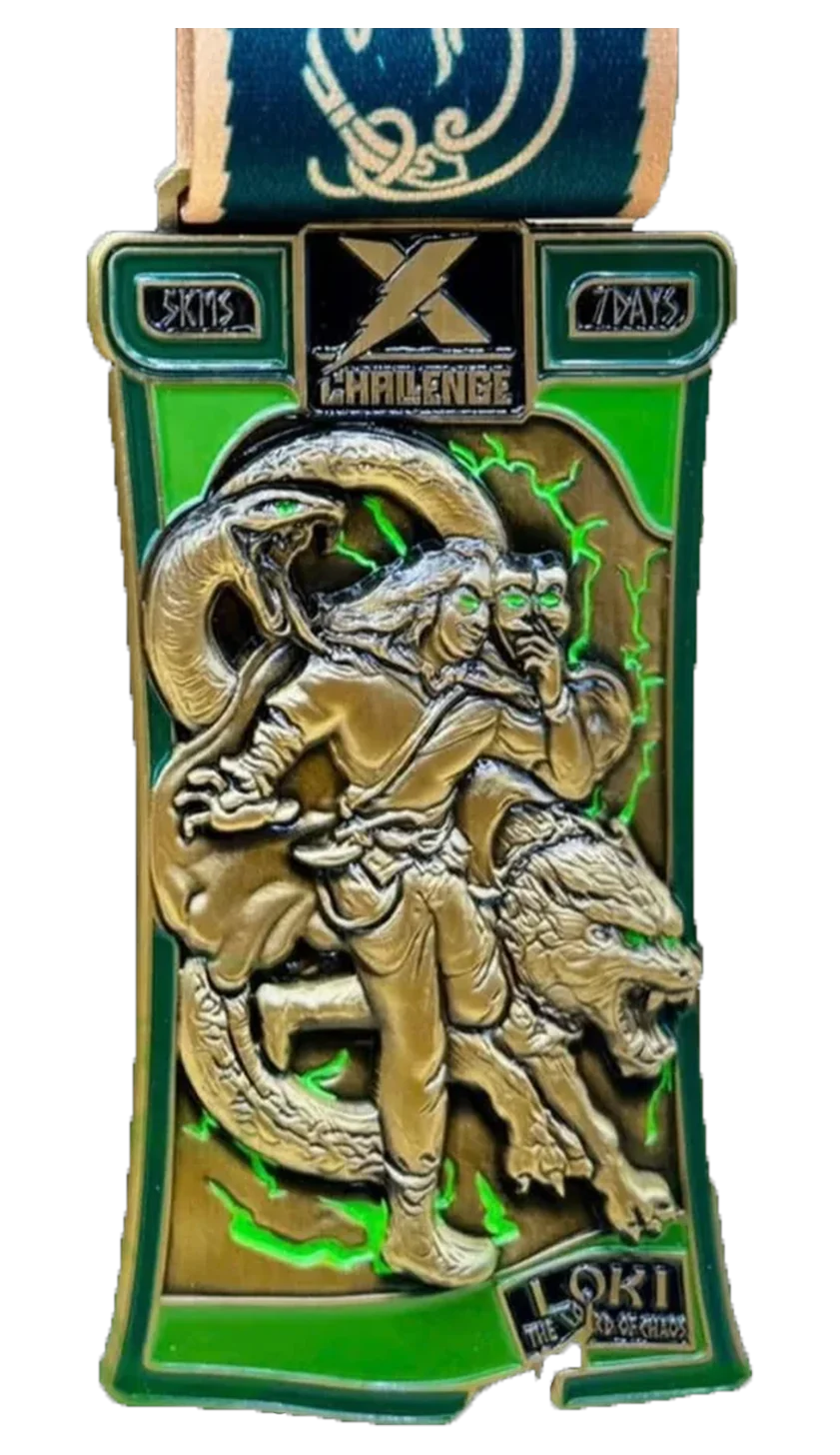
Prices are list prices at the brand’s own store on the day checked. They change, and sales are common, so check the live page before you buy. We picked by specs, fit notes and price; we have not run in every item. Where a product is men’s, the brand sells a women’s version at about the same list price. For fit, drop and cushioning in more depth, read how to choose running shoes. With shoes sorted, LOKI is a good first goal.
Challenges from this guide
Or take the whole set

More: all guides · how it works · every challenge