A short history of the finisher medal
Updated · 6 min read
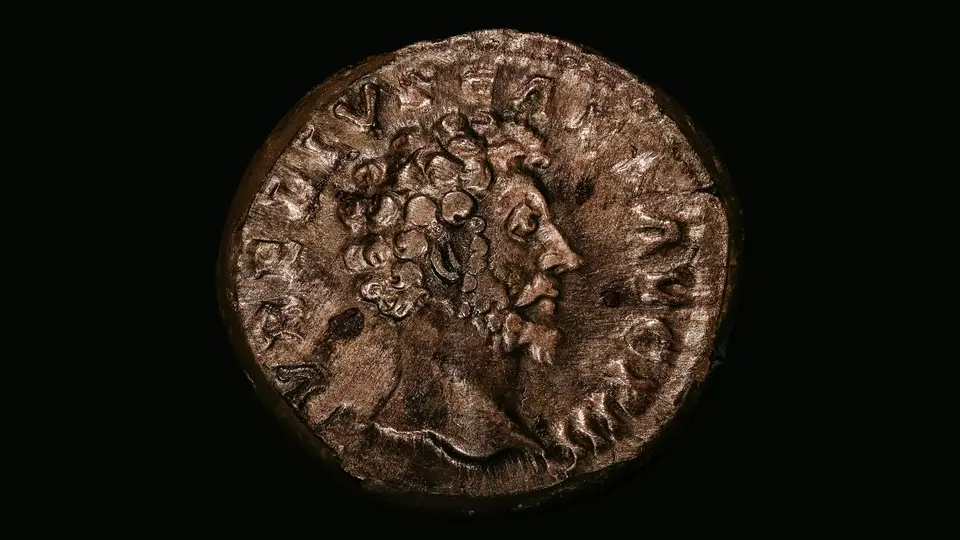
In short: Ancient Olympic winners got an olive wreath, not a medal. The first modern Olympics, in Athens in 1896, gave winners a silver medal and runners-up a copper or bronze one. Gold did not arrive until 1904. For most of the 20th century, race medals went to the fastest few. Medals for every finisher spread with big-city marathons: the Boston Marathon gave its first finisher medals in 1983, to the first 300 runners home. Today finishing is the achievement, and the medal marks it.
The timeline at a glance
| When | What the prize was | Who got it |
|---|---|---|
| Ancient Olympia | An olive wreath | The winner of each event |
| Athens, 1896 | Silver medal, olive branch, diploma | Winners; runners-up got copper or bronze |
| St. Louis, 1904 | Gold, silver and bronze medals | The top three |
| Boston Marathon, 1983 | A finisher medal | The first 300 finishers |
| Boston Marathon, 2022 | A finisher medal | About 30,000 finishers |
| Virtual races today | A medal by mail | Anyone who logs the distance |
Olive wreaths at Olympia
At the ancient Olympic Games there were no medals. Winners were crowned with a wreath cut from a sacred olive tree at Olympia. The Open University notes that these prizes were chosen to be short-lived and of little material value. The real rewards came at home, where some victors were given free meals for the rest of their lives.
There was one winner per event, and nobody got anything for finishing. That idea took a long time to change.
Silver in 1896, gold in 1904
When the modern Olympics began in Athens in 1896, the prize was a medal designed by the French sculptor Jules-Clément Chaplain, showing Zeus on the front and the Acropolis on the back. Winners received it in silver, with an olive branch and a diploma. Runners-up received copper or bronze. The first event winner, the American James Connolly in the triple jump, took home silver, a crown of olive branches and a diploma.
The medals were minted by the Monnaie de Paris. Note the olive: the organisers kept a link to the ancient wreath even as they moved to metal.
The 1896 design itself tells you what organisers thought a medal was for. Zeus and the Acropolis tied the new Games to ancient Greece, and the silver and copper set winners apart from everyone else who took part. Nobody who finished further back took anything home.
Gold, silver and bronze for first, second and third were first awarded officially at the St. Louis Games in 1904. That three-tier system spread to championships and road races. For decades, a medal meant you had beaten nearly everyone.
From the few to everyone
As road running grew, races filled with people who were not trying to win. They were trying to finish. Organisers started to recognise that. The Boston Marathon, first run in 1897, gave its first finisher medals in 1983. According to Running USA, there were 300 of them, for the first 300 finishers. By 2022 the same race handed out 30,000.
That shift changed what a medal means. A winner’s medal says you were faster than the field. A finisher’s medal says you covered the distance. The opponent is the distance itself.
It also changed who runs. A medal for finishing is a goal a beginner, a walker or a returning runner can plan for, with nothing to prove against anyone else.
Why a medal rather than a trophy
A trophy suits one winner. A medal suits thousands. It is small enough to hand over at a finish line, cheap enough to make in large runs, and it hangs round your neck, so the moment of finishing has something to hold. It also keeps well in a drawer and looks good on a wall, which is how many runners end up with collections.
Medals as keepsakes and collections
Once finishers got medals, people started keeping them in series. Some races keep one design for decades. The Boston Marathon medal has carried the race’s unicorn emblem year after year, with small changes each time, and Running USA reports that its maker has produced 40 versions of it. Runners hang them in a row and can see each year at a glance. A run of medals from the same race, year after year, tells a story no single result can.
Themed sets push the idea further: a collection where each distance has its own character, and the set is only complete when you have done them all. That is a reason to keep going that a single race cannot give you.
Virtual races and medals by mail
Virtual races take the idea one step further. There is no course and no start line, just a distance you cover on your own route and record. When in-person races were cancelled in 2020, many organisers moved online, and the format stayed. The medal is mailed when you finish.
That is how X Challenge works. The app records each run or walk, every activity counts toward the total, and the medal ships only after the app records your finish. Medals ship within the 50 US states, 5–10 business days after the app records the finish, by USPS or UPS with tracking.
What a modern finisher medal carries
- The distance, ideally struck into the metal, so it records your effort.
- A design worth keeping, front and back.
- A ribbon made for it, and a box to store it.
- A story. Themed sets give each distance its own meaning, the way the old medals carried a god or a city.
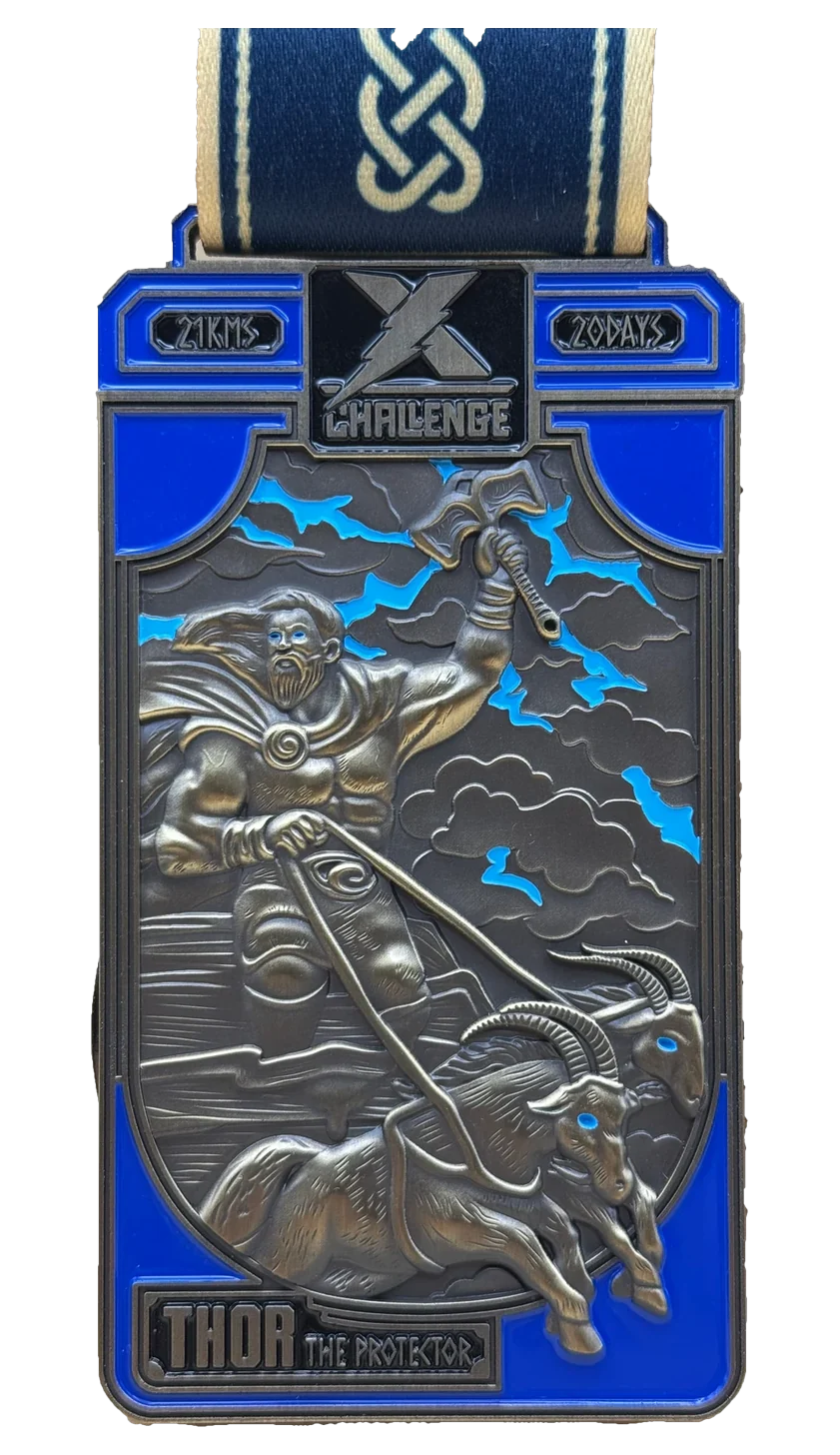
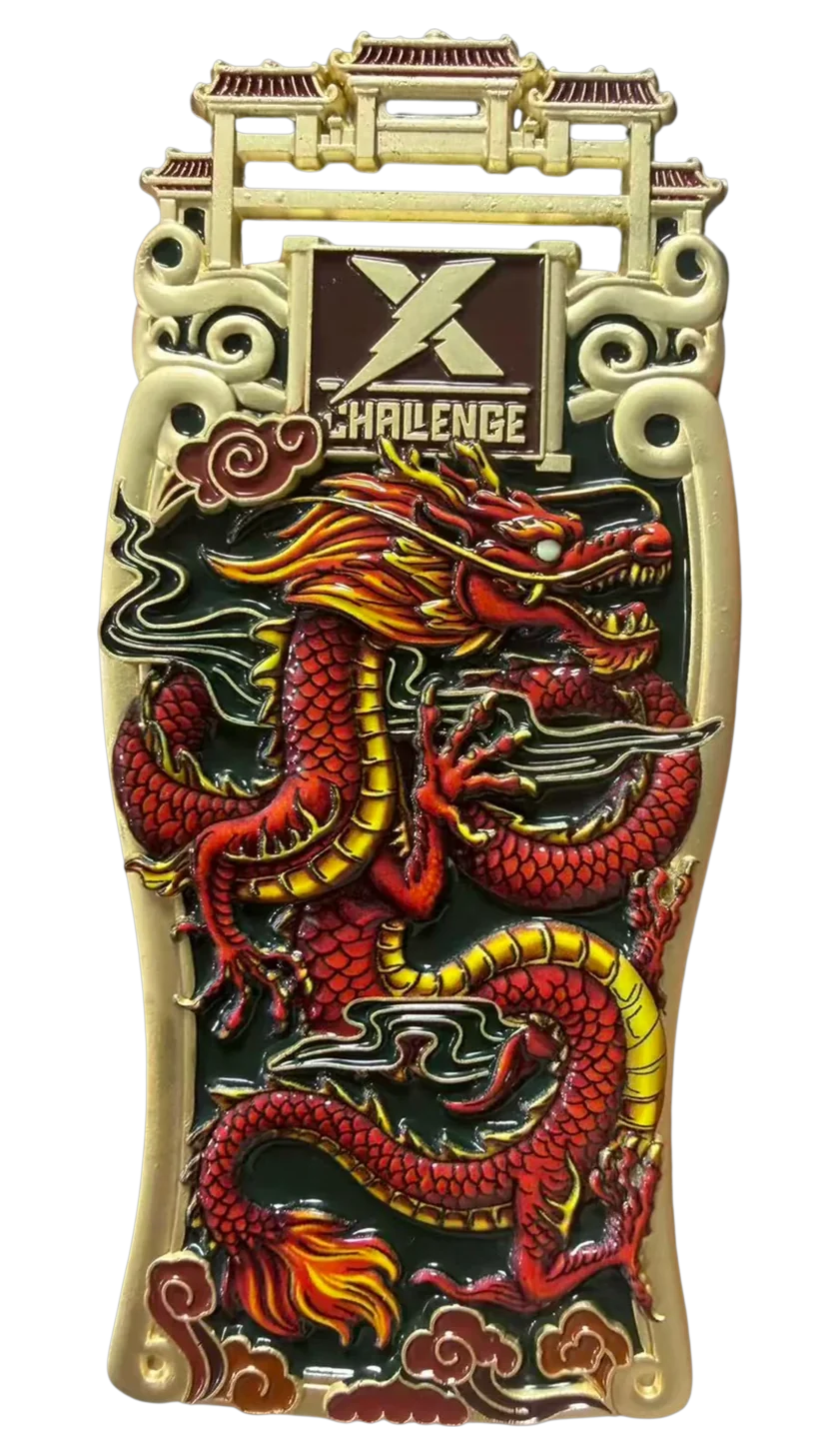
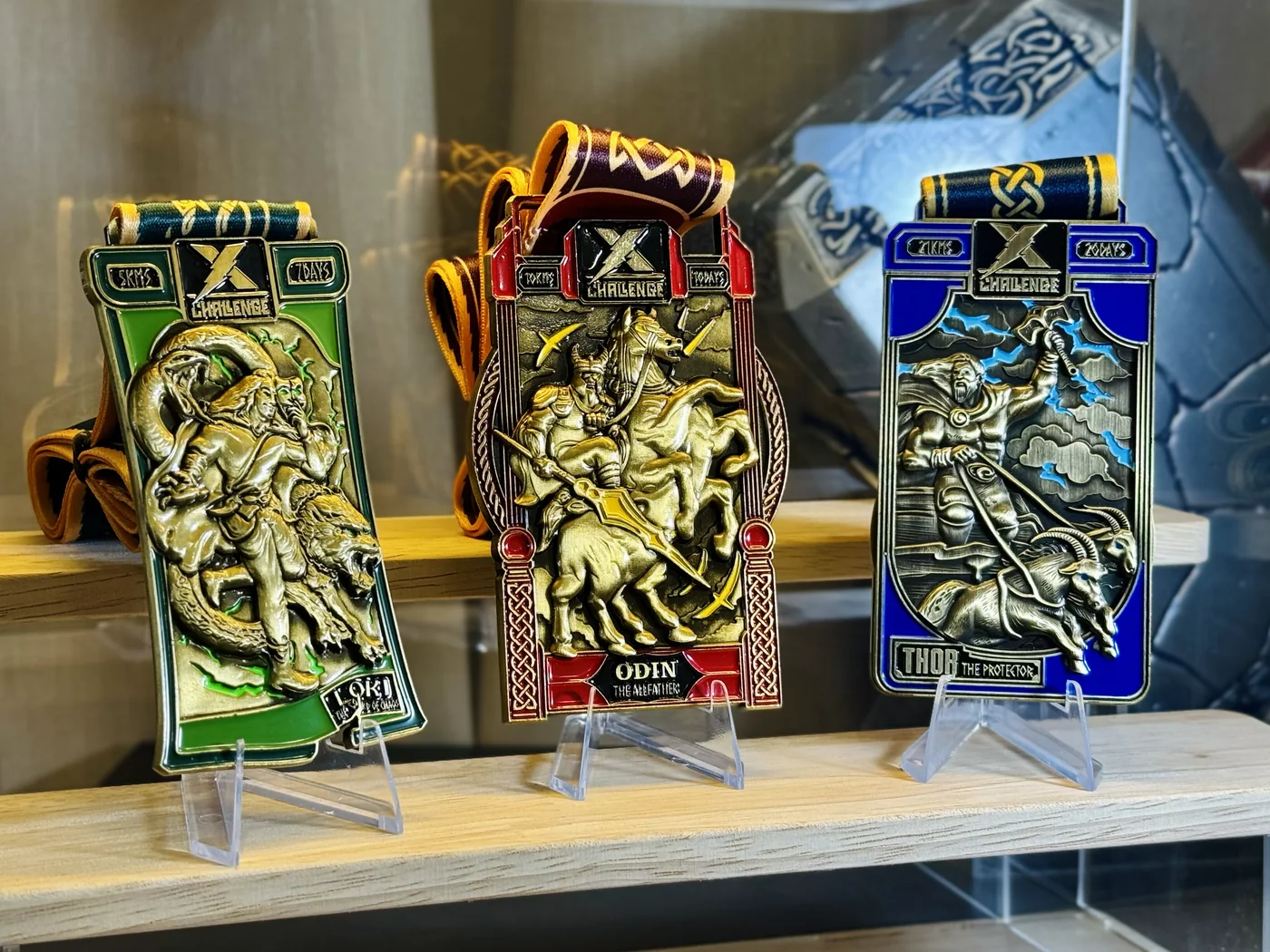
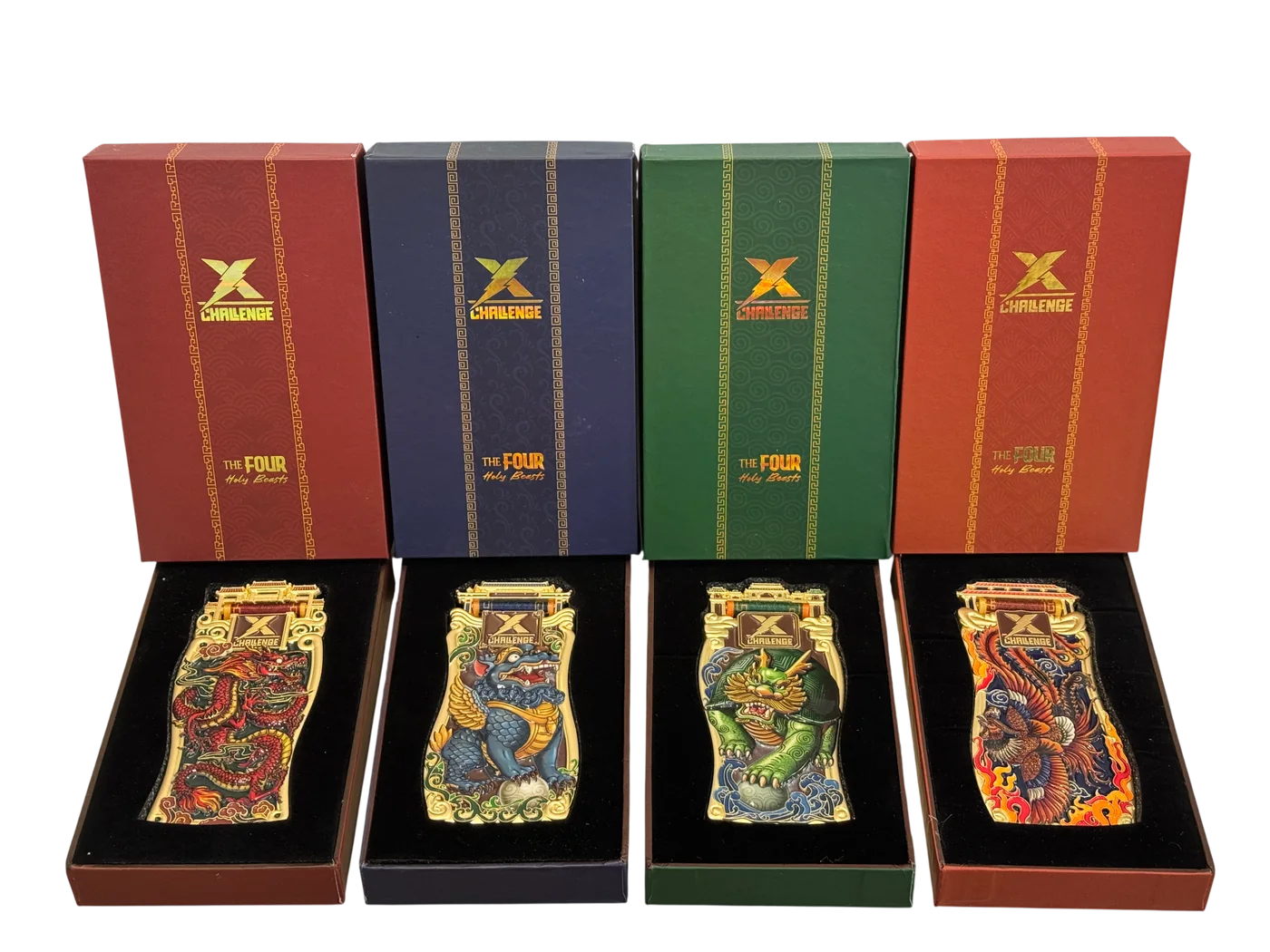
The Legends Of Asgard set runs from 5 km to 21 km, and The Four Holy Beasts runs up to 179 km. For what separates a good medal from a forgettable one, read what makes a good finisher medal.
Earning one today
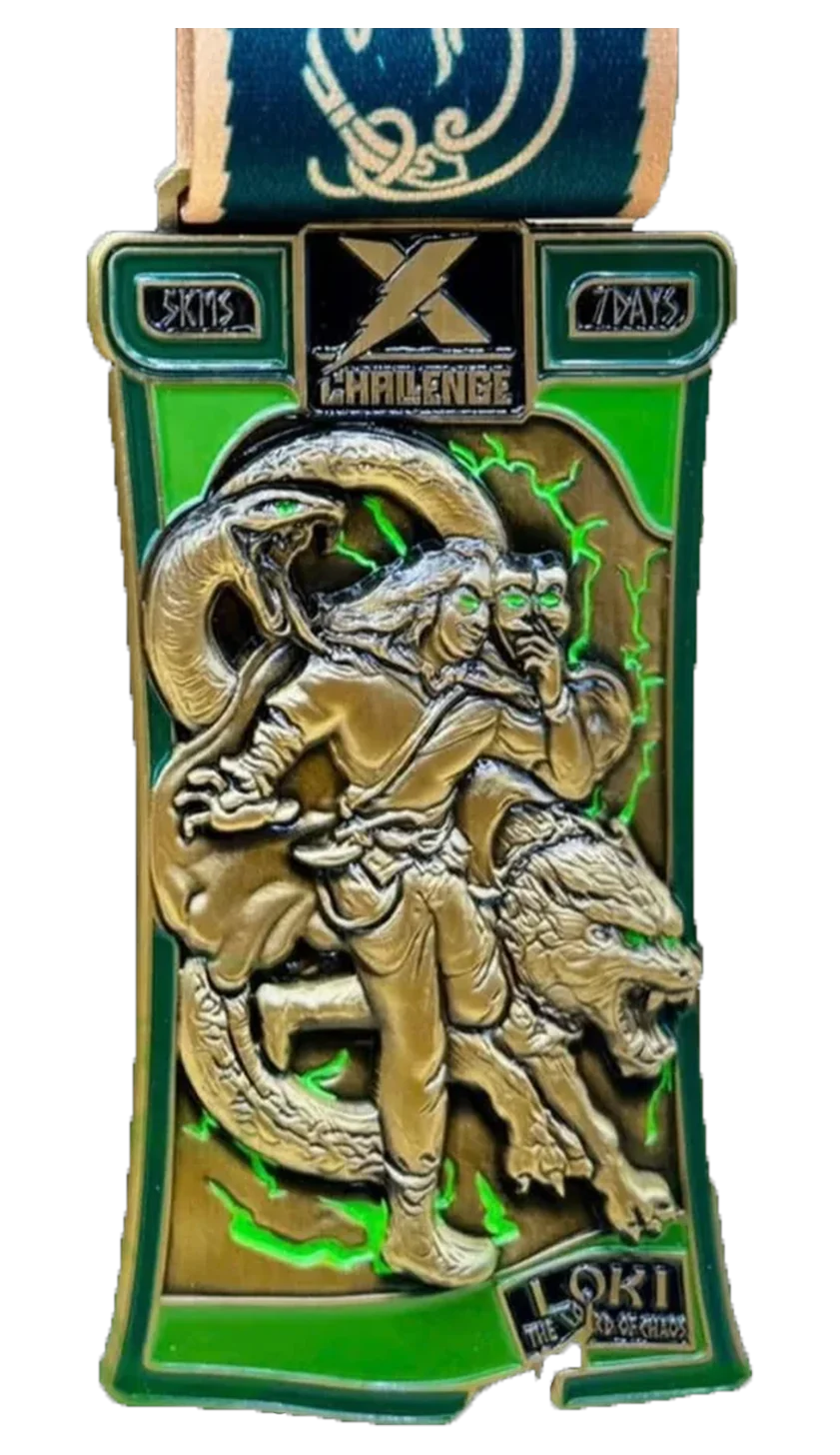
If you want your first finisher medal without a race day, pick a distance you can finish with a few weeks of steady effort. LOKI is 5 km (3.1 miles) in 7 days, and walking counts. ODIN is 10 km in 10 days. Both are a fair first step into a tradition that started with a handful of winners and now belongs to anyone who covers the distance.
Common questions
- Did ancient Olympians win medals? No. Winners received an olive wreath.
- When were the first Olympic gold medals awarded? Officially at the St. Louis Games in 1904. In 1896 winners received silver.
- When did marathons start giving medals to every finisher? It varies by race. The Boston Marathon’s first finisher medals were in 1983.
- Are virtual race medals real medals? The good ones are die-cast metal like any race medal. They are mailed once you log the distance.
- Why do finishers get medals now? Because for most people in a big race, finishing is the goal, and organisers mark it.
Sources
- Honouring the victors, The Ancient Olympics: bridging past and present, The Open University (OpenLearn): olive wreaths from a sacred tree, chosen for little material value, and free meals for victors.
- Olympic Medals, USOPC Archives: the 1896 medal, its designer and design, silver for winners and copper or bronze for runners-up, James Connolly, and gold first awarded in 1904.
- Ashworth Awards Marks 40 Years of Producing the Boston Marathon Finisher Medals, Running USA (April 20, 2022): Boston’s first finisher medals in 1983 for the first 300 finishers, and 30,000 in 2022.
Challenges from this guide
Or take the whole set
More: all guides · how it works · every challenge