
Running streaks: pros, cons and how to do one safely
Updated · 6 min read
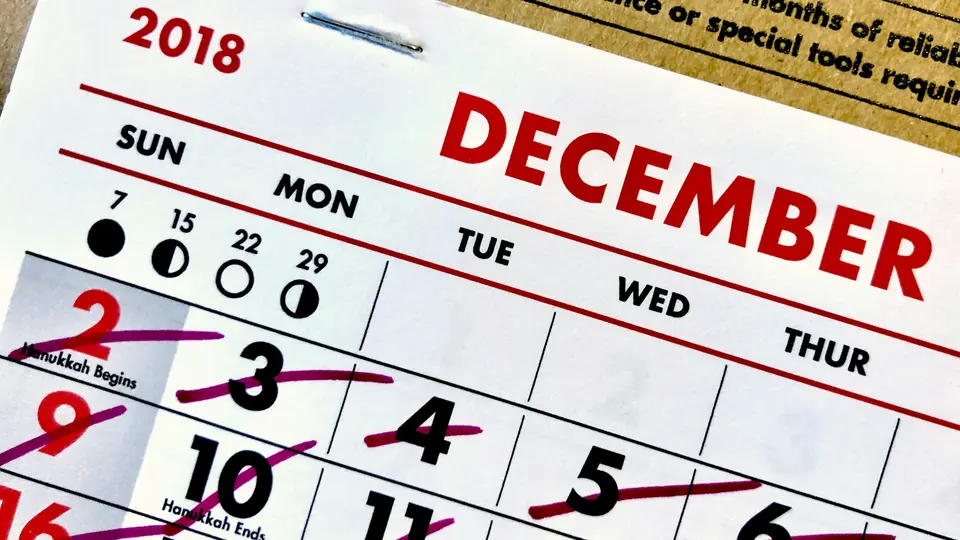
In short: A running streak means running every day. The definition used by Streak Runners International is at least one mile (1.61 km) within each calendar day. Streaks can make running automatic and remove the daily decision, but they leave no planned rest days, which makes recovery harder and can turn running into a chore. If you try one, keep most days short and easy, and decide in advance what ends the streak: pain, illness or exhaustion.
What a running streak is, and how long to go
Streak Runners International and the United States Running Streak Association define a streak as running at least one mile within each calendar day. Roads, tracks, trails and treadmills all count. To be listed on their streak rolls, a streak has to be at least a year old.
Most people who try a streak do something shorter and less formal. A holiday streak from Thanksgiving to New Year’s Day, a 30-day streak in spring, or a streak through a single challenge window. Some count walking. What matters is that you set the rules before you start.
A streak turns running into a count, and a count is hard to walk away from. Day 12 is a reason to run on day 13. The rule is also simple. You do not decide whether to run today, only when. For people who struggle with the daily choice, that can be a relief.
The same pull is the risk. The longer a streak gets, the more it feels like something you could lose, and that feeling can push you out of the door with a sore calf or a fever. A good streak plan uses the motivation and builds in the off switch.
| Length | Example | Suits |
|---|---|---|
| 7 days | One week of a mile a day | Testing the idea, or kick-starting a habit |
| 30 days | A month of daily runs or walk-runs | Runners already doing four or five days a week |
| Holiday streak | Thanksgiving to New Year’s Day | Keeping some running through a busy season |
| 100 days | A season-long streak | Experienced runners with no injury history |
| A year or more | The length needed to be listed by the streak associations | Very experienced streakers |
The pros and cons
| Pros | Cons |
|---|---|
| No daily decision: you just run | No planned rest days for your legs to recover |
| Builds a strong cue and routine | Easy to run through pain or illness to protect the streak |
| Short days fit busy schedules | Can crowd out cross-training and strength work |
| A visible count can motivate | Ending it can feel like failure and lead to quitting |
| Good fit for a short, defined period | Gets harder to sustain the longer it runs |
Who a streak suits, and who should skip it
A streak tends to suit runners who already run four or five days a week without aches, and who like rules and checklists. It suits people less if they are new to running, coming back from injury, prone to shin or Achilles problems, or prone to all-or-nothing thinking. For new runners, rest days are part of how your legs adapt. Three or four runs a week will build your habit with less risk.
Ask yourself one honest question before you start: if the streak ended tomorrow because of a sore foot, would you keep running or stop altogether? If the answer is stop, a streak is probably the wrong tool for you right now.
A walking streak is gentler on the legs than a running streak and still builds the daily cue. A brisk 15 to 20-minute walk every day adds up to well over the 150 minutes a week of moderate activity the CDC suggests for adults. If you set your own rules, you can let walking count on easy days and run on the others. That hybrid streak keeps the daily habit while giving your running legs time to recover.
Safer streak rules, with an example week
- Set a minimum, such as one mile, and make most days exactly that.
- Keep at least four days a week very easy. A mile at walking-plus pace counts.
- Only one or two longer runs a week. A streak is not an excuse to run hard every day.
- Rotate shoes and routes to vary the load on your legs.
- Keep strength work. The CDC suggests muscle-strengthening on two days a week for adults.
- Write your exit rules before day one: sharp or worsening pain, a fever, or feeling exhausted for several days ends the streak.
- Pick an end date. A 30-day or holiday streak is easier to finish well than an open-ended one.
| Day | Run | Effort |
|---|---|---|
| Monday | 1 mile | Very easy |
| Tuesday | 2 to 3 miles | Easy |
| Wednesday | 1 mile, then 10 minutes of strength work | Very easy |
| Thursday | 2 to 3 miles with a few short strides | Easy to moderate |
| Friday | 1 mile | Very easy |
| Saturday | Longer easy run, 4 to 6 miles | Easy |
| Sunday | 1 mile, or a mile walk-run with family | Very easy |
Alternatives that build the same habit
| Alternative | The rule | Why it works |
|---|---|---|
| Weekly streak | Three runs every week, for as many weeks as you can | Keeps rest days, still counts something |
| Active-day streak | Move for 20 minutes every day: run, walk, bike or swim | Daily cue without daily impact |
| Challenge window | Cover a set distance in a set number of days | A finish line, with flexible days |
| Monthly total | Hit a distance each month | Fits irregular schedules |
A challenge window gives you the focus of a streak with rest days built in. KYLIN is 88 km in 68 days, about 1.3 km a day on average, and you can skip days and make them up. ODIN at 10 km in 10 days works as a short version.
When and how to end a streak
- Pain that is sharp, gets worse as you run, or changes how you move.
- A fever, chest symptoms or anything that makes you feel unwell beyond a stuffy nose.
- Tiredness that lasts for days, or sleep that has gone wrong.
- Running has started to feel like a chore you resent.
- You are skipping other things you need, like sleep or time with family, to protect the count.
Every streak ends. What matters is that the habit outlives it. In a well-known habit study from University College London, a single missed day had little effect on how automatic a new behavior became. Your running habit does not reset to zero when the counter does. Plan a soft landing: finish on your chosen date, take one or two rest days, then switch to a weekly streak or a challenge window. If the streak ends early because of pain or illness, that is the rule doing its job.
Common questions
- Is running every day bad for you? Not for everyone, but rest days help most runners recover. Keep most streak days short and easy.
- Does a treadmill mile count? Under the streak associations’ definition, yes.
- Can a beginner do a streak? It is safer to build a habit with three or four runs a week first.
- What if I am sick on a streak day? Rest. See running when sick.
- Should I start a new streak straight away? Take a few rest days first, then decide whether a weekly streak suits you better.
Sources
Challenges from this guide



Or take the whole set


More: all guides · how it works · every challenge