
Caffeine before running: how much and when
Updated · 6 min read

In short: Caffeine can make running feel easier and help you go a little faster. Studies use about 3 to 6 milligrams per kilogram of body weight, usually taken about an hour before exercise, and benefits may start as low as 2 mg/kg. For a 150-pound runner, 2 to 3 mg/kg is roughly one 12-ounce cup of brewed coffee. More is not better: high doses bring jitters, a racing heart and upset stomachs. Try it in training, and skip it if you are sensitive.
What caffeine does for runners
The International Society of Sports Nutrition reviewed the research in 2021. Its position stand says caffeine has consistently improved exercise performance at 3 to 6 milligrams per kilogram of body weight. Most people notice it as a lower sense of effort. The same pace feels a bit easier.
It is not magic. A good night of sleep and a sensible pace matter more. Think of caffeine as a small extra for long runs and races.
How much, worked out
| Body weight | 2 mg/kg | 3 mg/kg | 6 mg/kg |
|---|---|---|---|
| 120 lb (54 kg) | About 110 mg | About 165 mg | About 325 mg |
| 150 lb (68 kg) | About 135 mg | About 205 mg | About 410 mg |
| 180 lb (82 kg) | About 165 mg | About 245 mg | About 490 mg |
Start at the low end. The position stand says the smallest helpful dose may be as low as 2 mg/kg, and that very high doses, around 9 mg/kg, bring many side effects without extra benefit. The top of the range can exceed the FDA’s everyday figure for healthy adults, which is 400 milligrams a day, so for most recreational runners the low end is the sensible place to stay.
How much is in what you drink
| Source | Caffeine |
|---|---|
| 12 oz brewed coffee | 113–247 mg (FDA figure; varies by brew) |
| Caffeinated energy gel | Often 20–100 mg; check the label |
| Caffeinated gum or chews | Check the label; doses vary |
| Pure caffeine powder | Avoid: a tiny scoop can be a dangerous dose |
Coffee is the hardest to dose because the amount per cup varies so much. A gel or chew with the dose printed on the packet is more predictable. The FDA warns that pure powdered caffeine is dangerous, because less than half a teaspoon can cause toxic effects.
When to take it
- Coffee or a caffeine tablet: about 60 minutes before you start, the most common timing in studies.
- Gum: shorter, because it is absorbed through the mouth. The position stand says it may need less waiting time.
- During a long run: a caffeinated gel late in the run, when you start to feel flat.
- Evening runs: think twice. Caffeine can keep you awake, and sleep matters more for recovery.
Caffeinated gels
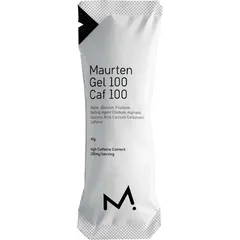
Maurten Gel 100 Caf 100, 12 pack
12 gels; 25 g carbs and 100 mg caffeine each
List price at maurten.com, checked Nov 6, 2026 · Photo: maurten.com
$52Brand site
Prices are list prices at the brand’s own store, or the retailer named under each product, on the day checked. They change, and sales are common.
One gel with 100 mg is about 1.5 mg/kg for a 150-pound runner. Count any caffeine gel on top of your morning coffee.
Side effects and who should skip it
The FDA lists the effects of too much caffeine: a fast heart rate, palpitations, anxiety, jitters, upset stomach, nausea, headache and trouble sleeping. Runners also notice a sudden need for the bathroom. If coffee sends you running for a toilet, drink it earlier or try a smaller dose.
Skip it or ask your doctor first if you are pregnant, have a heart rhythm problem or high blood pressure, take medicines that interact with caffeine, or get anxious easily. Teenagers should ask a doctor before using caffeine for sport.
Common mistakes
- Trying caffeine for the first time on race day. Test it on two or three long runs.
- Stacking a big coffee, a pre-workout drink and caffeinated gels.
- Taking caffeine late in an evening run and then sleeping badly.
- Using it to cover up poor sleep for weeks.
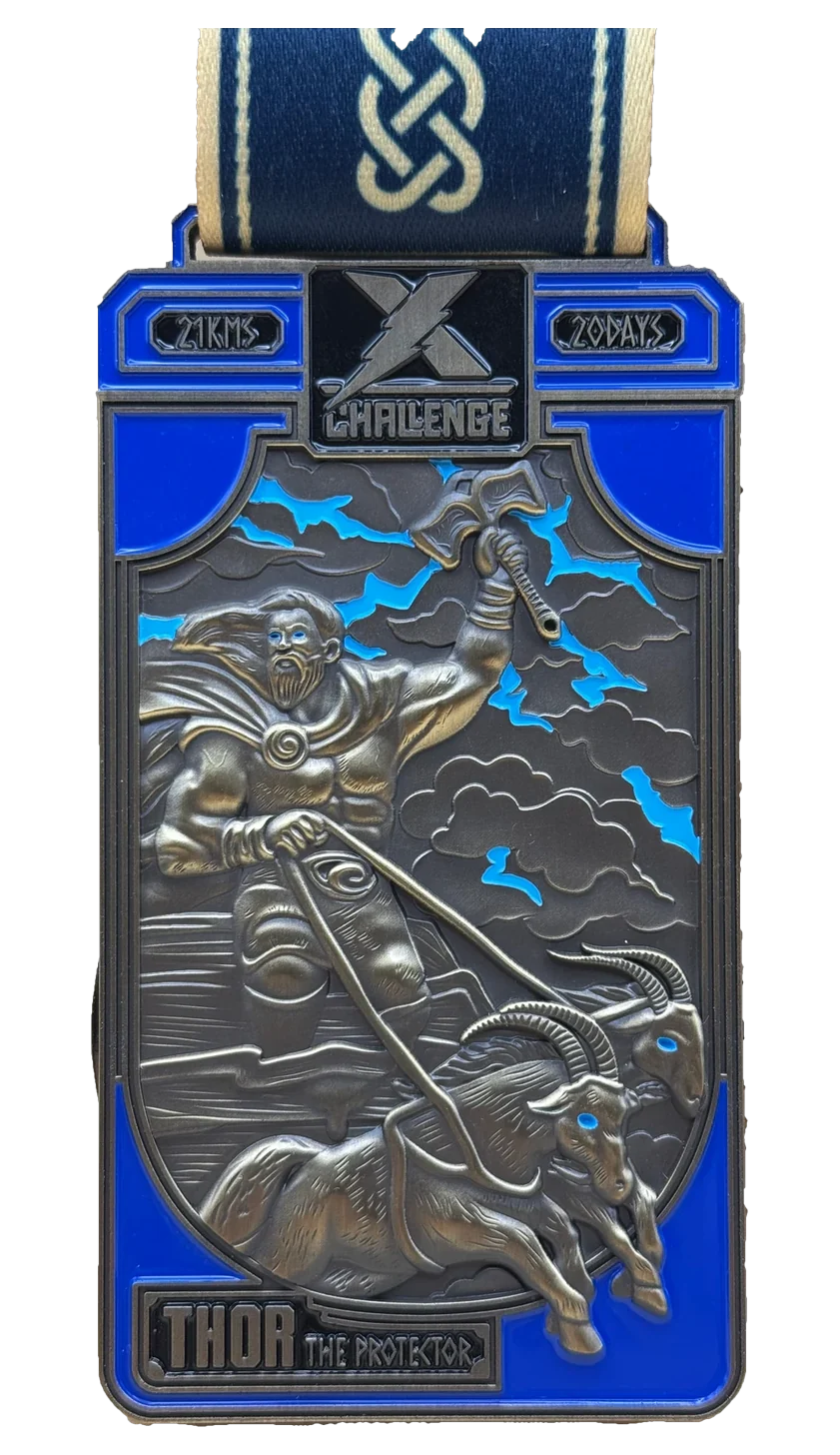
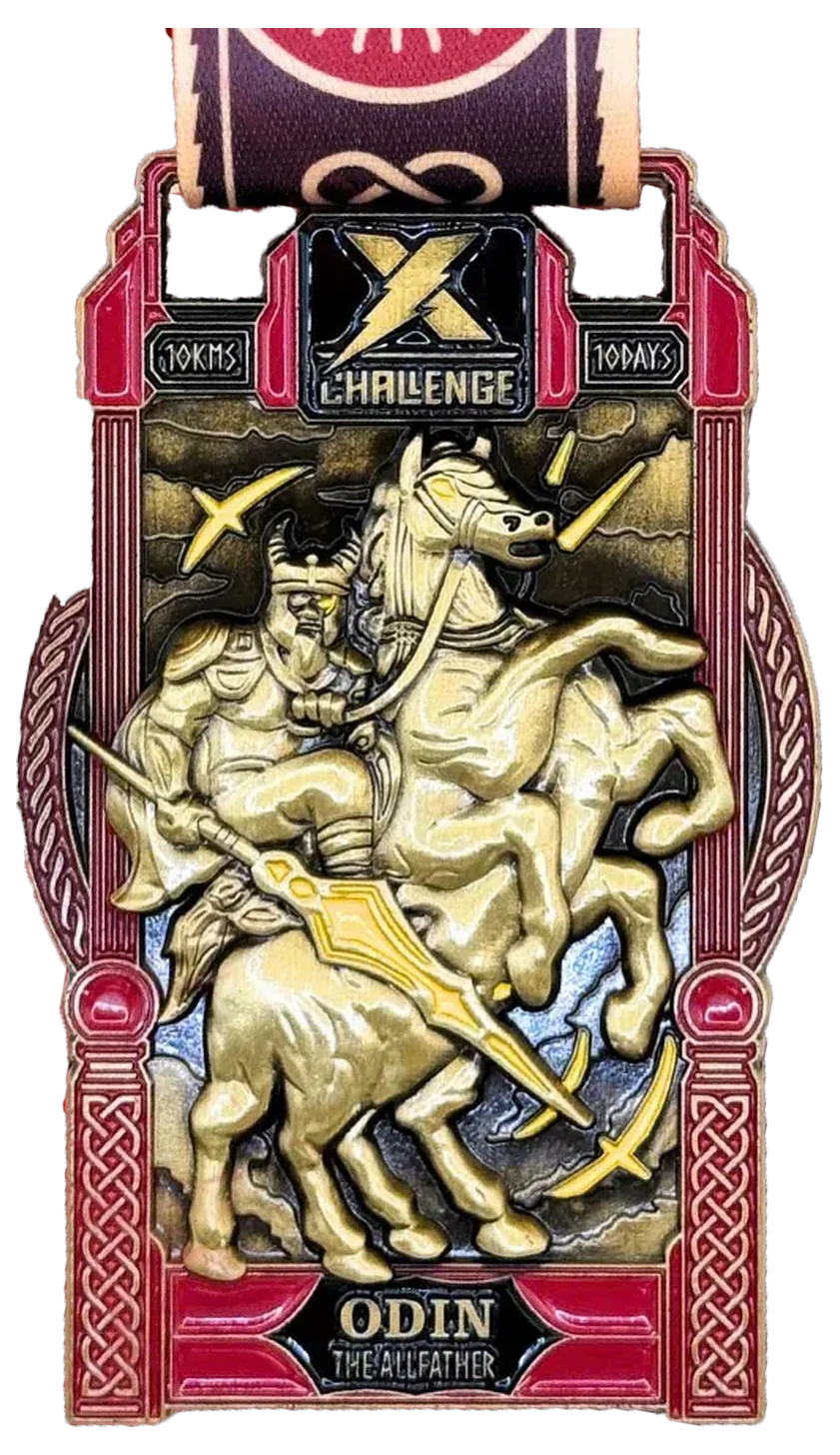
For a short daily run toward LOKI or ODIN, your usual coffee is plenty. Save a measured dose for a longer effort, like the full distance of THOR in one go.
Test it in training
- Week 1: on a long run, drink your usual coffee 60 minutes before. Note how you feel.
- Week 2: try a measured dose near 2 to 3 mg/kg, from coffee or a labeled product.
- Week 3: if you plan to use a caffeinated gel, take one late in a long run.
- Week 4: repeat whatever worked best, with the same timing as race day.
Write down the dose, the time and how your stomach, heart rate and sleep felt. If you notice no difference, you do not need it.
Morning routines that work
| Routine | Timing |
|---|---|
| Coffee with a banana or toast | Drink about an hour before; leave time for the bathroom |
| Small coffee only | 45 to 60 minutes before an easy run |
| No coffee, caffeinated gel instead | Take it late in a long run |
| No caffeine at all | Perfectly fine; most runs do not need it |
If you run in the afternoon, the same rules apply. Take caffeine about an hour before, keep the dose modest, and stop by mid-afternoon if you are sensitive, so it does not cut into your sleep.
Coffee, breakfast and the bathroom
Tea, cola and energy drinks count toward your daily caffeine too. Check labels on energy drinks and pre-workout powders, which can have much more than a cup of coffee.
Coffee gets your gut moving, which is one reason many runners like it in the morning. Drink it early enough to use the bathroom before you leave. If you run from home, a short loop past your door in the first mile is a useful backup. If coffee and breakfast together upset you, try coffee first and a small snack 30 minutes later.
Common questions
- How long does caffeine last? Effects can last several hours, which is why a late-afternoon dose can disturb sleep. Keep caffeine away from bedtime.
- Does coffee dehydrate you before a run? The joint sports nutrition position paper says the old warnings are overstated for moderate amounts in regular coffee drinkers.
- Should I cut caffeine before a race to get more effect? Some runners do. It is not needed, and the headaches can spoil race week.
- Is decaf useless? It has very little caffeine, so it will not give the same effect.
- Can I take caffeine before a morning run on an empty stomach? Many people can. If it upsets your stomach, have it with a small snack.
See also what to eat before a run. This is general information for healthy adults. If you have diabetes, heart or kidney disease, are pregnant, or follow a diet set by a doctor, ask your doctor or a registered dietitian first.
Sources
- International Society of Sports Nutrition position stand: caffeine and exercise performance (2021): effective doses, low doses, timing, side effects at high doses, gum and gels.
- FDA, Spilling the beans: how much caffeine is too much?: 400 mg a day for healthy adults, caffeine in coffee, side effects, powdered caffeine.
- Nutrition and Athletic Performance, joint position of Dietitians of Canada, the Academy of Nutrition and Dietetics and the American College of Sports Medicine (2016): caffeine and fluid balance.
Challenges from this guide
Or take the whole set

More: all guides · how it works · every challenge