Electrolytes for running: when you need them
Updated · 6 min read
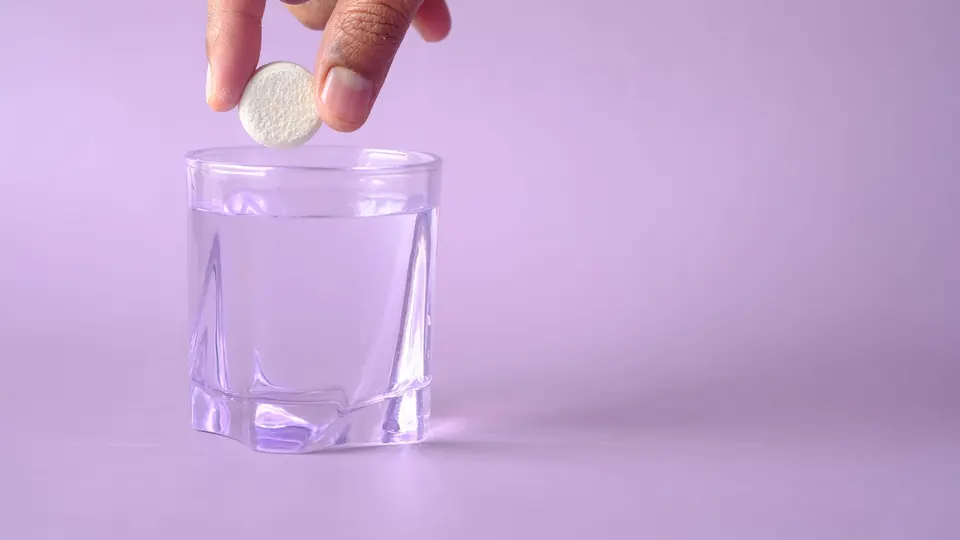
In short: Electrolyte drinks replace the sodium and other minerals you lose in sweat. For runs under an hour, water is usually enough. Electrolytes help on runs over an hour, in heat and humidity, or if you see white salt marks on your shirt after running. They come as dissolving tablets, powder sticks you mix, and ready-to-drink bottles. Below are a few common options with their list prices.
What electrolytes are
Electrolytes are minerals that carry an electric charge in your body: sodium, potassium, chloride, magnesium and calcium. Sweat is mostly water, but it also carries salt. The joint sports nutrition position paper says sweat contains substantial but variable amounts of sodium, with smaller amounts of potassium, calcium and magnesium. Sodium is the one that matters most for runners.
How much you lose depends on how much you sweat and how salty your sweat is. Both vary a lot between people. That is why two runners on the same route can need very different drinks.
When you need them
| Situation | Drink |
|---|---|
| Under 60 minutes, cool weather | Water |
| Under 60 minutes, hot and sweaty | Water; electrolytes after the run if you like |
| Over 60 minutes | Water and electrolytes, to thirst |
| Over 90 minutes | Electrolytes plus carbohydrate, such as a gel or sports drink |
| Over 2 hours, heavy or salty sweater | Plan sodium during the run, and practice it in training |
The position paper names three cases for taking sodium during exercise: high sweat rates (over about 1.2 liters, or 40 ounces, an hour), salty sweat, and exercise lasting more than two hours. If none of those fit you, water and normal meals cover it.
Signs you are a salty sweater
- White, crusty lines on your hat, shirt or shorts after a run.
- Sweat that stings your eyes or tastes very salty.
- Craving salty food after long runs.
- Feeling flat on long, hot runs even though you drank enough water.
Tablets, powders and ready-to-drink
| Type | Good for | Watch out for |
|---|---|---|
| Dissolving tablets | Light to carry, low sugar, easy to drop in a bottle | Little or no carbohydrate for long runs |
| Powder sticks | Higher doses, some with carbs for fuel | Mix to the label; too strong upsets the stomach |
| Ready-to-drink sports drinks | Convenient; carbs and sodium together | Sugar you do not need on short runs |
| Salty food | Pretzels, broth, a salted potato on long runs | Harder to eat at a fast pace |
A few common options

Nuun Sport, tube of 10
10 tablets; 300 mg sodium, 15 calories, 1 g sugar each
List price at nuunlife.com, checked Nov 6, 2026

GU Hydration Drink Tabs, 4 tubes
4 tubes; sodium and potassium, low sugar
List price at guenergy.com, checked Nov 6, 2026

Liquid I.V. Hydration Multiplier, 16 sticks
16 sticks; with sugar
List price at liquid-iv.com, checked Nov 6, 2026
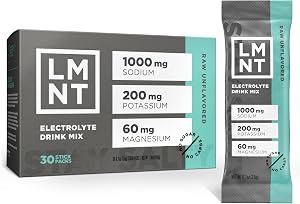
LMNT Zero-Sugar Electrolytes, 30 sticks
30 sticks; 1,000 mg sodium, 200 mg potassium, 60 mg magnesium; no sugar
List price at drinklmnt.com, checked Nov 6, 2026
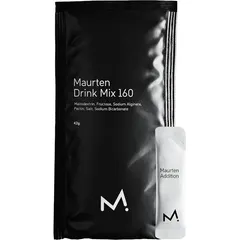
Maurten Drink Mix 160, 18 servings
18 servings; 40 g carbs per 500 ml
List price at maurten.com, checked Nov 6, 2026 · Photo: maurten.com
$45Brand site
Prices are the brand’s list price on the day checked. Some links are affiliate links: as an Amazon Associate, X Challenge earns from qualifying purchases, at no extra cost to you.
Prices are list prices at the brand’s own store, or the retailer named under each product, on the day checked. They change, and sales are common.
The notes under each product show what sets them apart. A low-sodium tablet suits most runs. A high-sodium stick suits long, hot runs and heavy sweaters. A drink mix with carbohydrate doubles as fuel on runs over 90 minutes.
Electrolytes do not make over-drinking safe
MedlinePlus advises people who exercise hard to drink fluids with electrolytes, such as sports drinks, to help keep blood sodium in a healthy range. That helps, but it has a limit. A 2019 review in Medicina says that sodium cannot prevent low blood sodium when someone drinks far more than they sweat. Drink to thirst, with or without electrolytes.
Signs of low blood sodium include headache, nausea, vomiting, muscle cramps, fatigue and confusion. Get medical help if they appear during or after a long run.
Tips
- Mix with the amount of water on the label. Too strong can upset your stomach.
- Try it on a short training run before a long one.
- Sports drinks carry sugar, which you do not need on a short easy run.
- High-sodium mixes suit long, hot runs, not every day at a desk.
- Cramps have more than one cause, so do not count on salt alone to stop them.
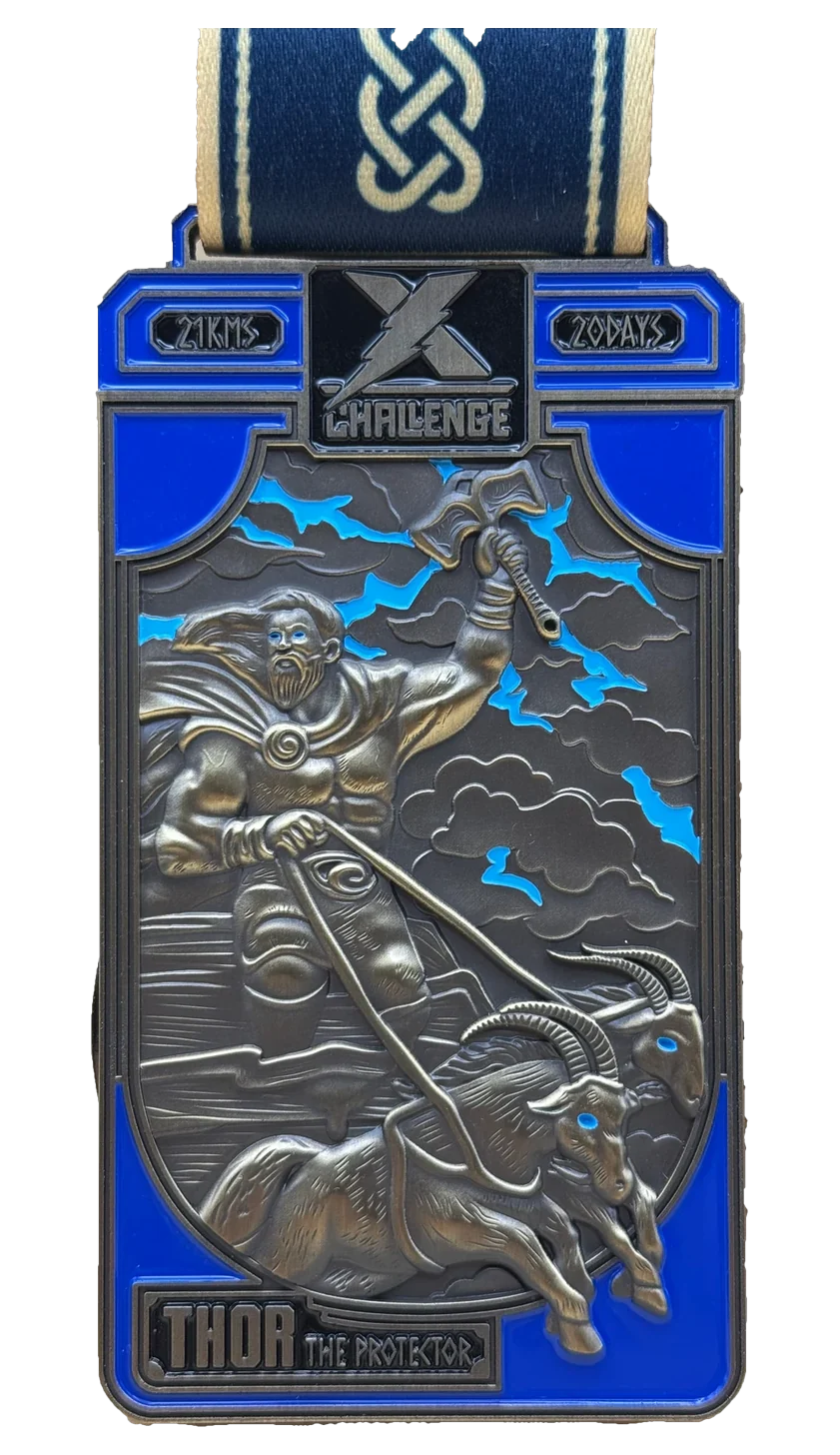
See also how much water to drink and energy gels. On a long single run toward THOR, electrolytes matter more. On the short daily runs most people use for X Challenge, water is enough.
A simple plan by run length
- Under an hour: water, and your normal meals cover sodium.
- One to two hours in mild weather: water, plus a tablet in your bottle if you sweat a lot.
- One to two hours in heat: a bottle with electrolytes, and salty food after.
- Over two hours: a planned mix of fluid, sodium and carbohydrate, practiced in training.
- After any long, sweaty run: a salty meal, like soup, a sandwich or rice with soy sauce.
How to read the label
- Sodium per serving: the main number. Low-sodium tablets suit most runs; high-sodium mixes suit heavy, salty sweaters.
- Sugar or carbohydrate: useful on long runs, unneeded on short ones.
- Serving size and water: mix to the volume on the label.
- Caffeine: some flavors have it. Check if you run in the evening.
- Third-party testing: matters if you compete in tested sport.
Price per serving varies a lot between brands. Divide the list price by the number of servings to compare like with like, and remember you only need these on long or hot runs.
Electrolytes from food
A cup of broth with crackers after a long summer run gives you water, salt and some carbohydrate at once. Many runners find it easier on the stomach than a sweet drink.
Normal meals give you plenty of sodium and potassium on most days. After a long, sweaty run, salty food does the same job as a drink mix.
- Sodium: soup or broth, pretzels, salted crackers, pickles, cheese, a sandwich.
- Potassium: bananas, potatoes, oranges, yogurt, beans.
- Magnesium: nuts, seeds, whole grains, leafy greens.
Common questions
- Are electrolyte drinks useful when I am sick? That is a different question from running. Ask your doctor or pharmacist about vomiting or diarrhea.
- Should I drink electrolytes every day? Not for most people. A normal diet has plenty of sodium. Save them for long or hot sessions.
- Is coconut water an electrolyte drink? It has potassium but less sodium than most sports drinks, so it is weaker for long, salty runs.
- Can I make my own? Many runners mix water, a little juice and a pinch of salt. Keep the salt small and test it in training.
- Do walkers need them? Rarely, unless you walk for hours in heat.
This is general information for healthy adults. If you have diabetes, heart or kidney disease, are pregnant, or follow a diet set by a doctor, ask your doctor or a registered dietitian first.
Sources
- Nutrition and Athletic Performance, joint position of Dietitians of Canada, the Academy of Nutrition and Dietetics and the American College of Sports Medicine (2016): what sweat contains, when to take sodium during exercise.
- MedlinePlus, Low blood sodium: sports drinks for hard exercise, symptoms of low blood sodium.
- Knechtle and others, Exercise-associated hyponatremia in endurance and ultra-endurance performance, Medicina (2019): sodium does not prevent hyponatremia with over-drinking.
Challenges from this guide
Or take the whole set

More: all guides · how it works · every challenge