
Energy gels for running: do you need them?
Updated · 6 min read

In short: Energy gels are small packets of quick carbohydrate that are easy to take while running. For runs under about 75 to 90 minutes, most people do not need them. On longer runs, many runners take one every 30 to 45 minutes with a few sips of water. Practice with gels in training first, because your stomach needs to get used to them.
What a gel does
Your muscles store a limited amount of carbohydrate. On a long run you start to run low, and your pace drops or the effort feels much harder. A gel puts 20 to 40 grams of fast carbohydrate into your blood without a full stomach. Some add sodium or caffeine.
When they help
| Run length | Suggestion |
|---|---|
| Under 75 minutes | Usually none; eat well before |
| 75–120 minutes | 1–2 gels, the first after about 45 minutes |
| Over 2 hours | About one every 30–45 minutes, with water and electrolytes |
These match the joint sports nutrition position paper. It suggests no carbohydrate for sessions under 45 minutes, small amounts for 45 to 75 minutes, 30 to 60 grams an hour for 1 to 2.5 hours, and up to 90 grams an hour beyond 2.5 to 3 hours. At the top end, the paper and Asker Jeukendrup’s 2014 review both say the carbohydrate should come from a mix of sources, like glucose and fructose, which the gut absorbs by different routes.
How many gels, worked out
| Finish time | Carbs per hour | Plan with 22–25 g gels |
|---|---|---|
| 1:45 half marathon | About 30–60 g | One gel at about 40 minutes, a second at 75 if you want it |
| 2:15 half marathon | About 30–60 g | Gels at about 40, 80 and 115 minutes, or two plus a sports drink |
| 3-hour long run | Up to 60 g, more if trained | One gel every 30–40 minutes, with water and electrolytes |
A standard gel has 20 to 25 grams of carbohydrate, so one gel every 30 to 45 minutes gives you about 30 to 50 grams an hour. A larger gel with around 40 grams halves the number of packets. Check the label, since sizes vary by brand.
Common gels

GU Energy Gel, box of 8
8 gels; about 100 calories and 22 g carbs each
List price at guenergy.com, checked Nov 6, 2026

GU Roctane Energy Gel, box of 24
24 gels; more sodium than the Original, per GU
List price at guenergy.com, checked Nov 6, 2026

GU Energy Chews, 12 bags
12 bags; with sodium
List price at guenergy.com, checked Nov 6, 2026
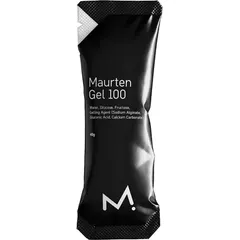
Maurten Gel 100, 12 pack
12 gels; 25 g carbs, about 100 kcal each; caffeine-free
List price at maurten.com, checked Nov 6, 2026 · Photo: maurten.com
$45Brand site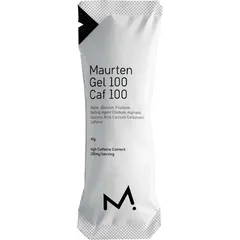
Maurten Gel 100 Caf 100, 12 pack
12 gels; 25 g carbs and 100 mg caffeine each
List price at maurten.com, checked Nov 6, 2026 · Photo: maurten.com
$52Brand site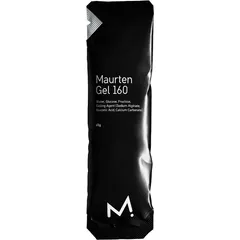
Maurten Gel 160, 12 pack
12 gels; 40 g carbs each
List price at maurten.com, checked Nov 6, 2026 · Photo: maurten.com
$55Brand site
Prices are the brand’s list price on the day checked. Some links are affiliate links: as an Amazon Associate, X Challenge earns from qualifying purchases, at no extra cost to you.
Prices are list prices at the brand’s own store, or the retailer named under each product, on the day checked. They change, and sales are common.
Avoiding stomach trouble
- Take a few sips of water with each gel, unless it says it needs none.
- Do not take a gel with a strong sports drink. Too much sugar at once can upset your stomach.
- Start early, before you feel hungry or flat.
- Try one flavor and brand at a time in training.
- Skip gels on walks and short easy runs.
- Mind the caffeine in some gels, and do not stack it with a big coffee.
Your gut can learn. Jeukendrup’s 2017 review on training the gut says the digestive system adapts, and that runners should practice their race fueling in training. Take gels on your long runs for a few weeks before the day that counts.
Gels and X Challenge
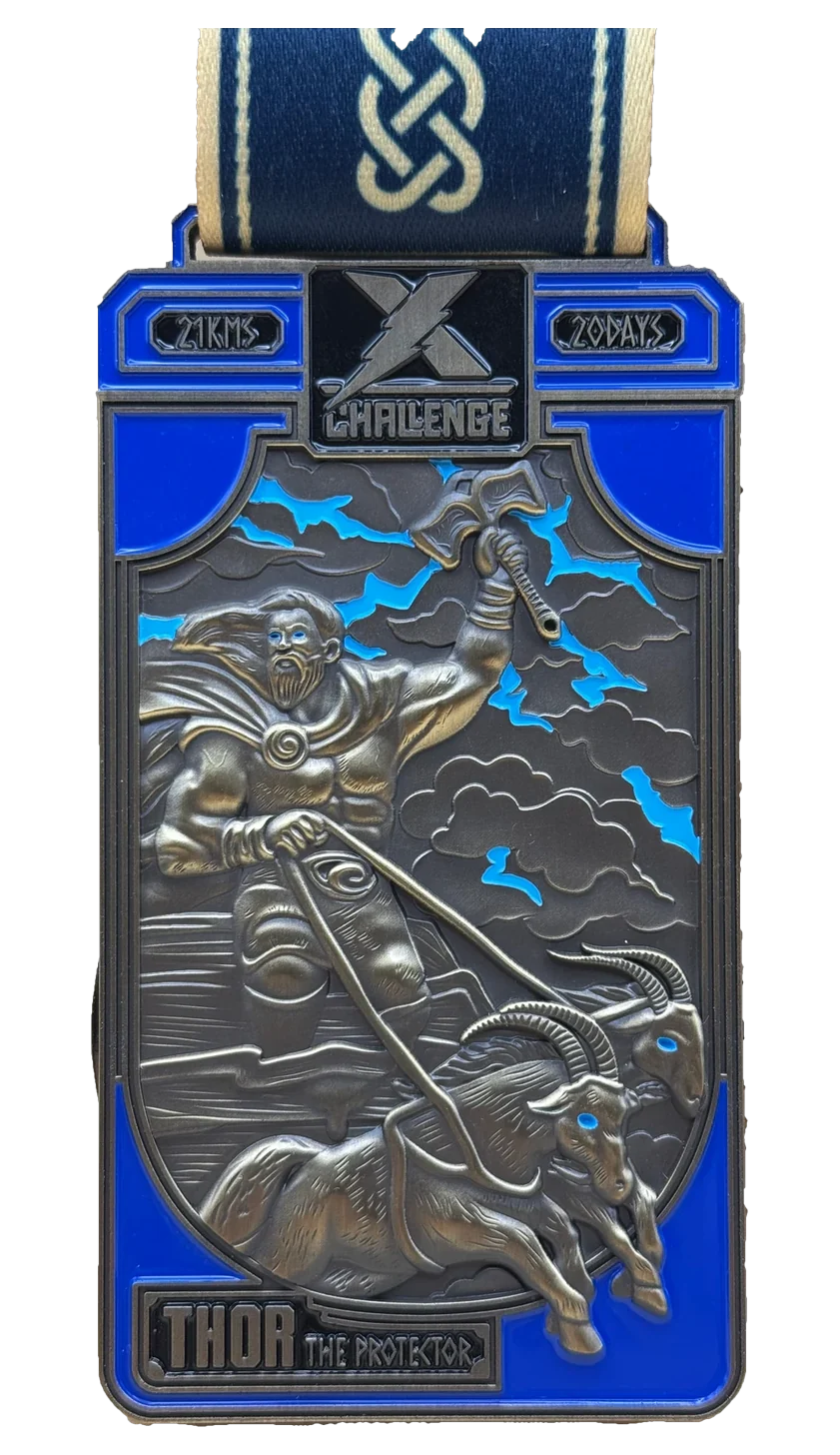
X Challenge challenges add up over many days, so most people finish without gels. THOR asks for 13 miles (21 km) within 20 days, about 0.7 miles a day if you spread it evenly. Gels help if you want to cover a long distance in one go, such as the full half marathon. For other ways to fuel, see energy chews vs gels vs real food.
How to take a gel on the run
- Tear the top off before you need it, or pick gels with an easy-open tab.
- Slow down for 20 seconds if you are breathing hard.
- Squeeze it in over a few small mouthfuls.
- Wash it down with a few sips of water.
- Keep the empty packet until you find a trash can.
Gels or a sports drink?
A sports drink gives you fluid, carbohydrate and sodium in one bottle. Gels pack more carbohydrate in less space. On a hot run, a sports drink may cover most of what you need. On a cool run, or at a race with water only, gels are easier. Many runners combine them: a drink for the first hour, then gels with water.
Check what the race hands out before race day. If the course offers a particular sports drink, try it on a long run so it is not a surprise at mile 8.
A four-week practice plan
| Week | Long run | Gels |
|---|---|---|
| 1 | 75–90 minutes | One gel at about 45 minutes |
| 2 | 90 minutes | Two gels, about 40 minutes apart |
| 3 | 1:45–2 hours | Your race plan, at race-day timing |
| 4 | Shorter, easy | The exact brand and flavor you will race with |
Who does not need gels
If you do use them, store a couple in your car or bag for the day a long run goes longer than planned.
If your runs are under an hour, gels add sugar and cost without much benefit. The same goes for walks, most treadmill sessions, and easy runs where you can chat. A good meal two to three hours before covers you. Gels earn their place on long runs, half marathons and longer races.
Common mistakes
- Waiting until you feel empty. By then it is late; start at about 40 to 45 minutes.
- Taking two gels at once to catch up. Spread them out.
- Skipping water with a standard gel.
- Forgetting how many you carried. Pack one more than your plan.
Common questions
- How many gels for a marathon? Many runners use six to eight over the race, about one every 30 to 40 minutes, but test your own plan on long runs first.
- Do gels go bad? They have a best-by date on the packet. Old gels are usually safe but can taste off.
- Can I take a gel before a run? Yes. Some runners take one 10 to 15 minutes before the start of a race.
- What if I hate the texture? Try chews, a sports drink, or real food like a banana.
- Caffeine gel or not? Try it in training. See caffeine before running.
This is general information for healthy adults. If you have diabetes, heart or kidney disease, are pregnant, or follow a diet set by a doctor, ask your doctor or a registered dietitian first.
Sources
- Nutrition and Athletic Performance, joint position of Dietitians of Canada, the Academy of Nutrition and Dietetics and the American College of Sports Medicine (2016): carbohydrate during exercise, by duration.
- Jeukendrup, A step towards personalized sports nutrition: carbohydrate intake during exercise, Sports Medicine (2014): up to 60 grams an hour from one source, higher intakes from mixed sugars, practicing in training.
- Jeukendrup, Training the gut for athletes, Sports Medicine (2017): the gut adapts with practice.
Challenges from this guide
Or take the whole set

More: all guides · how it works · every challenge