
Running to lose weight: what to eat
Updated · 6 min read

In short: To lose weight while running, aim for a small, steady calorie gap rather than a big one, eat enough protein, and still eat carbohydrate around your runs so you have energy. Running burns roughly 100 to 135 calories per mile for most adults, but it also makes you hungrier, so food choices matter more than miles. Cutting food hard while adding a lot of running tends to leave you tired, sore and more likely to quit or get hurt.
How many calories running burns
| Activity | 125 lb | 155 lb | 185 lb |
|---|---|---|---|
| Walking, 3.5 mph | 107 | 133 | 159 |
| Running, 5 mph (12-minute miles) | 240 | 288 | 336 |
Those numbers work out to roughly 100 to 135 calories a mile running, more if you weigh more. A 155-pound runner doing three 30-minute runs a week burns about 900 calories. That is real, but one large restaurant dessert can cover a third of it. Running helps most when food stays steady.
What works
- A modest gap: eat a little less than you burn, not as little as possible.
- Protein at every meal: eggs, fish, chicken, beans, Greek yogurt, tofu.
- Vegetables and fruit for volume, so you feel full on fewer calories.
- Carbs around runs, a little before and with the meal after.
- Water instead of sweetened drinks; sports drinks only for long runs.
- Regular meal times, so you do not arrive at dinner starving.
Slow and steady wins
The CDC says people who lose weight gradually, about 1 to 2 pounds a week, are more likely to keep it off than people who lose it fast. The joint sports nutrition position paper reports something similar for performance: in the studies it reviewed, slower weight loss was better for athletes than faster loss.
Eating too little for your training has costs. The position paper describes low energy availability, where food does not cover both exercise and normal body functions. Over time it can affect hormones, bone health, and in women, periods. Missing periods, constant fatigue, frequent illness or injuries that will not heal are reasons to eat more and talk to a doctor.
Protein helps when eating less
The position paper notes that when you eat less to lose weight, you need more protein to keep muscle. Aim for a palm-sized portion at each meal. For a 180-pound runner, that might be eggs at breakfast, a chicken or bean salad at lunch, fish or tofu at dinner, and Greek yogurt as a snack. See protein for runners for amounts.
Common mistakes
| Mistake | Instead |
|---|---|
| Rewarding every run with a treat | Plan a normal snack after long runs only |
| Skipping meals before running | A small snack keeps the run good |
| Doubling distance and cutting food at once | Change one thing at a time |
| Judging by the scale daily | Look at the weekly trend |
| Drinking calories without noticing | Check lattes, smoothies and sports drinks |
| Very low carb with lots of running | Keep some carbs around runs so training feels good |
A sample day
- Breakfast: oatmeal with berries and a scoop of Greek yogurt, coffee.
- Before an evening run: an apple or a banana.
- Lunch: a turkey and vegetable wrap, a piece of fruit.
- After the run, dinner: salmon or tofu, rice, roasted vegetables.
- Snack if hungry: cottage cheese, carrots and hummus, or a glass of milk.
Portion sizes depend on your size, your training and your goal. A registered dietitian can set numbers if you want them. On a long-run day, add a carb-rich snack before and a bigger lunch or dinner after. On a rest day, keep the same meals with a little less rice, pasta or bread if you are less hungry. Keep the protein and vegetables the same every day.
A steady goal helps
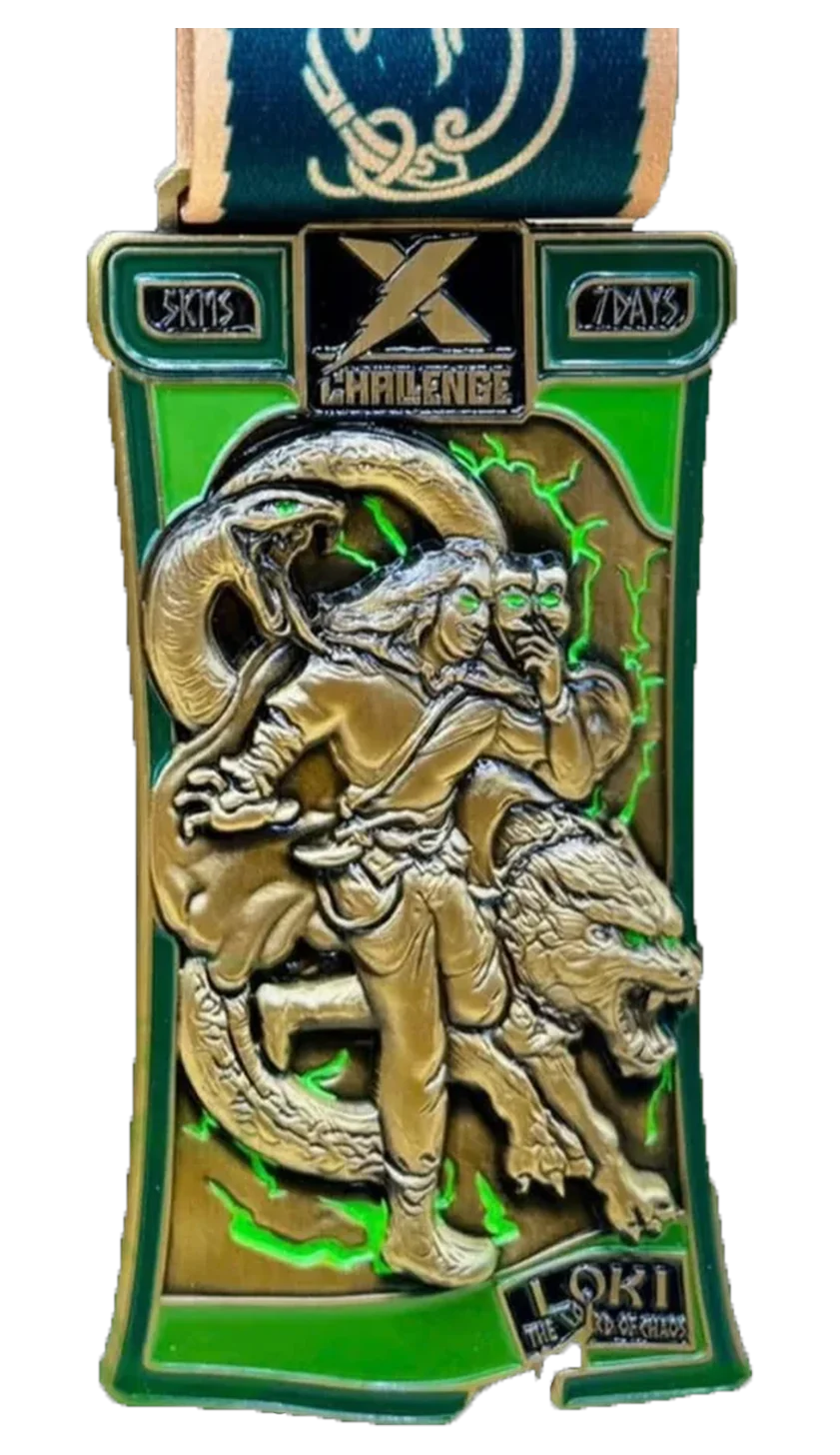
Steady movement matters more than a few hard weeks. A challenge with a set distance, such as LOKI or KYLIN, gives you a reason to keep moving. KYLIN spreads 54.7 miles (88 km) over 68 days, which suits a slow, steady plan. See also build a running habit.
Handling hunger
New runners often find they are much hungrier than before. That is normal, and fighting it every day rarely works. Plan for it instead. Eat a meal or snack within an hour or two of running, so hunger does not hit at night. Fill half the plate with vegetables and fruit. Keep protein at each meal, and keep easy snacks around, like fruit, yogurt and carrots, so you are not reaching for chips.
Sleep matters here too. Short nights tend to make people hungrier the next day. Seven hours or more makes a calorie gap easier to hold.
A four-week start
| Week | Running | Food |
|---|---|---|
| 1 | Three 20-minute run-walks | No changes; note what and when you eat |
| 2 | Three 25-minute run-walks | Add protein to breakfast |
| 3 | Three or four 30-minute runs | Swap sweetened drinks for water |
| 4 | Three or four 30-minute runs | Plan a snack before evening runs and a meal after |
One change at a time makes each one easier to keep. After a month, look at your weekly weight trend and how you feel on runs, then adjust.
Eating around runs while losing weight
It is tempting to skip the snack before a run and the meal after to save calories. That usually backfires. The run feels harder, and the hunger comes back stronger later. A better approach is to move food rather than cut it. Eat part of your breakfast before a morning run and the rest after. Eat part of your afternoon snack before an evening run and dinner after. Total food stays the same, and runs feel better.
When to get help
The same goes for injuries that keep coming back, very low energy, or missed periods. These can be signs that you are eating too little for the running you do.
If thoughts about food or weight take over your day, if you feel guilty after eating, or if you exercise to make up for meals, talk to a doctor. A registered dietitian can help you set a plan that fits your running.
Common questions
- How fast should I lose weight? The CDC points to about 1 to 2 pounds a week. Slower is fine, and easier to keep up while training.
- Is walking or running better for weight loss? Running burns more per minute. Walking is easier to do every day. The best one is the one you keep doing.
- Should I run fasted to burn fat? It is not needed. What you eat over the week matters more.
- Why am I gaining weight after starting to run? Early gains are often water in your muscles, or eating more without noticing. Watch the trend over a month.
- Do I need a calorie tracker? Not always. Some people find a week of tracking helps them see their habits.
This is general information for healthy adults. If you have diabetes, heart or kidney disease, are pregnant, or follow a diet set by a doctor, ask your doctor or a registered dietitian first.
Sources
- Harvard Health, Calories burned in 30 minutes of leisure and routine activities: calories burned walking and running, by body weight.
- CDC, Steps for losing weight: gradual weight loss of 1 to 2 pounds a week.
- Nutrition and Athletic Performance, joint position of Dietitians of Canada, the Academy of Nutrition and Dietetics and the American College of Sports Medicine (2016): slower weight loss, low energy availability, protein when eating less.
Challenges from this guide

Or take the whole set


More: all guides · how it works · every challenge