
Energy chews vs gels vs real food for running
Updated · 6 min read
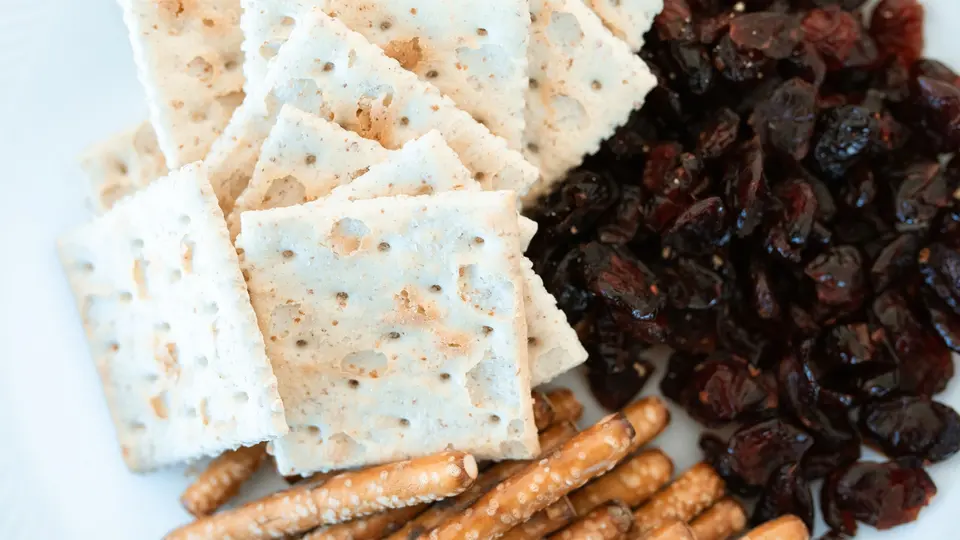
In short: Gels, chews and real food all deliver carbohydrate, and on a long run the total matters more than the form. Gels are the fastest to take and the easiest on most stomachs at race pace. Chews let you take small bites over a few minutes. Real food such as bananas, dates, pretzels or a small sandwich costs less and tastes better, but has more fiber and is harder to eat when breathing hard. Many runners mix them: real food on slow long runs, gels when the pace goes up.
How much carbohydrate you need
The joint sports nutrition position paper suggests no carbohydrate during sessions under 45 minutes, small amounts for 45 to 75 minutes, 30 to 60 grams an hour for 1 to 2.5 hours, and up to 90 grams an hour beyond that. It says a range of everyday foods and sports products, from liquid to solid, can supply it. So pick the form you can take easily at your pace.
Side by side
| Option | Carbs, roughly | Good at | Less good at |
|---|---|---|---|
| Energy gel | 20–40 g a packet | Fast, small, precise doses | Texture; needs water; sticky fingers |
| Energy chews | Check the label; about a gel’s worth per few chews | Small bites, easy to split | Chewing at hard paces |
| Sports drink | Check the label | Fluid, carbs and sodium in one | Volume to carry |
| Banana | About 25–30 g | Cheap, familiar, potassium | Bulk and fiber; bruises in a pocket |
| Dates or raisins | About 15–20 g for a small handful | Dense, easy to carry | Fiber; can be sticky |
| Pretzels | About 20–25 g an ounce | Salt as well as carbs | Dry mouth; needs water |
| Small PB&J or honey sandwich | About 20–25 g for a half | Feels like real food on slow runs | Fat and bulk; slow at speed |
Food values are rough, because portions vary. For packaged products, use the grams on the label.
What the research says about real food
A 2012 study in PLoS One had 14 trained cyclists ride 75 kilometers twice, once eating bananas and once drinking a 6 percent carbohydrate drink. Finish times and blood sugar were similar. The riders did feel more full and bloated with bananas, which the authors put down to the fiber. The study was funded by a banana company, and cyclists are not runners, but it supports a simple idea: real food works if your stomach handles it.
Running jostles the stomach more than cycling. A 2017 review on training the gut says fiber and fat raise the chance of stomach problems, and that the gut adapts with practice. That is why real food is easier on slow long runs and walks than at race pace.
Which to choose for which run
| Run | Good choice |
|---|---|
| Under 75 minutes | Nothing needed; eat well before |
| Slow long run, 90 minutes to 3 hours | Real food, chews or a sports drink; whatever you enjoy |
| Half marathon race pace | Gels or chews, with water |
| Long walk or hike | Real food: sandwiches, fruit, trail mix |
| Hot day | Sports drink plus gels or chews, so you get fluid and sodium |
Packaged options

GU Energy Chews, 12 bags
12 bags; with sodium
List price at guenergy.com, checked Nov 6, 2026

GU Energy Gel, box of 8
8 gels; about 100 calories and 22 g carbs each
List price at guenergy.com, checked Nov 6, 2026
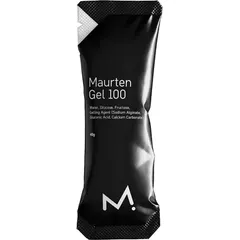
Maurten Gel 100, 12 pack
12 gels; 25 g carbs, about 100 kcal each; caffeine-free
List price at maurten.com, checked Nov 6, 2026 · Photo: maurten.com
$45Brand site
Prices are the brand’s list price on the day checked. Some links are affiliate links: as an Amazon Associate, X Challenge earns from qualifying purchases, at no extra cost to you.
Prices are list prices at the brand’s own store, or the retailer named under each product, on the day checked. They change, and sales are common.
How to mix them
- Work out a target, such as 40 grams an hour for a two-hour run.
- Pick a base: a sports drink in a bottle, or real food in a pocket.
- Top up with a gel or a few chews when the drink or food runs short.
- Take something every 20 to 30 minutes, not everything at once.
- Drink water with gels and dry foods like pretzels.
- Rehearse the exact plan on two long runs before race day.
Common mistakes
- Eating a whole energy bar at once at race pace. Break it into pieces over 20 minutes.
- Mixing a gel with a strong sports drink. That much sugar at once can upset your stomach.
- Fueling a 40-minute run like a marathon. You do not need it.
- Trying a new chew flavor on race day.
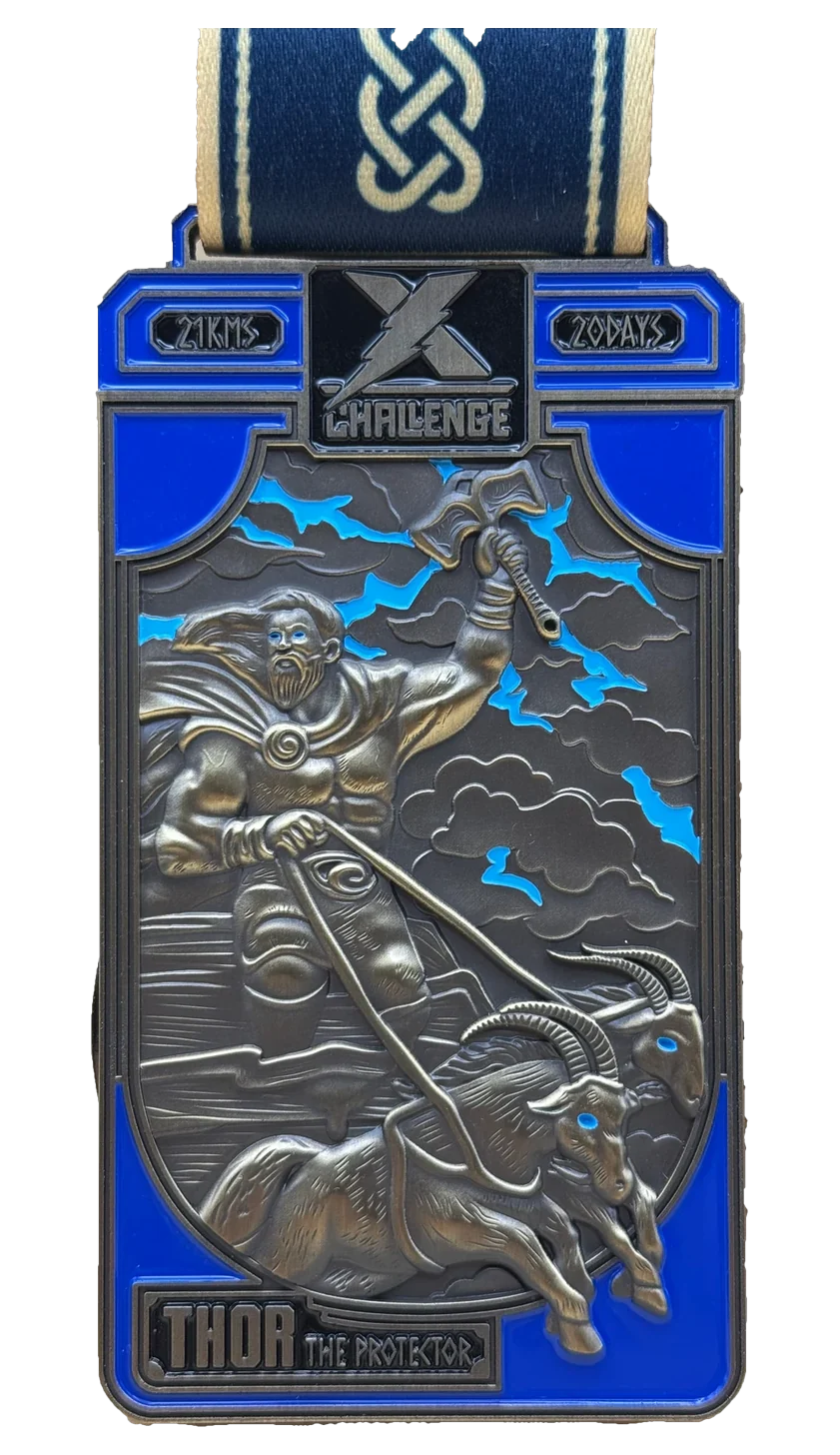
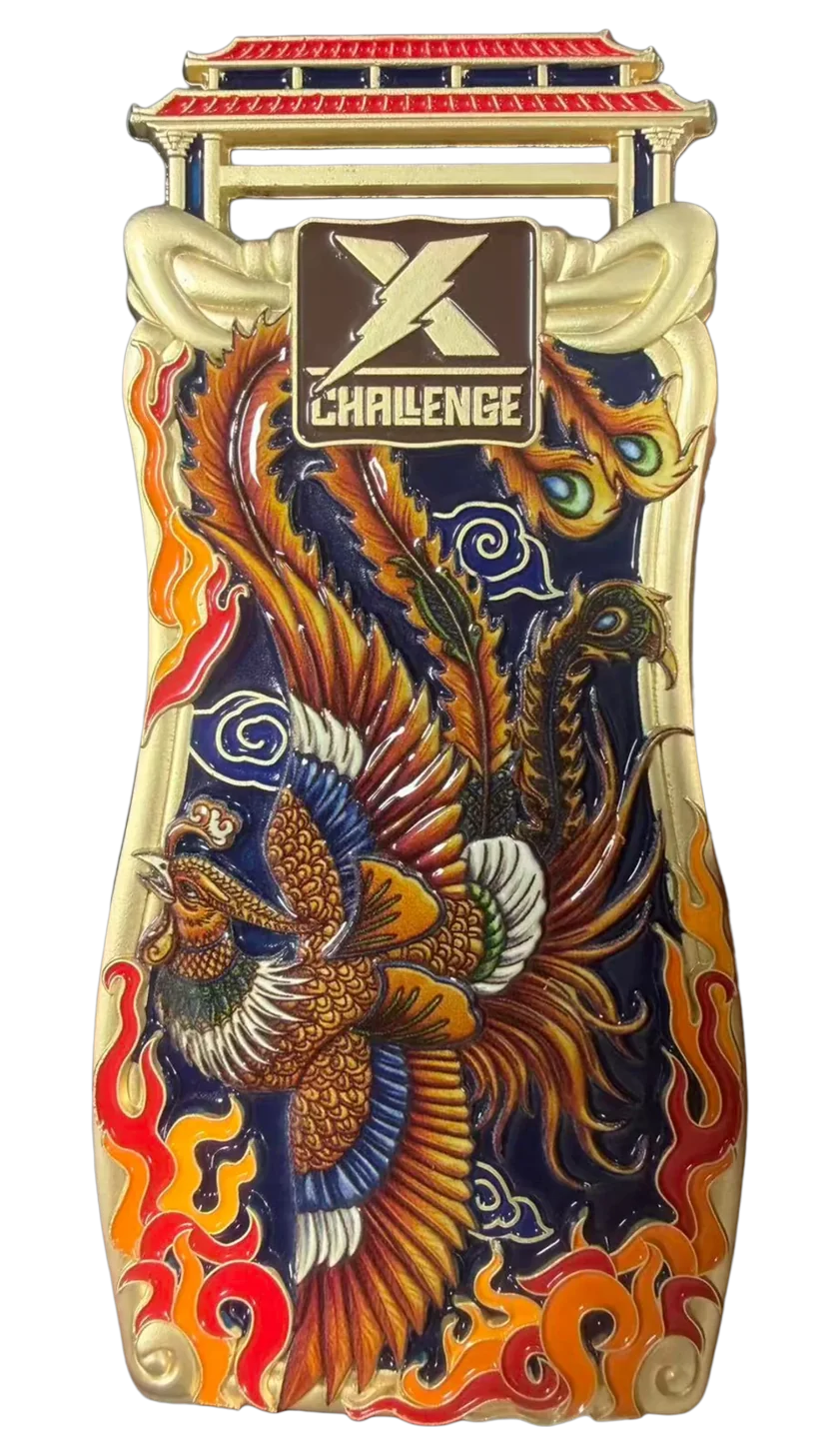
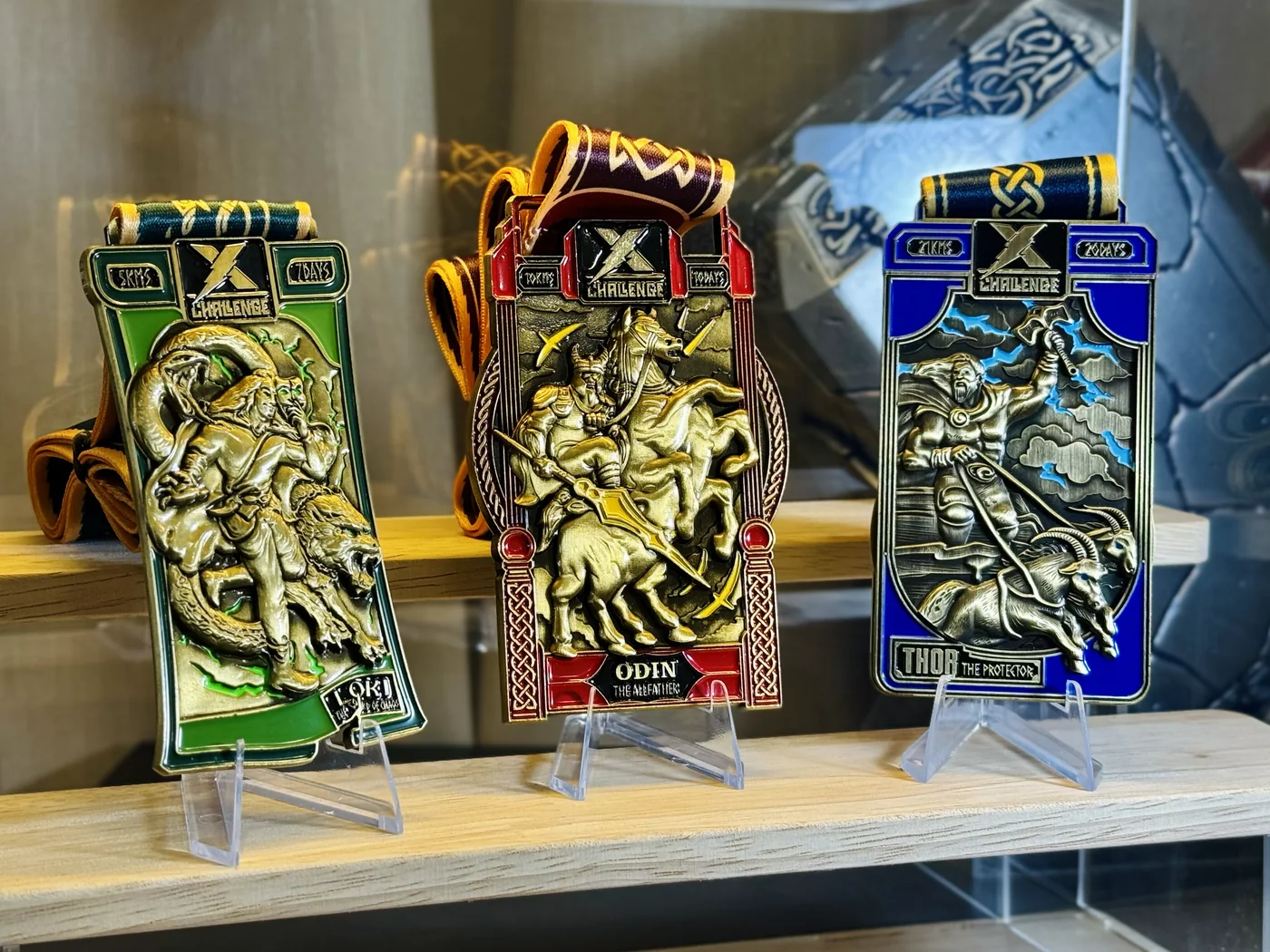
Most people complete THOR or PHOENIX in short daily sessions that need no fuel at all. These choices matter when you go long in one session. See also energy gels for running.
Carrying your fuel
- Shorts with a back pocket hold two or three gels or a bag of chews.
- A running belt holds a phone and food on longer runs.
- A vest carries bottles, sandwiches and fruit for runs over two hours.
- Real food travels best in a small zip bag. Peel and cut a banana before you go.
- On loops, leave food in your car or by your front door.
A sample two-hour long run
| Time | Fuel |
|---|---|
| 0:00 | Start with a bottle of sports drink |
| 0:30 | Half a banana, or a few chews |
| 0:50 | A few sips of sports drink |
| 1:00 | A gel with water |
| 1:30 | A few chews or a handful of pretzels |
| 1:45 | Finish the drink |
Adjust the plan to your pace and the weather. On a hot day, add more fluid and some salt. On a cool, easy day, you may need less. Write down what you took and how you felt, and keep the version that worked.
Cost and sodium
A mix of real food and a few gels is often the best of both: cheap and tasty on easy miles, quick when you need it.
Real food usually costs far less per hour of running than gels or chews. A bunch of bananas or a bag of pretzels covers several long runs. Packaged products cost more but are measured and easy to carry. Sodium differs too. Many gels and chews add some, bananas and dates have very little, and pretzels have a lot. On hot runs over two hours, pair low-sodium foods with an electrolyte drink. See electrolytes for running.
Common questions
- Can I use honey instead of gels? Yes. Small honey packets work like a basic gel. Practice first, and drink water with them.
- Are gels healthier than candy? They are both mostly sugar. Gels add sodium and come in measured doses, which helps on the run.
- Can I use gummy candy as chews? Many runners do. Check the carbs, and note it has little or no sodium.
- Do chews need water? Less than gels, but a few sips help.
- What if everything makes me sick? Slow your pace, take smaller amounts more often, and practice in training. See a sports dietitian if it persists.
This is general information for healthy adults. If you have diabetes, heart or kidney disease, are pregnant, or follow a diet set by a doctor, ask your doctor or a registered dietitian first.
Sources
- Nutrition and Athletic Performance, joint position of Dietitians of Canada, the Academy of Nutrition and Dietetics and the American College of Sports Medicine (2016): carbohydrate during exercise, liquid to solid sources.
- Nieman and others, Bananas as an energy source during exercise, PLoS One (2012): bananas compared with a carbohydrate drink.
- Jeukendrup, Training the gut for athletes, Sports Medicine (2017): fiber and fat and gut problems, training the gut.
Challenges from this guide
Or take the whole set
More: all guides · how it works · every challenge