
Ice or heat after running: which to use and when
Updated · 6 min read
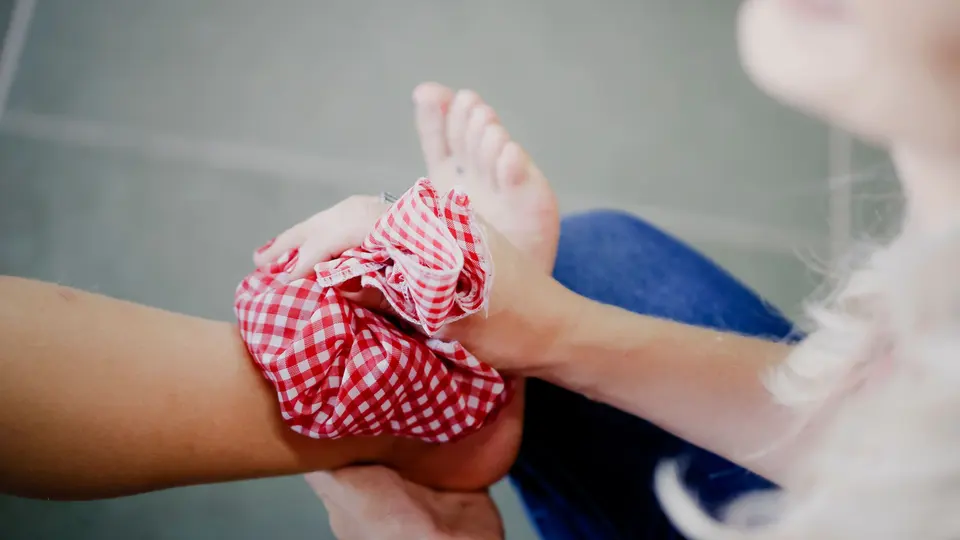
In short: Use ice for a new injury, such as a twisted ankle or a sudden sharp pain, and for flare-ups of a sore tendon. Use heat for lingering stiffness and tight muscles once any swelling has settled. Ice for 10 to 15 minutes, and no more than 20, with a cloth between the pack and your skin. Keep heat sessions under 20 minutes. For the first two or three days after an injury, avoid heat, alcohol and massage. Plain next-day soreness can take either, whichever feels better.
The short answer
| Situation | Use | Why |
|---|---|---|
| Twisted ankle, sudden sharp pain, swelling | Ice | Limits swelling and numbs pain early on |
| Tendon flare-up after a run, such as the Achilles | Ice | Calms a sore, irritated tendon |
| Plain soreness the day after a long run | Either | Use whichever feels better |
| Stiff, tight muscles with no injury | Heat | Helps muscles relax |
| Long-standing tendon pain with no swelling | Heat | Can ease stiffness once inflammation is gone |
| Before stretching an old tight spot | Heat | Warm tissue moves more easily |
Cleveland Clinic sums it up the same way: ice for new injuries and inflammation, heat for lingering stiffness and tension. For a strain or sprain, start with cold, then switch to heat once swelling is under control.
How to ice safely
- Wrap the ice pack, frozen peas or a bag of ice in a thin towel. Never put ice straight on skin.
- Ice for 10 to 15 minutes. Cleveland Clinic advises not going past 20.
- Repeat every two to three hours on the first day or two after an injury, as the NHS suggests.
- Use shorter sessions on small or thin areas, such as toes or the top of the foot.
- Stop if the skin goes numb, white or blotchy.
- Raise the injured leg on a pillow while you ice it to help with swelling.
How to use heat safely
- Use a heating pad on low or medium, a warm towel, or a warm bath or shower.
- Keep sessions under 20 minutes.
- For a warm bath, Cleveland Clinic gives a range of about 92 to 100 °F.
- Remove the heat if the area becomes uncomfortably warm.
- Never sleep on a heating pad.
- Do not use heat on a new injury, an area that is swollen, or broken skin.
The first two or three days after an injury
For a sprain or strain, the NHS recommends PRICE for the first two to three days:
- Protect: support the injury, for example with a brace or supportive shoes.
- Rest: stop running and avoid putting weight on it.
- Ice: up to 20 minutes every two to three hours.
- Compression: a bandage for support during the day.
- Elevation: keep it raised on a pillow as much as you can.
The NHS also says to avoid heat, alcohol and massage for the first couple of days, to help prevent swelling. Cleveland Clinic notes that heat may make a new injury feel worse at first. MedlinePlus suggests ice for the first 24 to 72 hours after an injury, after which heat may feel better.
After a normal run with no injury
How long should you keep icing a new injury? Most guidance focuses on the first two or three days. After that, if the swelling has gone down, switch to gentle movement and, if it feels better, heat. A sore tendon that flares after runs can take a short ice session after each run for as long as it helps. If you still need ice every day after two weeks, get the injury checked.
Most runs need neither. A cool-down walk, a stretch, food and sleep do the job. If your legs are sore the next day, use whatever feels best: a warm shower or bath often helps stiff muscles relax, and some runners like a cold pack on tired calves. See sore muscles after running.
Ice baths are popular with elite runners. For most people they are optional, and some find them more misery than help. Skip them if you have a heart condition or circulation problem unless your doctor says otherwise.
Who should be careful
- Reduced feeling in your feet or legs, for example from neuropathy. Cleveland Clinic advises caution with ice. You may not notice skin damage from either ice or heat.
- Raynaud’s syndrome, where fingers and toes react strongly to cold.
- Diabetes or poor circulation. Check with your doctor before using ice or heat on your feet.
- Broken or fragile skin over the area.
Making your own packs
- A bag of frozen peas or corn molds around an ankle or knee and refreezes. Label it so nobody eats it.
- A zip-top bag with crushed ice and a little water, wrapped in a thin towel.
- A paper cup of water, frozen. Peel back the rim and rub it over a small area like the Achilles or the arch of the foot. Keep it moving.
- A frozen water bottle rolled under the foot for heel pain.
- For heat, a damp hand towel warmed in the microwave for 20 to 30 seconds. Test it on your wrist first.
- A warm shower aimed at a stiff calf or back does the job with no kit at all.
Common mistakes
- Ice straight on bare skin, or for 40 minutes in front of the TV.
- A hot bath on the evening of a new sprain. Wait a couple of days.
- Icing a stiff old ache that would feel better warm.
- Using ice or heat to keep running through pain that is getting worse.
- Falling asleep with a heating pad on.
Using ice and heat through a challenge
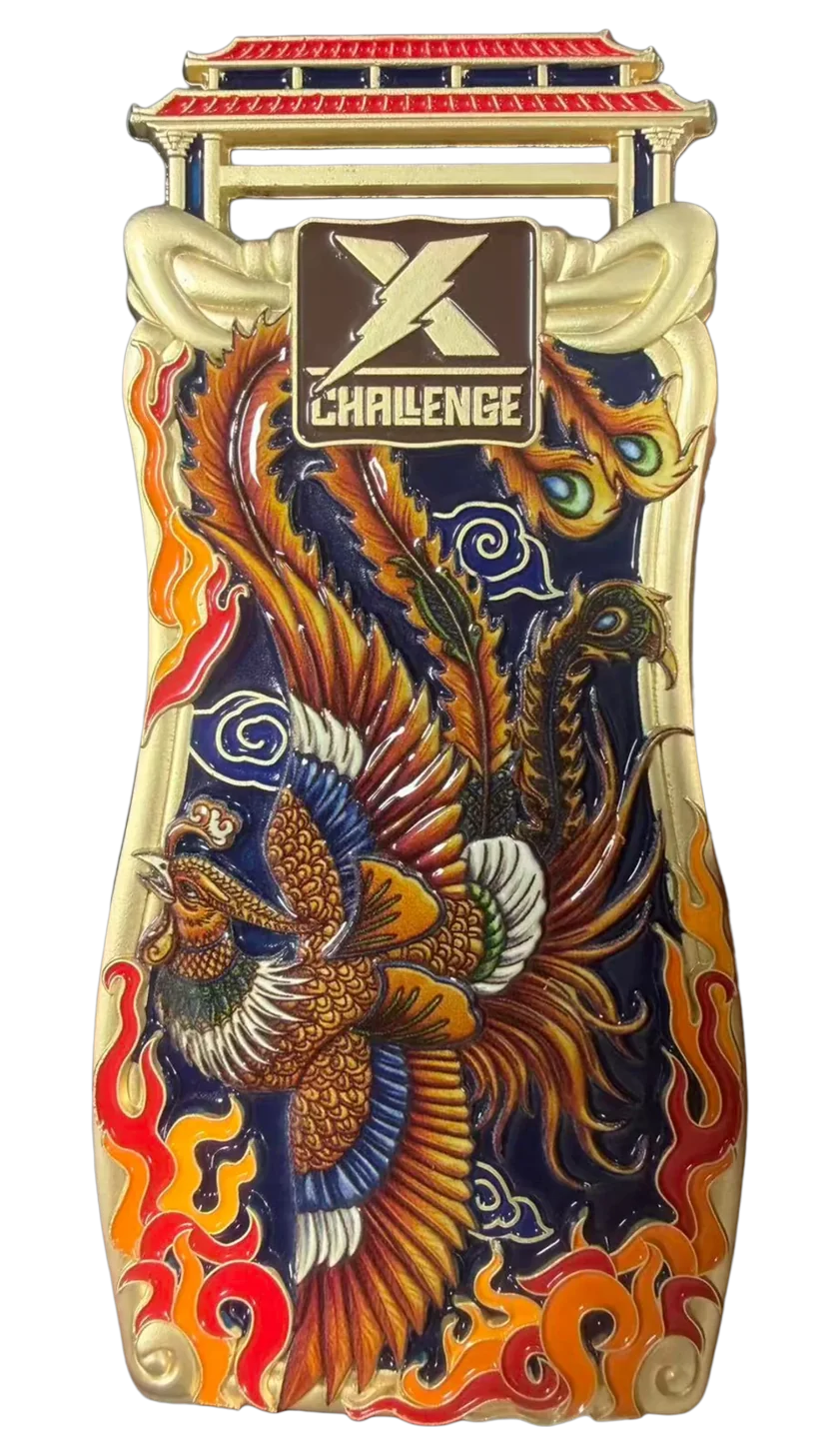
On a long challenge like Phoenix, 86.4 miles (139 km) over 79 days, little aches come and go. A warm bath after a long day and ice on a tendon that grumbles are easy habits to have. Neither replaces rest. If a pain needs ice every day to keep going, take a few days off or walk instead, and get it checked.
When to see a doctor
- You heard a crack, the area looks out of shape, or it is numb, tingling, cold or blue. The NHS treats these as emergencies: go to an emergency room or call 911.
- You cannot put weight on the leg or walk more than a few steps.
- Swelling or bruising keeps increasing, or the pain is getting worse.
- Neither ice nor heat is helping. Cleveland Clinic advises seeing a provider.
- Muscle pain lasts more than three days, the line MedlinePlus uses.
This is general information, not medical advice. See a doctor or physical therapist if pain lasts, gets worse, comes with swelling, or if you have a health condition.
Common questions
- Can I alternate ice and heat? For a strain, the usual pattern is ice first, then heat once swelling has gone. Alternating on day one is not needed.
- Should I ice before a run? No. Cold muscles and numb skin are not ready to run. Warm up instead.
- Is heat good for shin splints? Ice is the usual advice after activity. See shin splints from running.
- How soon after a run should I ice? Within a few minutes of finishing, once you have cooled down.
Sources
Challenges from this guide
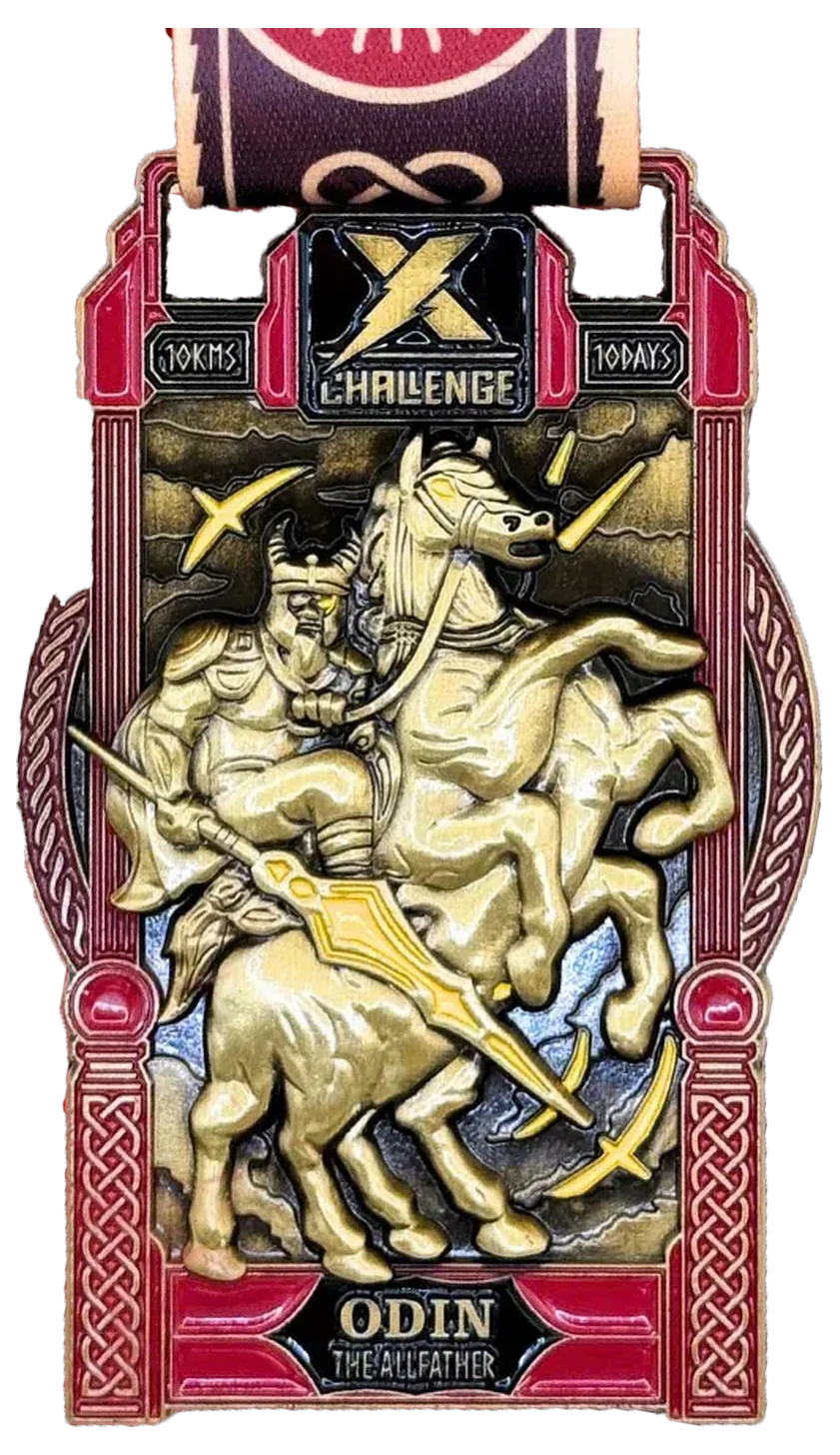
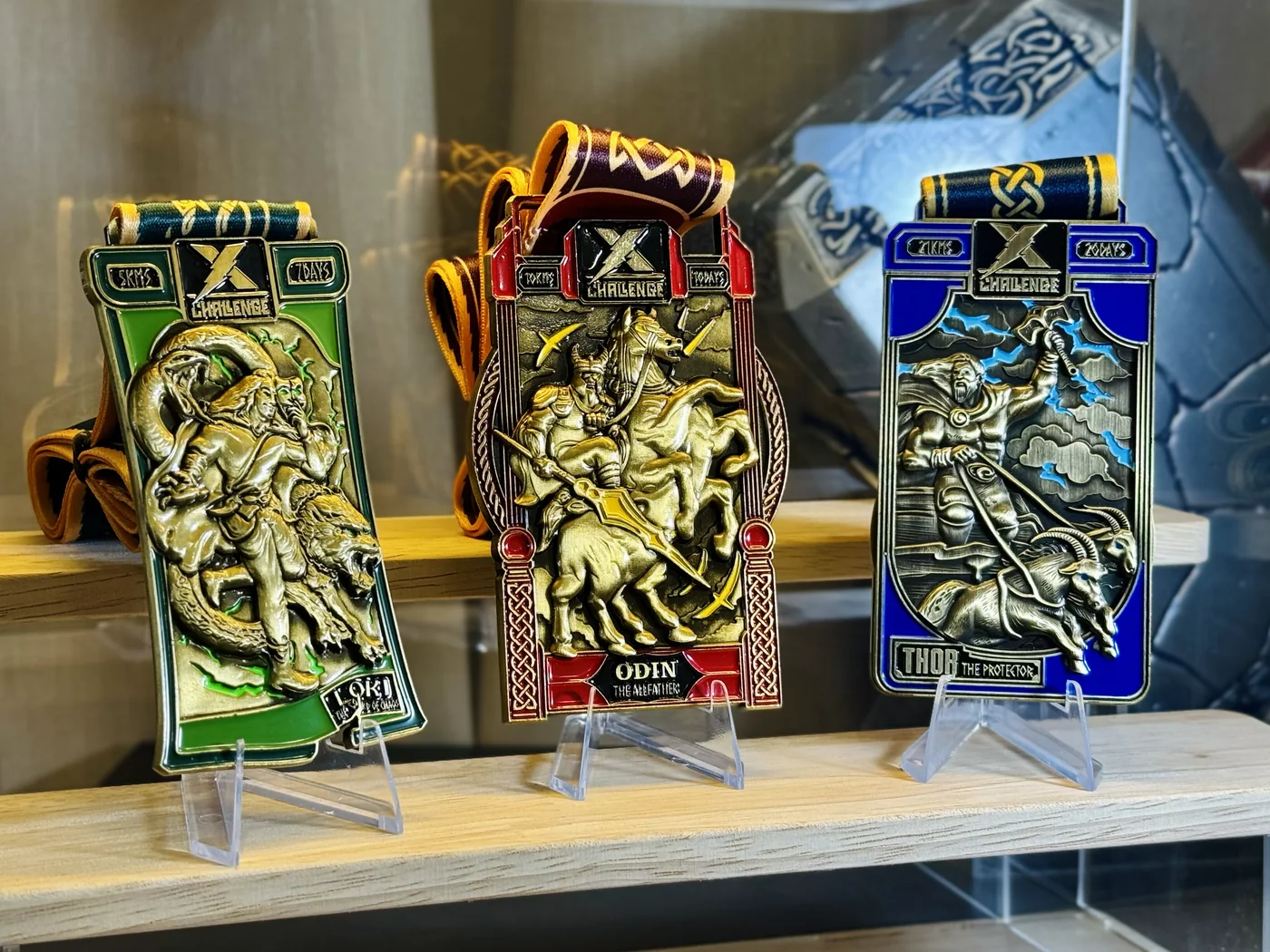
Or take the whole set

More: all guides · how it works · every challenge