
Sore muscles after running: normal or not?
Updated · 6 min read
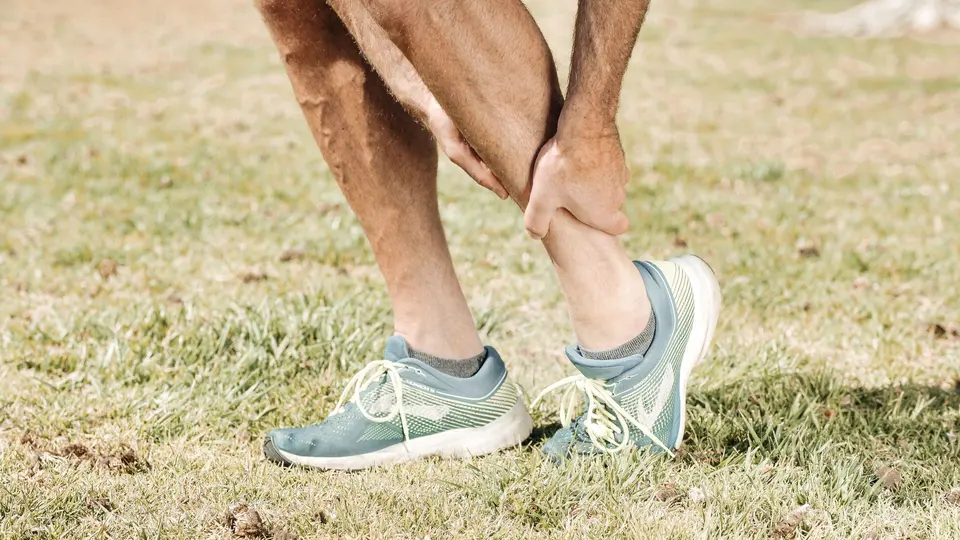
In short: Muscle soreness that starts 12 to 24 hours after a run and peaks on the second day is normal, especially when you are new or have just gone further, faster or downhill more than usual. It should be clearly easing by day three or four. Gentle walking or an easy jog is fine meanwhile and often feels better than sitting still. Sharp pain in one spot, pain at rest, swelling, weakness, or dark urine is something else. Those need rest and a call to your doctor.
Normal soreness or an injury
| Sign | Normal soreness | Rest and get it checked |
|---|---|---|
| When it starts | 12 to 24 hours later, worst on day two | During the run, sudden and sharp |
| Where | Across a whole muscle, often both legs | One specific spot, usually one side |
| With easy movement | Eases once you are warm | Gets worse as you keep going |
| How long | Clearly easing by day three or four | Lasts more than a few days or keeps coming back |
| Also | Stiffness, tenderness when you press | Swelling, bruising, pain in a joint or bone, a limp |
Why running makes you sore
Soreness is a sign your muscles met a new demand. On its own it is not a sign of harm, and it is not a measure of how good the workout was. Knowing the normal pattern helps you decide calmly whether to run, walk or rest the next day.
Delayed soreness follows work your muscles are not used to. Running loads muscles while they lengthen under tension, for example the quads braking you on every downhill step and the calves absorbing each landing. That work causes tiny strains in the muscle fibers. The repair process brings the stiffness and tenderness you feel a day later.
- Your first few weeks of running, when every session is new.
- A longer run than usual, even by a mile or two.
- Hills, and downhills in particular.
- Faster running, strides or intervals.
- A new surface or new shoes, which change how your legs take the load.
The good news: the next time you do the same session, soreness is usually milder. Your body adapts quickly to repeated work. That is one more reason to build up gradually instead of jumping to a long run.
What helps
- Light movement. Walking or easy cycling usually feels better than lying still.
- Sleep. Most of your repair happens overnight. See rest days and sleep for runners.
- Food. Eat a meal with protein and carbohydrate after training. See what to eat after a run.
- Gentle stretching, never forced. See six stretches after running.
- Foam rolling. A 2019 review found rolling after exercise reduced how sore people felt, by a modest amount. See foam rolling for runners.
- Over-the-counter pain relief and massage can help, according to MedlinePlus. Follow the label and ask a pharmacist if you take other medicines.
Should you run on sore legs?
| How it feels | What to do |
|---|---|
| Stiff at first, eases within ten minutes of walking | An easy, short run or a walk is fine |
| Sore all over, stairs are hard | Walk, cycle gently or rest. Run tomorrow |
| Sore and worse once you start running | Stop and walk home. Rest a day |
| Pain in one spot, a limp, or swelling | Stop running and get it checked |
Keep a sore-day run genuinely easy. You should be able to talk in full sentences. Skip hills and speed until the soreness is gone.
Myths about soreness
- Soreness means a good workout. Not necessarily. Plenty of useful runs leave you with no soreness at all.
- No soreness means no progress. Fitness improves from consistent training, sore or not.
- You must stretch it out. Gentle stretching may feel good, but hard stretching on sore muscles can make them feel worse.
- Push through to toughen up. Running hard on very sore legs changes how you move, which can lead to other aches.
In the middle of a challenge
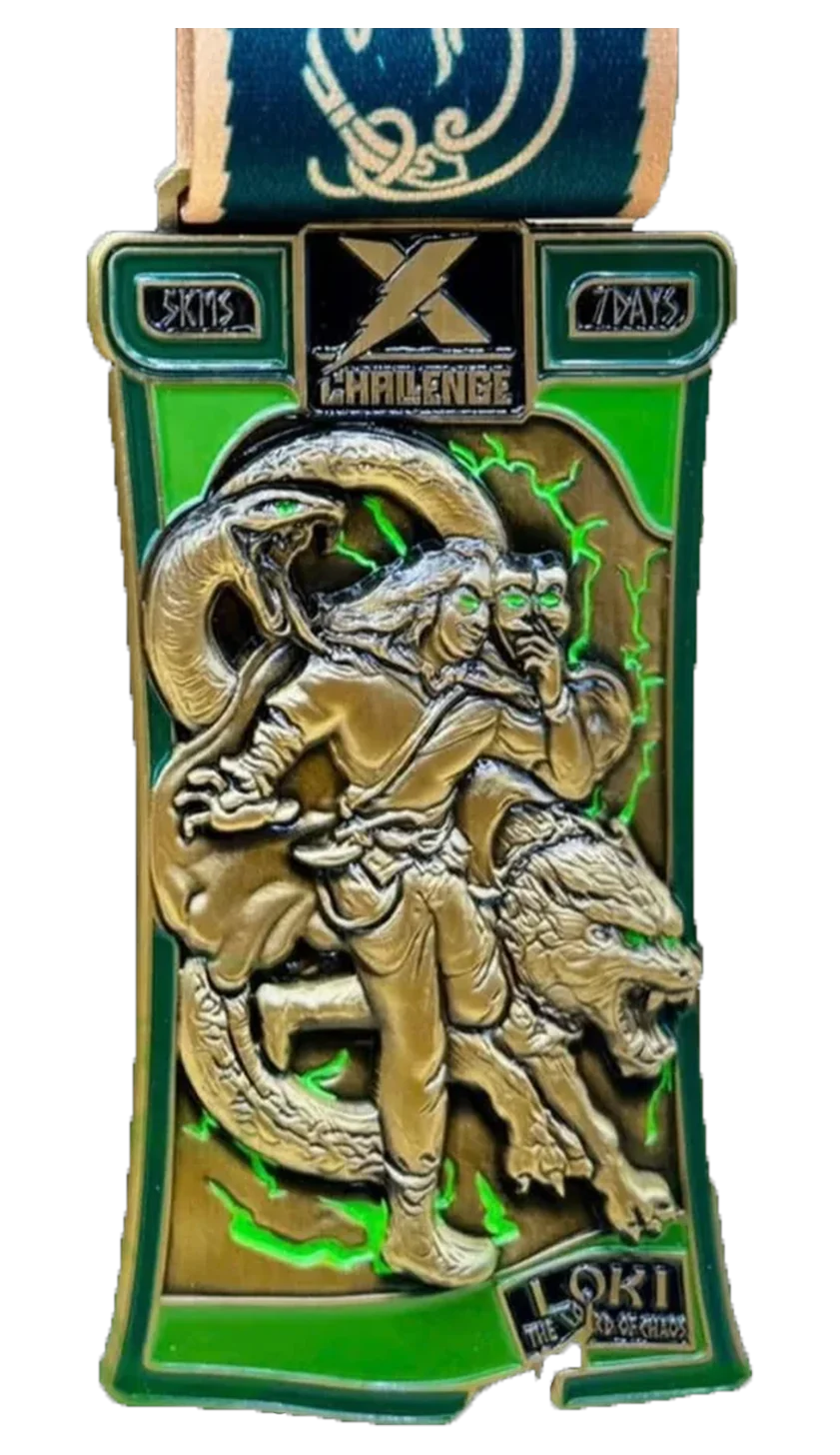
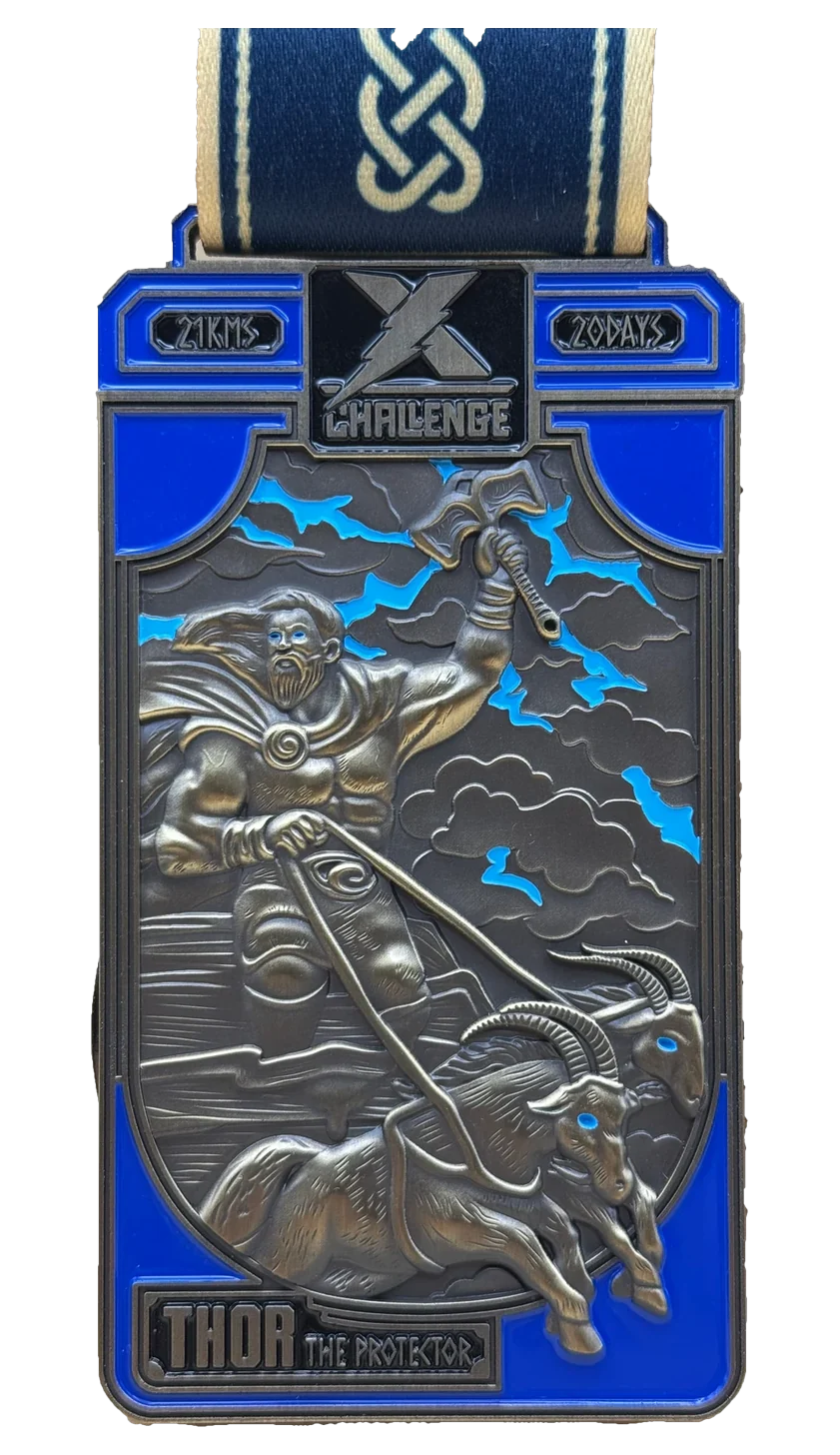
The X Challenge windows leave room for a day or two off. Loki is 3.1 miles (5 km) in 7 days, about 0.4 miles (0.7 km) a day. Thor averages about 0.7 miles (1.1 km) a day over 20 days. Walking counts toward your distance, so on sore days you can walk and still move closer to the finish.
If the soreness came from one big session, plan your next few days lighter. Two or three short walks keep blood moving through stiff legs, and your next run will feel better for it.
A sore week, day by day
Say you ran your longest distance yet on Saturday, with a few hills, and woke up stiff on Sunday. This is a sensible way through the week:
| Day | How you probably feel | What to do |
|---|---|---|
| Sunday | Stiff, sore quads and calves | A 20 to 30 minute walk, gentle stretching, a good meal, early night |
| Monday | Often the worst day, stairs hurt | Rest or an easy walk. No running |
| Tuesday | Easing | A short easy run or walk-run on flat ground if it loosens up after five minutes |
| Wednesday | Mostly better | Normal easy run, still flat |
| Thursday | Back to normal | Resume your usual plan. Keep the next long run the same length, not longer |
If you are still very sore on Wednesday, or one spot is getting worse while the rest improves, skip running for a few more days and read the warning signs below.
Less soreness next time
- Add distance in small steps. A long run one mile longer than last week is plenty for most beginners.
- Bring in hills gradually. Start with one gentle hill, and walk the steep downhills at first.
- Repeat a session before you make it harder. The second time almost always hurts less.
- Warm up with five minutes of walking and easy jogging, and cool down with a walk.
- Keep two strength sessions a week. Stronger legs cope better with the braking work of running.
- Break in new shoes on short runs before you take them long.
Walkers get sore too, especially after a first long walk or a hilly route. The same rules apply. Build up gradually and keep moving gently on the sore days.
When soreness is a warning
- Muscle pain that is not easing after three days. MedlinePlus advises calling your provider at that point.
- Dark, red or cola-colored urine with muscle pain, weakness or tenderness. MedlinePlus lists these as signs of rhabdomyolysis, a serious muscle breakdown that severe exertion can trigger. Contact a doctor promptly.
- Muscle weakness, being unable to move part of your body, or passing much less urine than usual. MedlinePlus says to call 911 for these.
- Pain in a bone or joint, swelling, or pain that wakes you at night.
This is general information, not medical advice. See a doctor or physical therapist if pain lasts, gets worse, comes with swelling, or if you have a health condition.
Common questions
- How long does soreness last after running? Usually two to four days, peaking on day two.
- Is it lactic acid? No. Lactic acid clears within an hour or so of finishing. Next-day soreness comes from muscle repair.
- Ice or heat for sore legs? Either can feel good for plain soreness. See ice or heat after running.
- Will I always get sore? Much less once you run regularly, unless you add distance, hills or speed.
Sources
Challenges from this guide
Or take the whole set

More: all guides · how it works · every challenge