
Blisters and chafing from running: prevent and treat
Updated · 6 min read
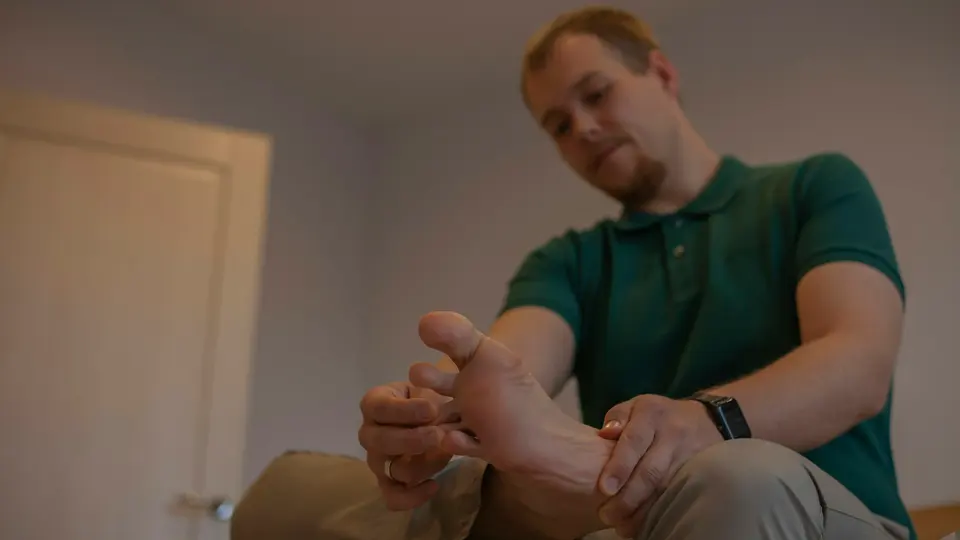
In short: Blisters and chafing come from friction, made worse by heat and sweat. Prevent them with shoes that fit, moisture-wicking socks and clothes instead of cotton, and a layer of petroleum jelly or an anti-chafe balm on spots that rub. If a blister forms, leave it intact and cover it. Most heal within one to two weeks. Drain one only if it is large and very painful, using a sterilized needle and keeping the roof on. See a doctor for redness spreading, pus, heat or increasing pain.
Why they happen
Almost every runner gets a blister or a raw patch at some point. Both are small problems that can stop you running for days, and both are easy to prevent once you know where you rub.
A blister forms when skin is rubbed back and forth until the layers separate and fill with fluid. Chafing is the same friction on a wider area of skin, leaving it red, raw and stinging. Sweat makes both worse, because damp skin rubs more. Salt from dried sweat adds grit. Long runs, hot humid days and new gear are the usual triggers.
Preventing foot blisters
- Shoes that fit: snug in the heel, a thumb’s width of room in front of your longest toe, and no rubbing anywhere. The American Academy of Dermatology (AAD) says neither too tight nor too loose.
- Break in new shoes gradually, wearing them for short runs first, as the NHS advises.
- Synthetic or merino socks that wick moisture. AAD advises avoiding cotton, which soaks up sweat.
- Change socks when they get wet, for example halfway through a long, hot run.
- Moleskin or a soft bandage on known hot spots before you start.
- Petroleum jelly or powder on areas that rub. AAD suggests both for reducing friction.
- Trim toenails straight across so they do not press into the next toe.
Lacing helps more than most runners realize. If your heel slips, use the extra top eyelet to tie a heel lock. If the top of your foot rubs or goes numb, skip an eyelet over the sore spot. Blisters on the tips of toes often mean the shoe is too short, or your foot slides forward on downhills. A half size up can fix it.
Socks that help
Running socks are cheap insurance. Look for a seamless toe, a snug fit around the arch, and a synthetic or merino blend. These are three common choices. For more, see running socks and clothes.

Feetures Elite Light Cushion Invisible
1 pair; light cushion, no-show
List price at feetures.com, checked Nov 6, 2026
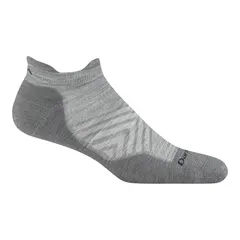
Darn Tough Run No Show Tab Ultra-Lightweight
1 pair; merino wool, no cushion, lifetime guarantee
List price at darntough.com, checked Nov 6, 2026 · Photo: darntough.com
$19Brand site
Brooks Run-In No Show 3-Pack
3 pairs; light cushion
List price at brooksrunning.com, checked Nov 6, 2026
Prices are the brand’s list price on the day checked. Some links are affiliate links: as an Amazon Associate, X Challenge earns from qualifying purchases, at no extra cost to you.
Preventing chafing
| Area | What helps |
|---|---|
| Inner thighs | Shorts with a built-in liner or longer compression shorts, plus anti-chafe balm |
| Nipples | Soft tape or plasters before the run, or a fitted technical top |
| Underarms | Close-fitting sleeves or tank cut, balm on the arm line |
| Bra band and straps | A well-fitted sports bra, balm under the band |
| Waistband | Flat seams, a waistband that does not slide, balm where it sits |
| Heart-rate strap | Balm under the strap edges, and a snug fit |
Wear loose, moisture-wicking clothes and avoid cotton, as AAD advises. Test new kit on short runs before a long one. AAD also says to stop as soon as your skin turns red or starts to hurt. A minute to adjust a sock or add balm can save a week of discomfort.
Treating a blister
- Leave it intact if you can. AAD says most blisters heal on their own in one to two weeks.
- Cover it loosely with a bandage. On the sole, cut a donut-shaped pad to go around it, then cover both.
- A hydrocolloid dressing can ease pain and may help it heal faster, according to the NHS.
- If it bursts, let the fluid drain, wash it gently, and cover it. Do not peel off the loose skin.
- Avoid the shoes or socks that caused it until it heals, or pad the spot well.
Should you pop a blister?
Usually no, because popping it opens the door to infection. AAD says draining is reasonable only for a large blister that is very painful. Its method:
- Sterilize a small needle with rubbing alcohol.
- Pierce one edge of the blister and let the fluid drain out.
- Wash the area with soap and water and apply petroleum jelly.
- Leave the top layer of skin in place. It protects the raw skin underneath.
- Cover with a bandage and check it daily.
Looking after chafed skin
Rinse chafed skin gently with cool water and pat it dry. Expect it to sting in the shower. A thin layer of petroleum jelly protects it while it heals, and loose clothes help. Give it a day or two before you run in the same kit, and add more balm next time. Mild chafing usually settles within a few days.
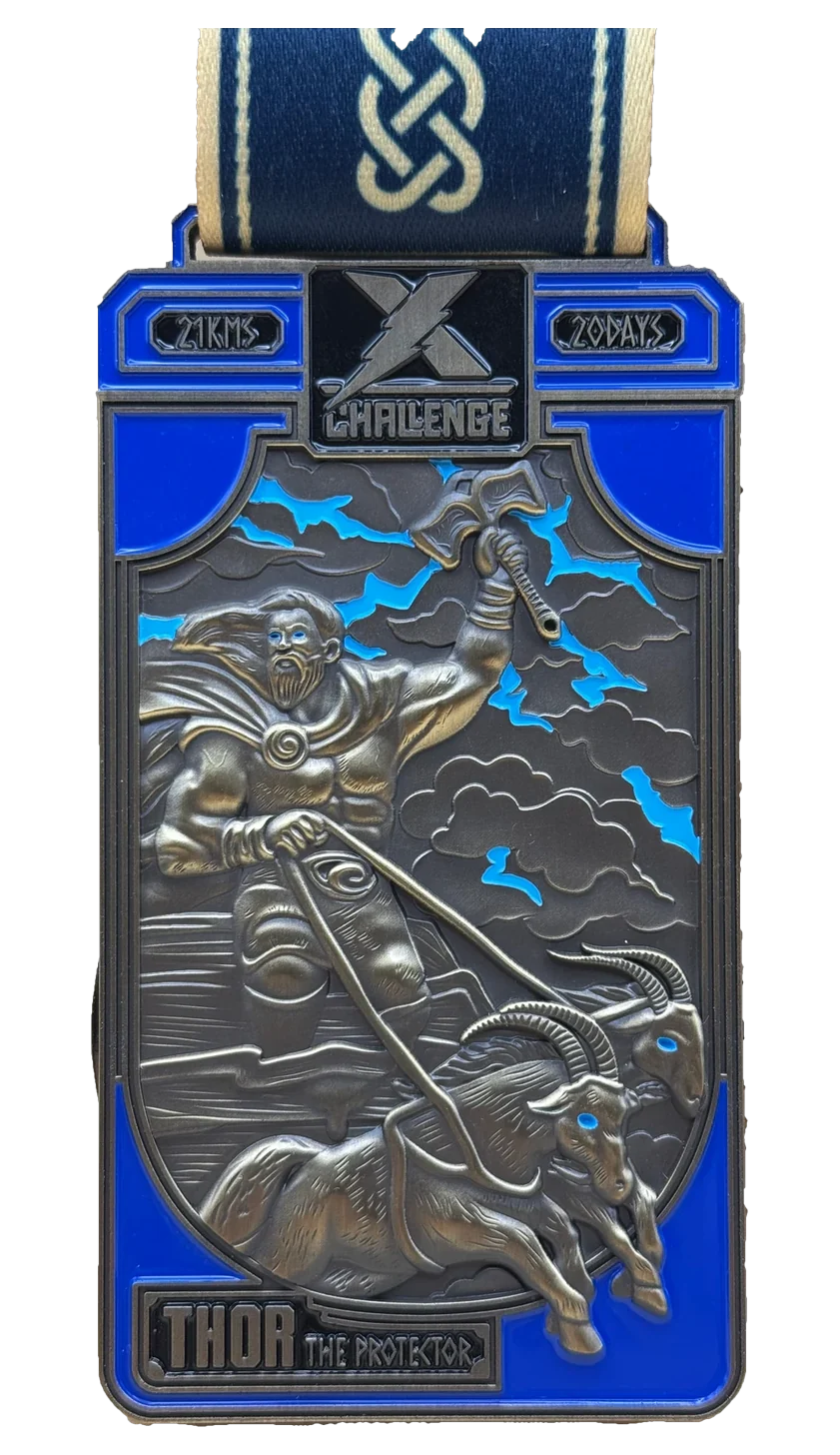
On a multi-day X Challenge such as Thor, 13 miles (21 km) over 20 days, a raw spot can turn into a problem if you keep rubbing it day after day. Swap to different shorts or socks, or walk for a day, while it heals.
A small kit for long runs
- A small tube or stick of anti-chafe balm, or petroleum jelly in a tiny pot.
- Two or three blister plasters or hydrocolloid dressings.
- A strip of moleskin or athletic tape, pre-cut to size.
- A spare pair of socks on hot or wet days, if you have a belt or vest to carry them.
It all fits in a running belt pocket. Stop and deal with a hot spot the moment you feel it. A two-minute stop is far better than a blister that keeps you off your feet for a week.
Common mistakes
- Wearing brand-new shoes for a long run.
- Running in cotton socks or a cotton T-shirt on a hot day.
- Waiting for pain before adding balm. Put it on before you start.
- Peeling the loose skin off a burst blister. Leave it to protect the skin underneath.
- Lacing so tightly that the top of the foot rubs, or so loosely that the heel slips.
When to see a doctor
- Signs of infection: redness spreading around it, pus, heat, or increasing pain or swelling.
- A blister that is very painful or keeps coming back.
- Blisters that appear without a clear cause, or after a burn or allergic reaction.
- You have diabetes or poor circulation. Get any foot blister checked early.
This is general information, not medical advice. If you are unsure about a skin problem, ask a pharmacist, your doctor or a board-certified dermatologist.
Common questions
- Do two pairs of socks help? AAD suggests trying two pairs if one is not enough. Make sure your shoes still fit.
- Can I run with a blister? Small, well-padded blisters often allow easy running. Stop if it hurts or you change how you move.
- Is petroleum jelly as good as anti-chafe balm? Both reduce friction. Balms are less greasy on clothes.
- Why do I blister in the heat? Sweat softens skin and adds friction. See running in the heat.
Sources
Challenges from this guide
Or take the whole set

More: all guides · how it works · every challenge