
Running in the heat: staying safe in summer
Updated · 6 min read
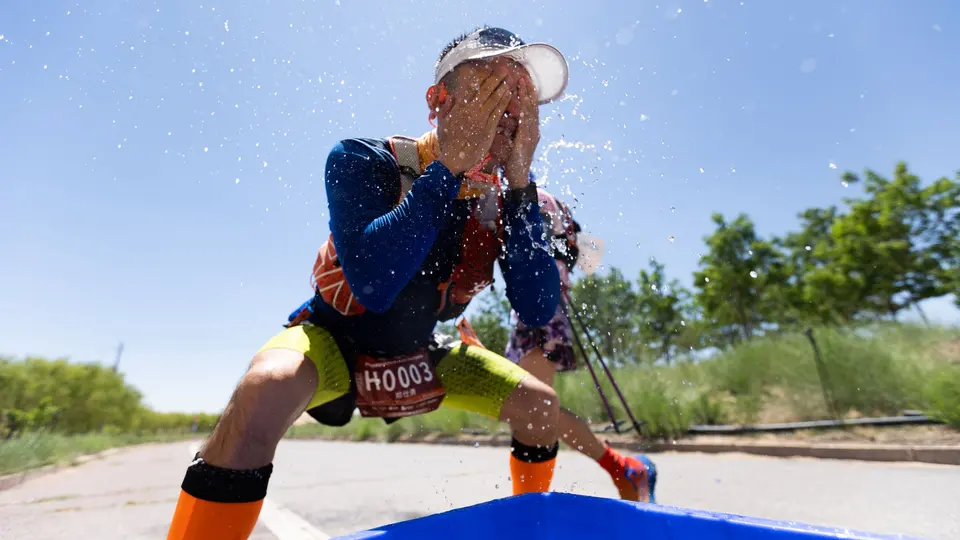
In short: In hot, humid weather, run early or late, slow down, drink before and during longer runs, and stop at once if you feel dizzy, sick or confused. Running slower in the heat is normal and expected. Heat exhaustion means heavy sweating, weakness, nausea and headache: stop, get somewhere cool and drink. Confusion, fainting, slurred speech or hot skin can mean heat stroke, which is a medical emergency. Call 911 and start cooling the person while you wait.
Check the heat index first
The National Weather Service describes the heat index as how hot it really feels once humidity is factored in with the air temperature. Humidity matters because sweat only cools you when it evaporates. On a sticky July morning in Houston or Atlanta, 82°F can feel far harsher than 92°F in dry Phoenix air.
The heat index is measured in the shade. The Weather Service notes that full sunshine can raise it by up to 15°F. A run on an open road at noon is a very different thing from the forecast number.
RRCA, the national association of running clubs, advises against running outside when the temperature is above 98.6°F and humidity is above 70 to 80%. Many runners set their own line well below that, and move a run indoors or cut it short when the heat index is in the 90s.
When to run
- Early morning is usually coolest. The ground and buildings have shed the day’s heat, and the sun is low.
- Late evening can work, but pavement holds heat after sunset, and humidity often rises.
- Midday to late afternoon is usually the hottest part of the day. Avoid it for anything but a short, easy session.
- Shade changes everything. A wooded park path can feel several degrees cooler than a sunny street.
- Plan loops that pass a water fountain, a store, or your front door.
Slow down and give your body time
Your heart works harder in the heat, because it sends blood to your skin to cool you as well as to your muscles. The same pace costs more. Go by effort, or by breathing, and let your pace drop. Mixing in walking breaks is a smart move, not a failure.
Your body also adapts with time. CDC workplace guidance says people should build up their time in hot conditions gradually over 7 to 14 days. It also says much of that adaptation can be lost after a week or more away from the heat. For runners, that means easing in during the first warm spell of the year, and again after a vacation somewhere cool.
| Days | What to do |
|---|---|
| 1–3 | Short, easy runs, about half your usual time, in the coolest part of the day |
| 4–7 | Build toward your usual time at an easy effort; walk breaks as needed |
| 8–14 | Usual distance at easy effort; add one harder session only if you feel fine |
| After | Keep hard sessions for the coolest mornings; expect slower paces all summer |
Drinking before and during
RRCA notes you can lose 6 to 12 ounces of fluid for every 20 minutes of running, more in the heat. Its suggestion is to drink 10 to 15 ounces of water 10 to 15 minutes before you run, then drink every 20 to 30 minutes during the run. On runs over an hour, carry water or plan a route where you can refill.
- Start hydrated. Pale yellow urine is a simple check.
- On long or very sweaty runs, a drink with electrolytes helps replace the salt you lose, see electrolytes for running.
- Do not force down large amounts of plain water. Drink to thirst during the run and top up afterward.
- Weigh yourself before and after a long summer run once or twice. The difference tells you roughly how much you sweat.
A small handheld bottle or a waist pack makes carrying water easy. See how much water to drink when running for more.
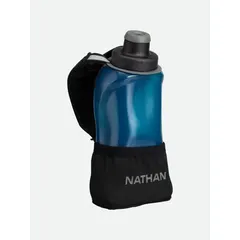
Nathan QuickSqueeze Lite Handheld 12ozNS40160-00030-12OZ
12 oz handheld bottle
List price at nathansports.com, checked Nov 6, 2026 · Photo: nathansports.com
$28Brand site
Nathan Peak Hydration Waist PackNS4873-00108-OSFM
Single-flask waist belt, insulated holder
List price at nathansports.com, checked Nov 6, 2026
Prices are the brand’s list price on the day checked. Some links are affiliate links: as an Amazon Associate, X Challenge earns from qualifying purchases, at no extra cost to you.
What to wear
- Light-colored, loose, breathable fabric. RRCA suggests skipping long sleeves and long pants in high heat.
- A light cap or visor for sun, and sunglasses.
- Sunscreen of SPF 15 or higher, which RRCA recommends, reapplied on long runs.
- Never wear extra layers or a sweat suit to "sweat off" weight. It only adds heat stress.
- Wicking socks to cut blisters from sweaty feet, see running socks and clothes.
Heat exhaustion and heat stroke
| Heat cramps | Heat exhaustion | Heat stroke | |
|---|---|---|---|
| Signs | Muscle cramps, pain or spasms in legs, arms or belly | Headache, nausea, dizziness, weakness, irritability, thirst, heavy sweating | Confusion, slurred speech, fainting, seizures, hot dry skin or heavy sweating, very high body temperature |
| What to do | Stop, drink water and a sports drink, rest | Stop, get out of the heat, drink, cool your head and neck with cold water | Call 911, move to shade, cool with cold water or ice, stay with the person |
| Get help if | Cramps last over an hour | You do not feel better soon, or you get worse | Always. It is an emergency |
The CDC warns that in heat stroke, body temperature can rise to 106°F or higher within 10 to 15 minutes, and it can be fatal if treatment is delayed. Heat exhaustion can turn into heat stroke. If someone becomes confused, treat it as heat stroke.
Keeping a challenge going in summer
Treadmill sessions count the same in the app, see treadmill virtual runs. Long windows help too. KYLIN averages about 0.8 miles (1.3 km) a day over 68 days, an easy early-morning walk. On a heat wave week, bank short runs on the cooler mornings and rest on the worst days. LOKI can be finished in a few cool evenings.
Common mistakes
- Trying to hold spring paces in July.
- Running the first hot day of the year as if you were used to it.
- Heading out at lunch because it is the only free hour, with no water and no shade.
- Ignoring dizziness or chills because you are nearly home.
- Drinking nothing on a 45-minute run and a gallon afterward.
- Wearing a dark, heavy cotton shirt that soaks through and holds the heat.
Common questions
- What temperature is too hot to run? There is no single number, because humidity and sun matter as much as the reading. Check the heat index, and take extra care once it reaches the 90s.
- Is it better to run in the morning or evening in summer? Usually the morning. It is cooler, and the sun is lower.
- Can I run in the heat if I have a health condition? RRCA suggests checking with your doctor if you have heart or breathing problems or take medicine that affects how you handle heat.
- Why is my heart rate so high on hot runs? Your heart is cooling you as well as moving you. Slow down until your effort feels normal.
This is general information for healthy adults, not medical advice. If you have a health condition, are pregnant, or have not exercised in a long time, check with a doctor before you start.
Sources
Challenges from this guide


Or take the whole set


More: all guides · how it works · every challenge