
Foam rolling for runners: worth it, and how
Updated · 6 min read
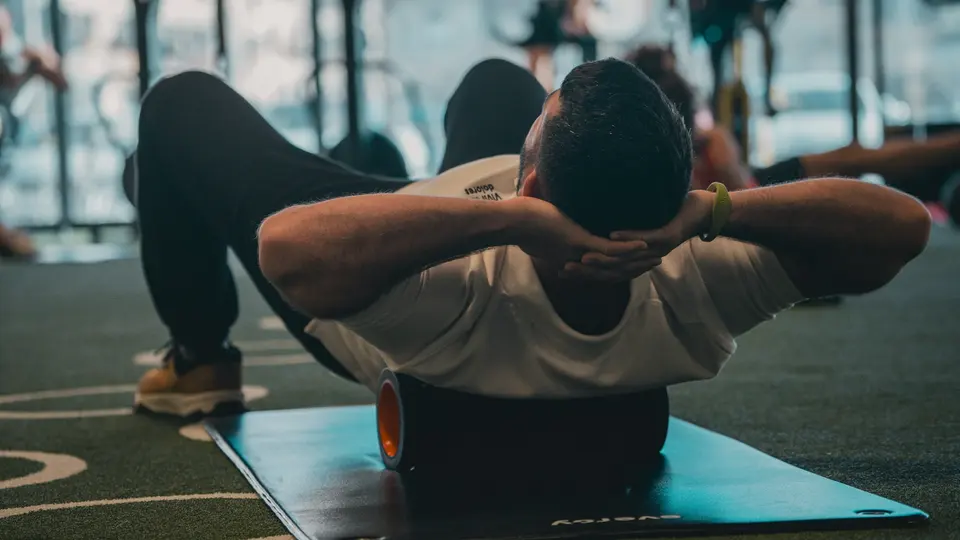
In short: A foam roller may ease tightness and soreness for a short while after a run, and research suggests a small benefit. A beginner does not need one. Roll each area slowly for about 30 to 60 seconds with moderate pressure. Do not roll directly on joints, bones or anything swollen. On a tight budget, shoes that fit matter far more than a roller. If you do buy one, a plain medium-density roller does the job.
What the research says
A 2019 meta-analysis in Frontiers in Physiology pooled 21 studies on foam rolling. Rolling after exercise reduced how sore people felt by about 6%, the clearest effect in the review. Its effects on sprint and strength recovery were small and not statistically significant. Rolling before exercise gave small short-term gains in flexibility.
The authors called the overall effects minor and partly negligible, but relevant in some cases, such as easing muscle pain. They also found no agreement on the best way to roll: studies used different times, pressures and speeds. In practice, that means rolling is a comfort tool. Use it if it helps you feel better, and do not expect it to replace sleep or rest.
Where to roll
| Area | How |
|---|---|
| Calves | Sit with the roller under your calves, lift your hips and roll from ankle to knee. Cross one leg over the other for more pressure |
| Hamstrings | Sit with the roller under your thighs, roll from knee to seat |
| Quads | Face down on your forearms, roll from hip to just above the knee |
| Outer thigh and hip | Lie on your side and roll the fleshy muscle near the hip, not the bony outside of the knee |
| Glutes | Sit on the roller, cross one ankle over the other knee, lean toward that side |
| Upper back | On your back, roller under your upper back, hands behind your head, roll from mid-back to shoulders |
How to roll
- Move slowly, about an inch a second.
- Spend 30 to 60 seconds on each area.
- When you find a tender spot, pause on it for a few breaths, then move on.
- Use moderate pressure. You should be able to breathe normally and relax the muscle.
- Support some of your weight with your hands or the other leg to control pressure.
- A full session covering calves, hamstrings, quads and glutes takes about eight minutes.
Where not to roll
- Directly on the knee joint, the shinbone or the lower spine.
- On the bony outside of the knee if you have IT band pain. It tends to aggravate it. See IT band syndrome from running.
- Anything swollen, bruised or possibly injured.
- So hard that you hold your breath or tense up. Moderate discomfort is enough.
- If you have a blood-clotting condition, take blood thinners or have a circulation problem, ask your doctor first.
Before or after a run?
| When | What for | How long |
|---|---|---|
| Before a run | Feeling looser in tight calves or hips, as part of a warm-up | 2 to 3 minutes, then dynamic drills |
| After a run | Easing tightness and soreness | 5 to 10 minutes |
| Rest day evening | Comfort and relaxation | 5 to 10 minutes, gently |
Rolling for specific problems
| Complaint | Does rolling help? | What else to do |
|---|---|---|
| General next-day soreness | Often feels better, and the research supports a small effect | Walk, sleep, eat well |
| Tight calves | Usually comfortable and worth trying | Calf stretches and calf raises |
| Outer knee pain (IT band) | Roll the hip and glutes, not the knee | Hip strength work |
| Shin pain | Do not roll the shinbone | Rest and a gradual return |
| Heel or arch pain | A ball or frozen bottle under the arch may ease it | Calf and foot stretches, supportive shoes |
| Sharp pain in one spot | No | Stop running and get it checked |
A five-minute routine after a run
| Time | Area | Tip |
|---|---|---|
| 0:00 to 1:00 | Left calf, then right | Turn the foot in and out to reach both sides |
| 1:00 to 2:00 | Hamstrings, both legs | Lift your hips and keep your hands behind you |
| 2:00 to 3:00 | Quads, one leg at a time | Stop above the kneecap |
| 3:00 to 4:00 | Glutes, each side | Lean into the side with the crossed leg |
| 4:00 to 5:00 | Upper back | Support your head, keep your hips down |
Follow it with the calf and hip flexor stretches if you have a few more minutes.
Common mistakes
- Rolling too fast. Quick back-and-forth passes do little. Slow down.
- Grinding on one painful spot for minutes. A few breaths is enough, then move on.
- Rolling the lower back. Use the roller on the upper back only, or lie lengthwise along it instead.
- Using the roller to keep running on an injury. If a spot needs rolling every day to get through a run, it needs rest and a proper look.
- Buying the hardest, spikiest roller. Medium density suits most runners, especially at first.
Do you need one?
Not at first. Stretching after a run, sleep and shoes that fit come first. A roller earns its place once you are running regularly and your calves or thighs often feel tight. If you buy one, choose a plain, medium-density roller about 12 to 18 inches long. Very hard or deeply textured rollers are a matter of taste and not needed by most runners. A tennis ball works well for glutes and the arch of the foot.
Smooth foam is gentler and good for beginners. A firmer roller with a grid surface gives more pressure, which some runners like on the calves and glutes. Shorter rollers travel well. Longer ones are more stable for the upper back. A roller lasts for years, so there is no need to buy the most expensive one. A basic model does the job.
Where you keep it matters more than which one you buy. A roller in the living room gets used during an evening show. One in the closet gathers dust. Rolling for a few minutes while you watch TV is an easy habit to keep through a long challenge, and it is a calm way to end the day before sleep.
Rolling during a long challenge
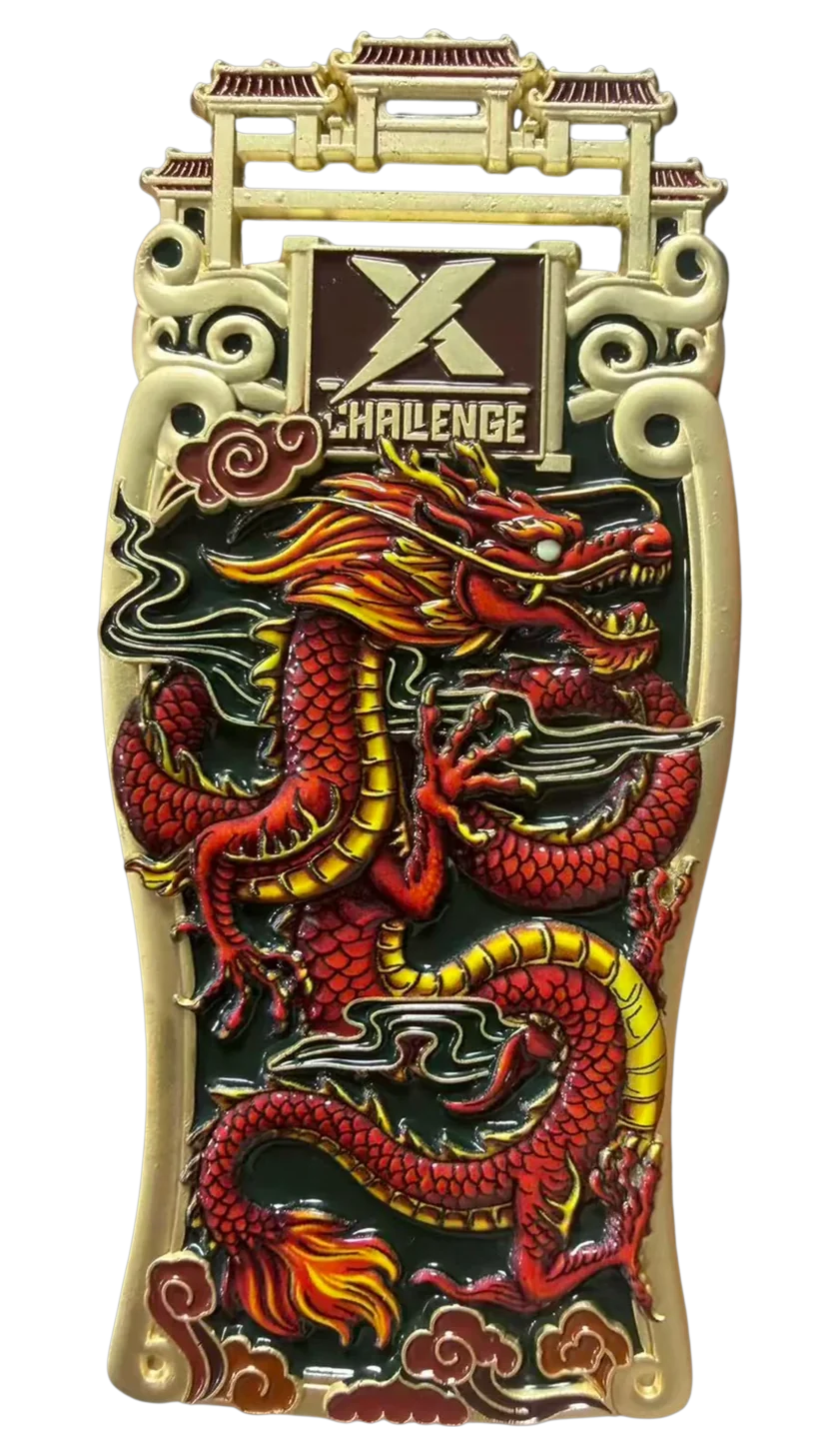
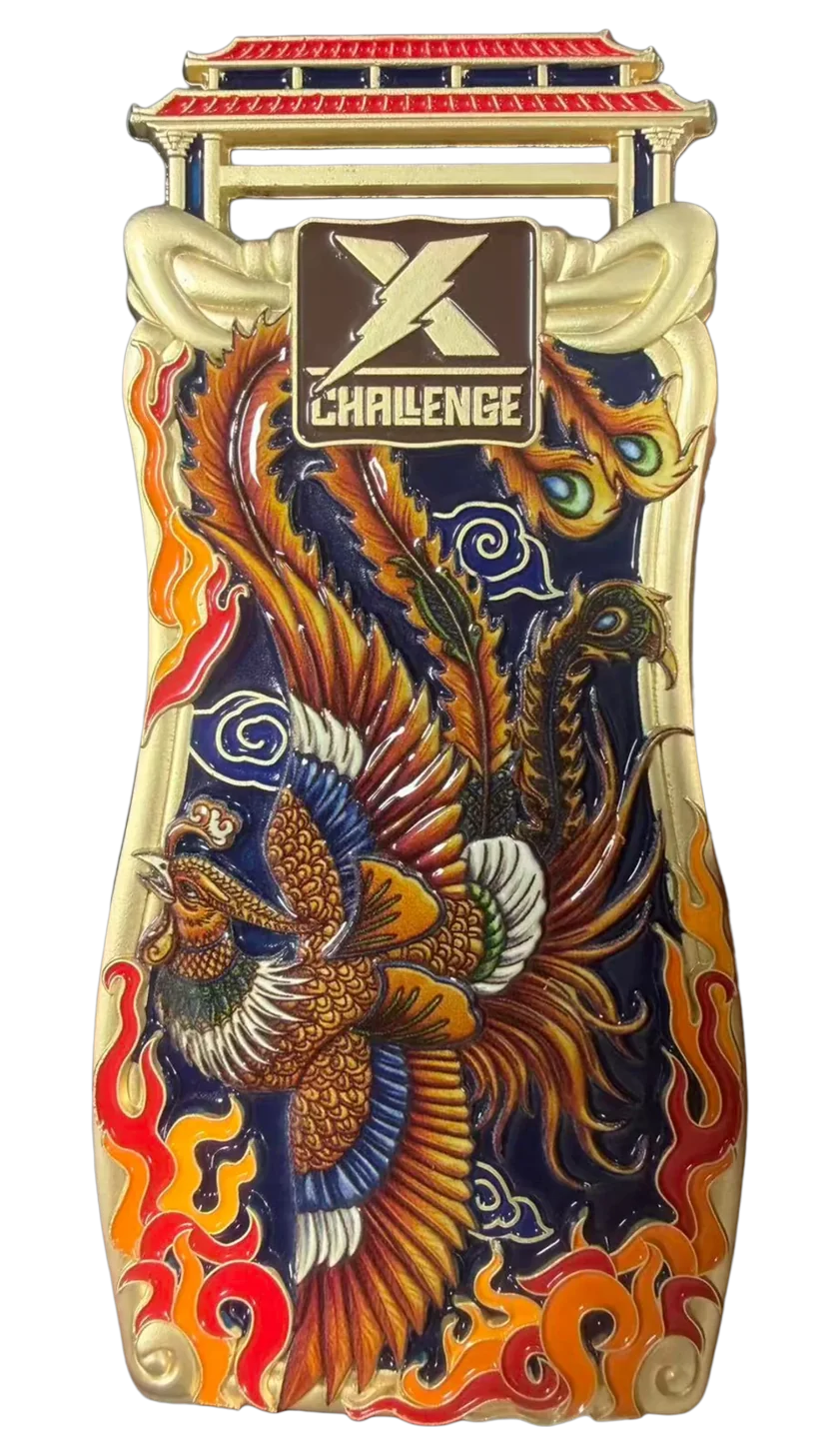
On a long challenge like Dragon, 111.2 miles (179 km) in 88 days, or Phoenix, 86.4 miles (139 km) in 79 days, you build up many sessions back to back. A few minutes of rolling on the evenings your legs feel heavy can help you feel ready for the next day. If one spot stays sore despite rolling, rest it and get it checked. This is general information, not medical advice. See a doctor or physical therapist if pain lasts, gets worse, comes with swelling, or if you have a health condition.
Common questions
- Should foam rolling hurt? It can be uncomfortable, but not painful. Ease off if you tense up.
- How often? Daily is fine if it feels good. After harder runs is a good habit.
- Is a massage gun better? There is less research on them. The 2019 review compared foam rollers with handheld roller sticks and found both had small effects. Use what you like.
- Can rolling fix an injury? No. Pain in one spot, swelling or a limp needs rest and a professional opinion.
Sources
Challenges from this guide
Or take the whole set


More: all guides · how it works · every challenge