
Cold-weather running gear: layers, tights, gloves and hats
Updated · 7 min read
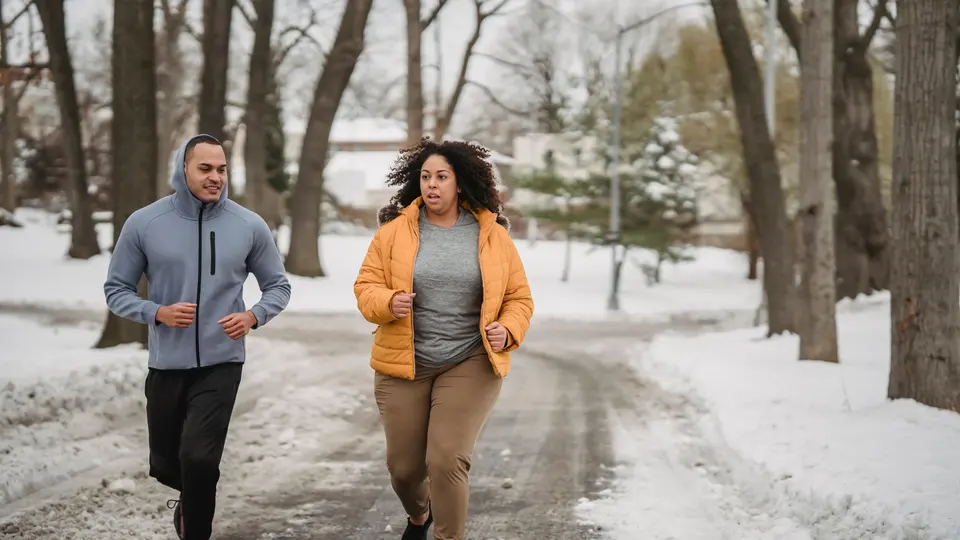
In short: A cold-weather running kit needs five pieces: a wicking long-sleeve base layer, running tights, a light wind-resistant jacket, gloves and a hat or headband. Buy gloves and a hat first, because hands and ears get cold soonest and they cost least. Choose synthetic or merino fabrics and skip cotton, which stays wet and cold. With those five pieces and layering, most runners can keep going outside through a typical US winter, well below freezing.
What a winter kit includes
| Piece | What it does | Usually needed from |
|---|---|---|
| Long-sleeve base layer | Moves sweat off your skin and keeps a thin layer of warmth | The 40s °F |
| Gloves and a headband | Keep the first parts to get cold warm | The 40s °F |
| Running tights | Warm, close-fitting legs that do not flap | The 30s °F |
| Wind jacket | Blocks wind and light rain; unzips as you warm up | The 30s °F, or windy days |
| Hat, mittens, neck gaiter | Cover head, fingers and face in real cold | The 20s °F and below |
Exactly what to wear on a given day depends on wind, sun and how warm you run. For a full chart from hot days to below 20°F, see what to wear running by temperature. This guide covers what to buy and what to look for in each piece.
Base layer and long sleeve
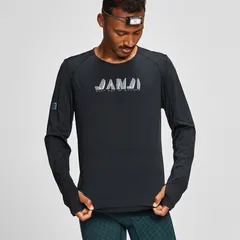
Janji Run All Day Long SleeveMT21C
Men's; quick-drying, UPF 25 base layer
List price at janji.com, checked Nov 6, 2026 · Photo: janji.com
$78Brand site
The layer against your skin does the most work. Look for a close-fitting top in polyester, nylon or merino wool that wicks sweat and dries fast. Thumbholes keep the sleeves over your wrists, and a slightly longer back stays tucked when you lean forward. On its own, a long sleeve covers most runs in the 40s; under a jacket it carries you into the 20s.
Cotton is the one fabric to avoid. It holds sweat, loses its warmth when wet and dries slowly, so you get colder the longer you run. A thin wicking layer under a light jacket is warmer than a thick cotton sweatshirt. Merino costs more but feels warm even when damp and resists odor over back-to-back days.
Running tights
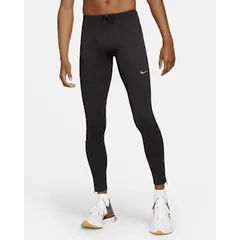
Nike Challenger Dri-FIT Running TightsCZ8830-010
Men's; ankle zips, back phone pocket, reflective details; black sold out when checked
List price at nike.com, checked Nov 6, 2026 · Photo: nike.com
$65Brand site
Running tights fit close, so they keep heat in and do not catch the wind like loose pants. Features worth having:
- Ankle zips, so the tights go on and off over shoes.
- A back or side pocket for a phone, keys or a gel.
- A drawcord waist that stays up when the pockets are full.
- Reflective details for dark mornings and evenings.
- A brushed or fleece lining if you run in the low 20s and below.
If you dislike the feel of tights, running pants with tapered ankles are a fine alternative. Some runners wear shorts over tights for pockets and coverage. Plain shorts work into the 40s for many people, since legs tolerate cold better than hands and ears.
Wind and rain jackets
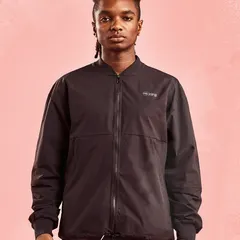
Janji Runaround "Crew Issue" JacketUO05A
Unisex; wind-resistant stretch shell, zip hand pockets
List price at janji.com, checked Nov 6, 2026 · Photo: janji.com
$138Brand site
A running jacket should block wind, shed light rain and let sweat out. A full waterproof shell keeps more rain off but traps more heat and moisture inside, so for most runs a light wind-resistant jacket is the better choice. Look for a full or half zip you can open on the move, vents or mesh panels, and a bright color or reflective trim.
Size it to fit over a base layer, not a sweater. If you already own a light rain shell or windbreaker, try it first; it often does the job. A jacket that packs into its own pocket or ties around your waist easily is worth more than one with extra features.
Hands, head and feet
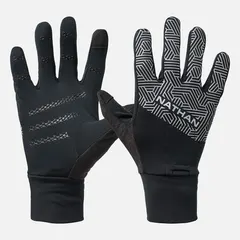
Nathan HyperNight Reflective Gloves 2NS10900-00320-M
Fleece-lined, reflective print, touchscreen tips; for about 30-50°F, per Nathan
List price at nathansports.com, checked Nov 6, 2026 · Photo: nathansports.com
$39Brand site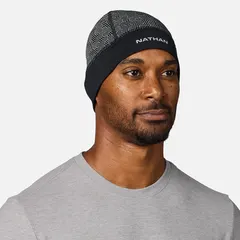
Nathan HyperNight Reflective Beanie 2NS20110-00320-OSFM
Light stretch-knit beanie with reflective print
List price at nathansports.com, checked Nov 6, 2026 · Photo: nathansports.com
$39Brand site
Nathan rates these fleece-lined gloves for about 30 to 50°F. Below that, mittens keep fingers warmer because they share heat, or wear thin gloves under mittens and take one layer off as you warm up. Touchscreen fingertips let you use the phone without bare hands. Both pieces have reflective prints, which helps on dark winter mornings.
A thin headband covers your ears on milder days; a beanie takes over when it is properly cold. A neck gaiter is cheap and versatile: around the neck in the 30s, pulled up over the mouth and nose in very cold or windy weather.
Feet usually stay warm once you move. Wear wicking socks, merino if you have them, and skip thick cotton socks that make shoes tight. Tights or longer socks that cover the ankle close the cold gap at the hem. In snow or slush, a shoe with a grippier outsole or a trail shoe helps. A waterproof shoe keeps feet drier in the wet, though it also holds sweat in.
What to buy first, and caring for it
- Gloves and a headband or hat: the most warmth for the least money.
- A long-sleeve wicking top.
- Running tights.
- A light wind jacket, if you do not already own one that works.
- Mittens, a neck gaiter and lined tights, only if you run in the 20s and below.
Most runners get through a mild winter with the first three. Wash winter kit cold, skip fabric softener, which slows wicking, and air-dry fleece and tights. Hot dryers wear out elastic and reflective prints. Keep gloves and a hat by the door so they never get forgotten.
Staying safe in the cold
The CDC’s winter guidance is to wear several loose layers, cover your head and hands, and stay dry. Getting chilled while wet with sweat or rain is how people end up dangerously cold. Start your run into the wind and come home with it behind you, so the coldest part comes while you are still dry. Bring a dry top and hat if you drive to your run, because you cool fast once you stop.
Get indoors and warm up slowly if your skin goes numb, white or waxy, or if you shiver hard or feel confused. The CDC notes that redness or pain can be the first sign of frostbite, and that hypothermia is a medical emergency. Ask a doctor before running in the cold if you have asthma or a heart condition.
Ice and very low wind chills are good reasons to move indoors. A treadmill session counts toward an X Challenge like an outdoor one when you record it in the app’s indoor mode. A long challenge such as KYLIN, with 68 days to finish, leaves room to skip the worst days. See winter running tips for ice and darkness.
Common questions
- Is it safe to run below freezing? For healthy adults who dress for it, usually yes. Cover skin, watch for ice and keep runs shorter in strong wind.
- How warm should I feel at the start? A little cold for the first ten minutes. Warm at the door means overdressed.
- Can I wear a cotton hoodie as a top layer? For a short walk, yes. For a run, it soaks up sweat and gets heavy and cold.
- Why are my hands always cold? Blood goes to working muscles first. Mittens, or thin gloves under mittens, help more than thicker gloves.
- Do walkers need more? Yes. Walking makes less heat than running, so add a layer, and warmer gloves.
- What about the dark? Winter runs are often in the dark, so add reflective gear and a light. See running lights and reflective gear.
Sources and prices
Prices are list prices at the brand’s own store on the day checked. They change, and sales are common, so check the live page before you buy. We picked by specs, fit notes and price; we have not run in every item. Where a product is men’s, the brand sells a women’s version at about the same list price.
Challenges from this guide

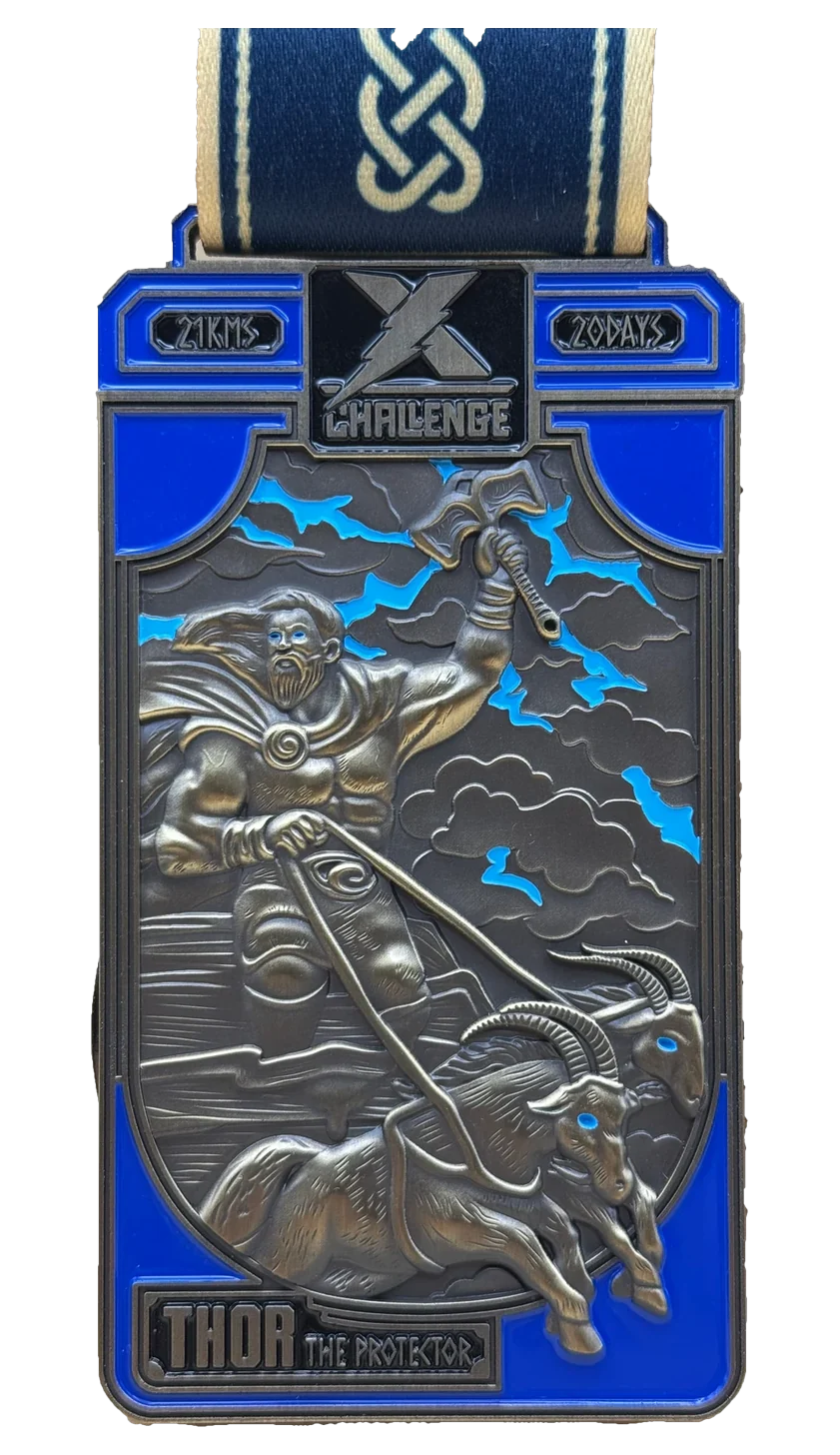
Or take the whole set


More: all guides · how it works · every challenge