
What to wear running by temperature: a °F chart
Updated · 6 min read

In short: A common rule is to dress for a run as if it were 15 to 20°F warmer than the thermometer says, because you heat up fast once you start. You should feel a little cold at the door. Above 60°F, shorts and a short-sleeve shirt suit most people. From 40 to 50°F add long sleeves and light gloves. Below 30°F wear tights, a base layer, a windproof top, a hat and gloves. Adjust for wind, rain, sun and humidity, and for how warm or cold you usually run.
The 15 to 20 degree rule
Running makes a lot of heat. Ten minutes in, your body feels much warmer than the air. So runners dress for a temperature about 15 to 20°F above the real one. At 40°F, dress for 55 to 60°F. At 20°F, dress for about 40°F.
Use the low end of the range for easy runs and walks, and the high end for hard efforts and races. On a 35°F morning, an easy run calls for about 50°F clothing, while a fast workout calls for about 55°F clothing. If you run cold, or the run is long and slow, err warmer. RRCA, the national association of running clubs, suggests that a bit too much clothing you can shed is better than too little.
The chart
| Temperature | Top | Bottom | Extras |
|---|---|---|---|
| Above 70°F | Light, loose short-sleeve or singlet | Shorts | Cap or visor, sunglasses, sunscreen |
| 60–70°F | Short-sleeve technical shirt | Shorts | Sunscreen |
| 50–60°F | Short or light long sleeve | Shorts | Light gloves if breezy |
| 40–50°F | Long-sleeve technical shirt | Shorts or light tights | Light gloves, headband |
| 30–40°F | Long sleeve plus a light jacket or vest | Tights or running pants | Gloves, hat or headband |
| 20–30°F | Base layer plus a wind-resistant jacket | Tights | Warm hat, gloves, neck gaiter |
| 10–20°F | Base layer, mid layer, windproof jacket | Thermal tights, or tights with wind briefs | Mittens, warm hat, gaiter over the face |
| Below 10°F | Three layers with a windproof shell | Thermal tights, maybe a shell over them | Mittens with liners, balaclava; consider indoors |
This is a starting point. Keep notes for a few weeks of what you wore and how it felt at the end, and you will soon have your own chart.
What changes the chart
| Factor | Adjustment |
|---|---|
| Wind | Dress as if it were colder. Add a windproof shell and cover ears and hands |
| Rain | Dress a band warmer below 50°F, add a water-resistant shell and a brimmed cap |
| Full sun | Dress a band cooler. Sun makes it feel warmer |
| High humidity in summer | Wear as little as you comfortably can, in light colors |
| Long, slow run or walk | Dress warmer; you make less heat |
| Hard workout or race | Dress cooler; you make more heat |
| Out-and-back route | Pack a layer for the return if the wind turns against you |
Two official numbers help. The National Weather Service heat index tells you how hot it feels once humidity is counted, and full sun can add up to 15°F to it. Its wind chill tells you how cold it feels on exposed skin when the air is at or below 50°F and the wind is above 3 mph.
Fabric and layers
- Base layer: thin, close-fitting, moisture-wicking synthetic or merino wool. Never cotton, which holds sweat and chills you.
- Mid layer: a light fleece or thermal top, only for the coldest days.
- Outer layer: a wind-resistant or water-resistant shell with a zip, so you can vent heat.
- Zips and pockets matter. A half-zip top lets you cool down without stopping.
- Tights with wind panels on the front help on cold, breezy days.
Synthetic fabrics dry fastest and cost less. Merino wool stays warm when damp and smells less after a sweaty run, but it costs more and dries slower. Many runners use synthetic tops in summer and a merino base layer in deep winter.
For socks, shirts and shorts in detail, see running socks and clothes. These two basics cover most of the year from about 50°F up:
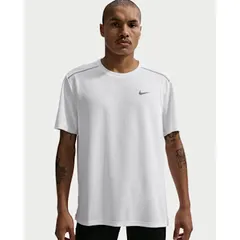
Nike Miler Dri-FIT Short-Sleeve Running TopIF2082-100
Men's; 100% recycled-content polyester, reflective details
List price at nike.com, checked Nov 6, 2026 · Photo: nike.com
$37Brand site
adidas Own The Run ShortsJX2243
Men's
List price at adidas.com, checked Nov 6, 2026
Prices are the brand’s list price on the day checked. Some links are affiliate links: as an Amazon Associate, X Challenge earns from qualifying purchases, at no extra cost to you.
Three mornings, three outfits
- Chicago in March, 38°F with a 15 mph wind. The wind makes it feel colder, so dress for the 30–40°F band and lean warm: tights, a long sleeve under a wind jacket, gloves and a headband. Start into the wind.
- Seattle in November, 52°F and steady rain. Dress a band warmer for the rain: long sleeve, shorts, a light water-resistant shell, a brimmed cap and wicking socks.
- Houston in July, 82°F and very humid at 6 a.m. Wear as little as you comfortably can: a singlet or light tee, shorts, a cap and sunscreen. Carry water and slow down.
Walkers make less heat than runners, so if you mix walking and running, or walk your whole session, dress a band warmer than the chart suggests.
Hands, head and feet
Your hands, ears and toes get cold first, because your body sends warm blood to your core. Light gloves earn their place from about 45°F for many people. Mittens are warmer than gloves below 20°F, since your fingers share heat. A thin hat or headband covers your ears.
RRCA notes that the old idea that you lose most body heat through your head is false. You lose heat from any skin you leave uncovered. Cover what you can on cold days, and keep your face covered when the wind chill is well below zero.
Safety at the extremes
- Heat: RRCA advises against running outside when it is above 98.6°F and humidity is above 70 to 80%. See running in the heat.
- Cold: below zero, exposed skin can freeze in about 30 minutes, RRCA notes, and wind makes it faster.
- Wet and cool: the CDC notes that hypothermia can happen at cool temperatures if you get wet and chilled. Change out of wet clothes quickly.
- If you shiver hard, feel numb or get confused, stop and get warm. See running through winter.
Common mistakes
- Dressing to feel warm when you step outside. You will be too hot by mile one.
- Wearing a cotton hoodie as a winter layer.
- Leaving gloves at home because your hands "always warm up".
- Wearing one heavy jacket instead of thin layers you can open.
- Forgetting that a walk-run plan makes less heat than a steady run.
- Ignoring the wind forecast and dressing only for the thermometer.
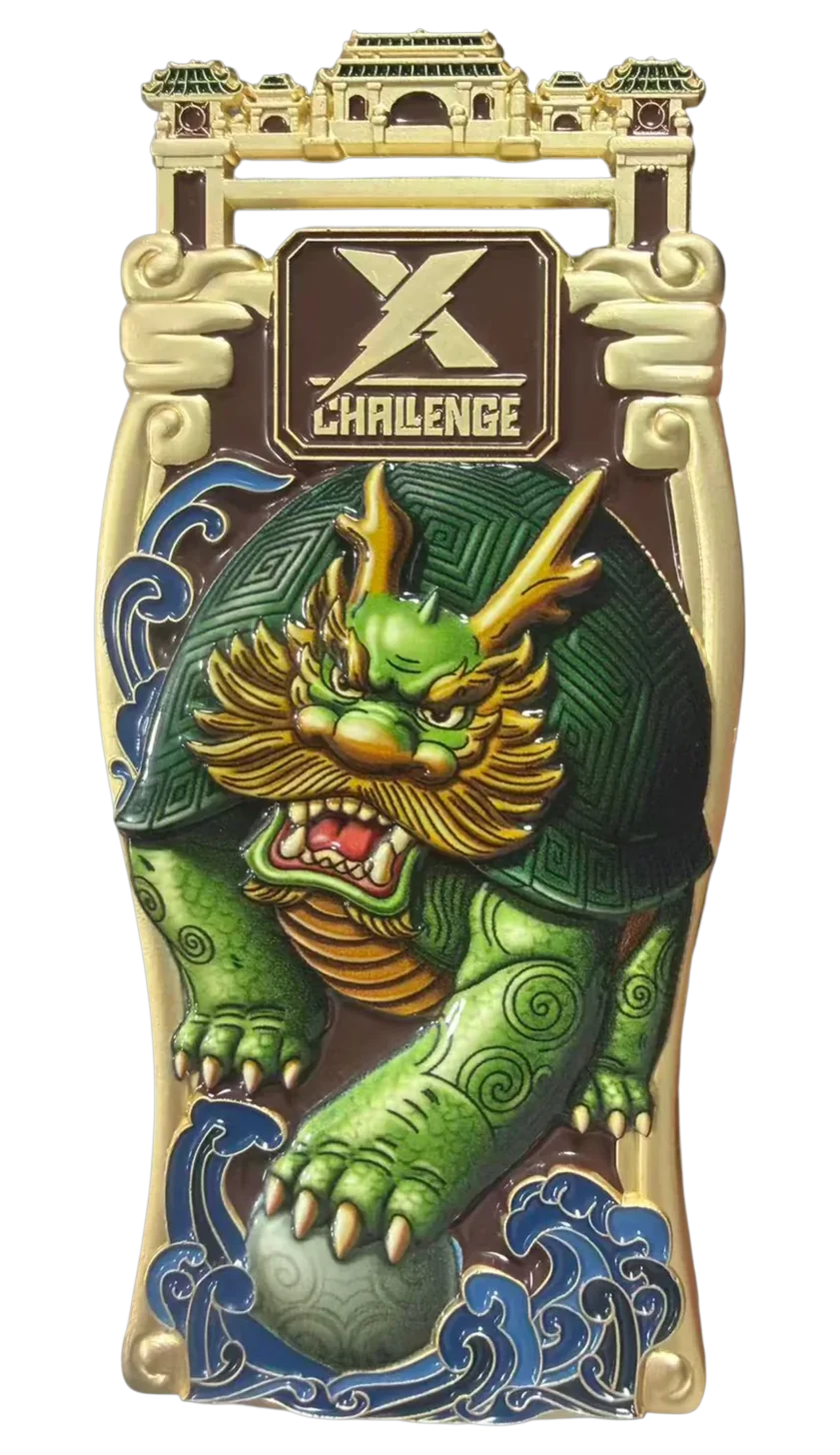
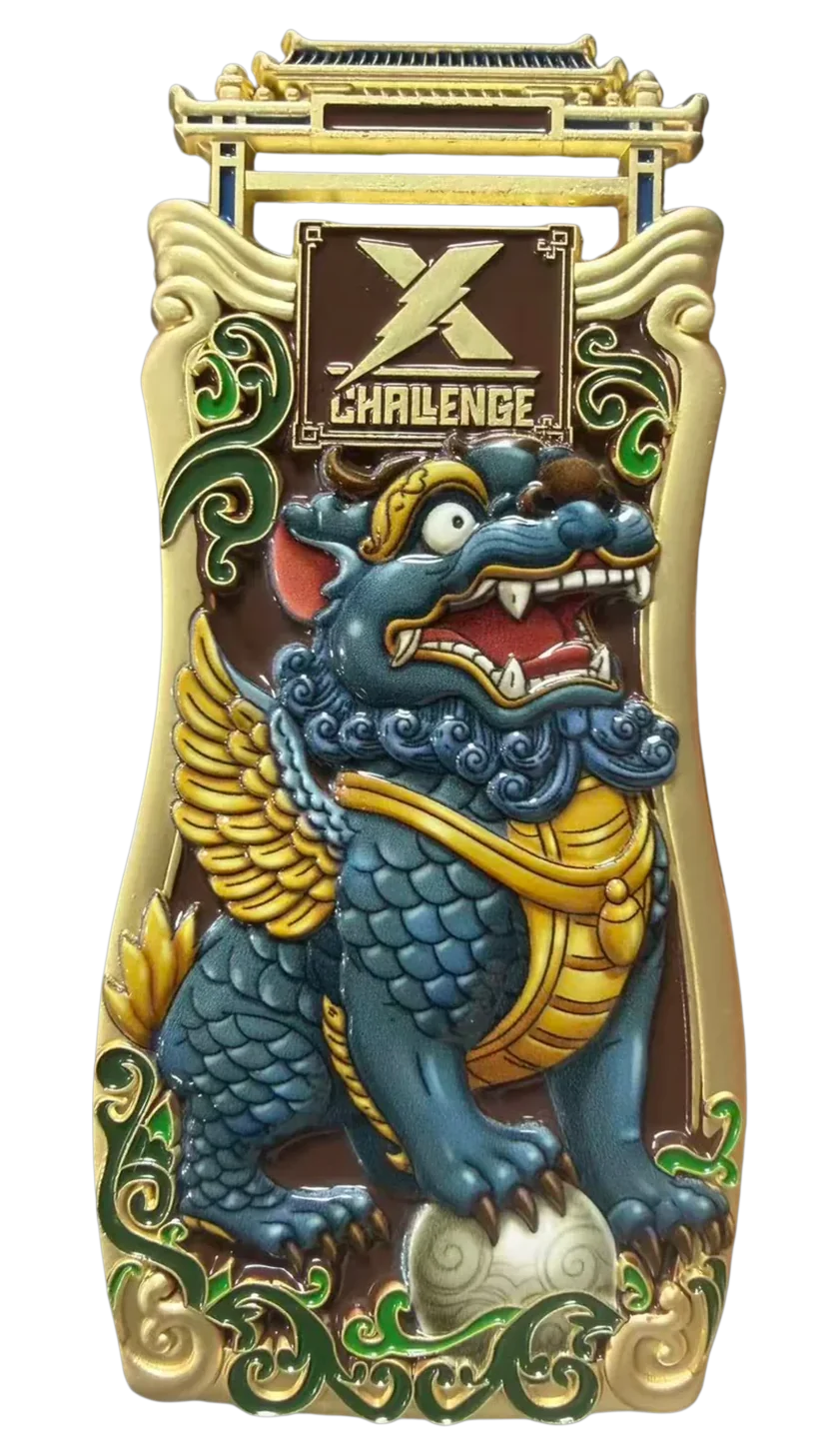
Getting dressed right is half the battle on a long winter goal like TURTLE, 39 days, or KYLIN, 68. The app records every session, outdoor or indoor, so on the days no clothing makes it pleasant, a treadmill counts the same.
Common questions
- What should I wear running at 50°F? Shorts and a short or light long-sleeve shirt suit most people. Add light gloves if it is windy.
- What should I wear running at 40°F? A long-sleeve technical shirt, shorts or light tights, light gloves and a headband.
- What should I wear running at 30°F? Tights, a long sleeve with a light jacket, gloves and a hat.
- What should I wear running at 20°F? A base layer and a wind-resistant jacket, tights, a warm hat, gloves and a neck gaiter.
Sources
Challenges from this guide
Or take the whole set

More: all guides · how it works · every challenge