
What to do when a dog chases you while running
Updated · 6 min read
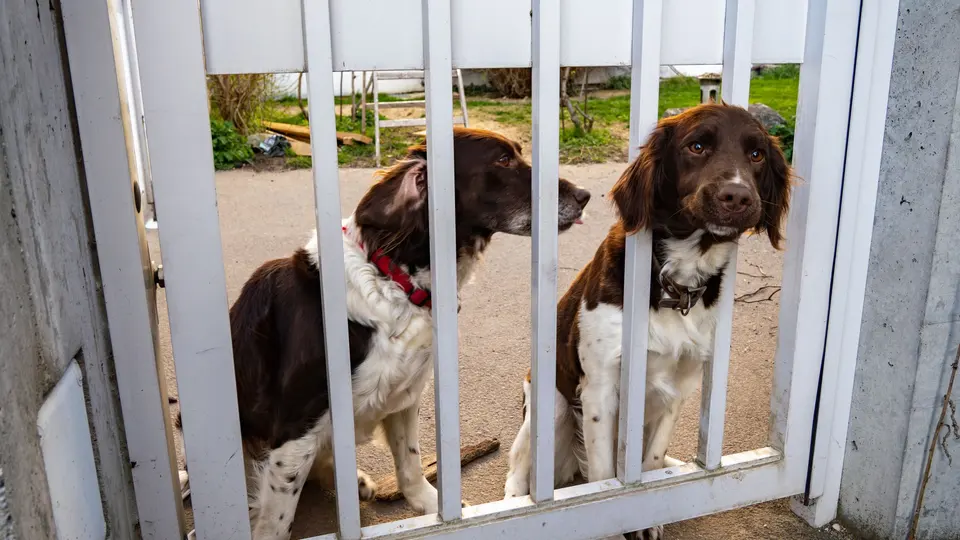
In short: If a dog runs at you, stop running. Stand still and calm, turn your body sideways, and avoid staring into its eyes. Say "No" or "Go home" in a firm, deep voice, then wait for the dog to lose interest or back away slowly. Running away can trigger a chase. If a dog knocks you down, curl into a ball and cover your head, neck and ears with your hands. After a bite, wash the wound well with soap and water, get medical care for deep wounds, and report the bite to animal control.
In the moment
Most dogs that rush at runners are guarding a yard or excited by movement. Your goal is to become boring. The CDC’s advice for an unfamiliar dog that approaches you is close to this list.
- Stop running and stand still. Walk if you must move.
- Stay calm. Keep your hands by your sides or folded in front of you.
- Turn your body side-on to the dog, so you look less like a challenge.
- Avoid direct eye contact. Watch the dog from the corner of your eye.
- Say "No" or "Go home" in a firm, low voice.
- Wait for the dog to leave, or back away slowly until it is out of sight.
- Only start running again once you are well clear.
Reading the dog
Most dogs that bark at you are making noise, and stop at the edge of their yard. A few signs suggest a dog is more serious, and that you should stop, stand still and give it extra room:
- A stiff, still body, leaning forward.
- Raised fur along the back.
- A low growl, bared teeth or a hard stare.
- Ears pinned back or pricked hard forward.
- A tail held high and rigid rather than wagging loosely.
- Silent, direct approach rather than barking and bouncing.
A loose, wiggly dog with a wagging tail and a play bow is usually friendly, but it can still trip you or jump up. Slow down either way.
Why running away rarely works
A dog will outrun you over a short distance, and a fleeing shape is exactly what sets off a chase. Screaming and waving your arms can do the same. Standing still gives the dog nothing to chase, and most will sniff, bark and lose interest.
If the dog keeps coming, put something between you and it: a mailbox, a parked car, a tree, or a water bottle held out low. Many runners find that a calm, firm "Sit!" works, since lots of dogs know the word.
Picture it. You are two miles into a morning run and a dog bolts out of an open gate, barking. You stop and turn side-on, arms by your sides. You say "Go home" firmly and watch it from the corner of your eye. It circles, sniffs your shoe and trots back to its yard. You walk on twenty yards before you start running again. Most encounters end like that.
In the dark you may not see a dog until it is close. A headlamp often picks up its eyes before its body. That gives you a few seconds to slow down.
If a dog knocks you down or bites
The CDC’s advice if a dog knocks you over is to curl into a ball and protect your head, neck and ears with your hands. Stay still until the dog moves away.
| Situation | What to do |
|---|---|
| Any bite or scratch | Wash the wound thoroughly with soap and water |
| Minor wound | Apply antibiotic cream and cover with a clean bandage |
| Deep wound | Press a clean, dry cloth on it to stop bleeding and get medical care right away |
| Bleeding will not stop, or you feel faint or weak | Call 911 |
| Wound looks infected, or the dog’s rabies vaccination is unknown | See a healthcare provider, who may check with the health department about rabies treatment |
| Every bite | Report it to local animal control or the police |
If you can, get the owner’s name and address and whether the dog is vaccinated. Take a photo of the dog and the place. That helps animal control and your doctor.
Preventing it on your usual routes
- Note the houses where dogs rush the fence or run loose, and route around them.
- Cross to the far side of the street before you reach a yard with a loose dog.
- Slow to a walk as you pass an unfenced yard with a dog in it.
- Talk to the owner if a loose dog is a regular problem. Most will fix it once they know.
- Call animal control about a dog that is often loose or acts aggressively. The CDC suggests calling them about any dog running loose.
- Never reach out to a dog you do not know, even one that seems friendly. Ask the owner first.
Passing dogs on paths
RRCA, the national association of running clubs, suggests warning dog owners as you come up behind them, so they can control their dog. A friendly "Runner behind you, passing on your left" a few strides back does the job. Give extra space to dogs on long or retractable leashes, which can swing across the whole path.
On trails, dogs off leash are common even where rules say otherwise. Slow down when you see one, and let the owner call it back before you pass. A quick "Thanks!" as you go by keeps paths friendly for everyone, runners and dog owners alike.
Running with your own dog
- Keep your dog leashed and under control unless a sign says otherwise, as RRCA advises on trails.
- Pick up after it, every time.
- Start with short runs and build up slowly. Young puppies and some breeds are not suited to long runs, so ask your vet.
- Watch for hot pavement in summer. If it is too hot for your hand, it is too hot for paws.
- Bring water for the dog on warm days.
Deterrents and what to carry
Most runners never need more than the steps above. Some carry a whistle or a dog deterrent spray on routes with a known problem. If you consider a spray, check your local rules, practice using it, and remember it can blow back at you in the wind. A phone to call 911 or animal control is the most useful thing to carry.
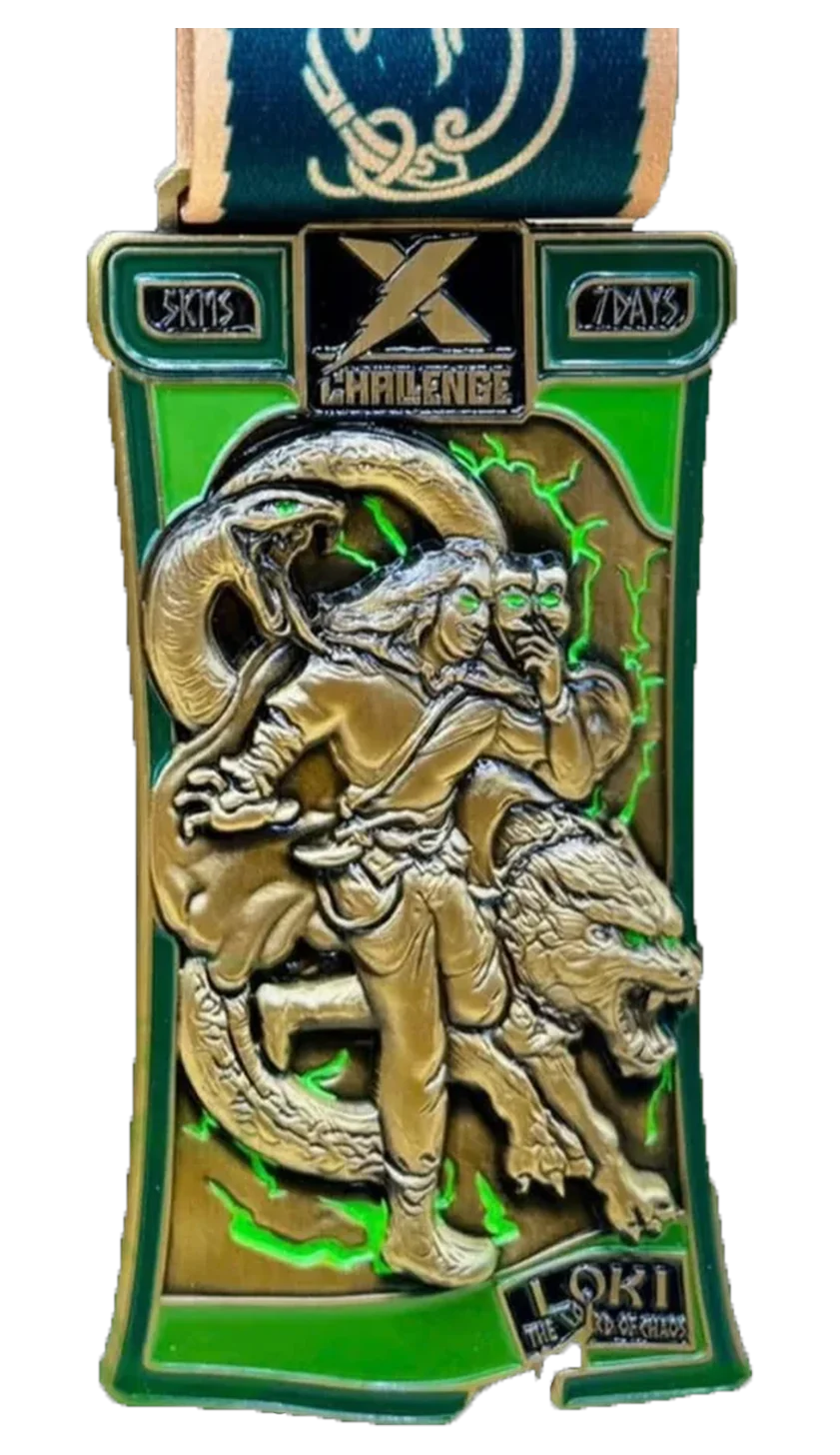
If one stretch keeps giving you trouble, change routes. The app adds every session together, so you can finish LOKI or KYLIN on loops where you know every yard. A treadmill counts too, see treadmill virtual runs.
Common questions
- Should you run from a dog? No. Running often triggers a chase. Stop, stand still and side-on, and wait.
- Should you make eye contact with a dog that approaches you? Avoid staring into its eyes. Watch it from the side.
- Do I need a doctor for a small dog bite? Wash it well. See a healthcare provider if it is deep, looks infected, or you do not know the dog’s rabies status.
- Should I report a dog that chased me but did not bite? If it was loose or aggressive, calling animal control can stop it happening to someone else.
Sources
Challenges from this guide

Or take the whole set


More: all guides · how it works · every challenge