
Treadmill virtual runs: a beginner’s guide
Updated · 6 min read
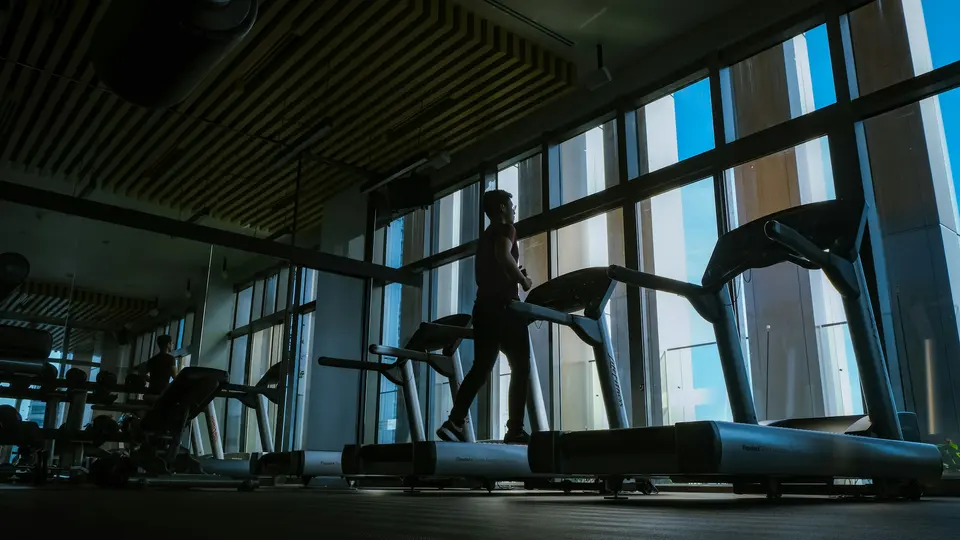
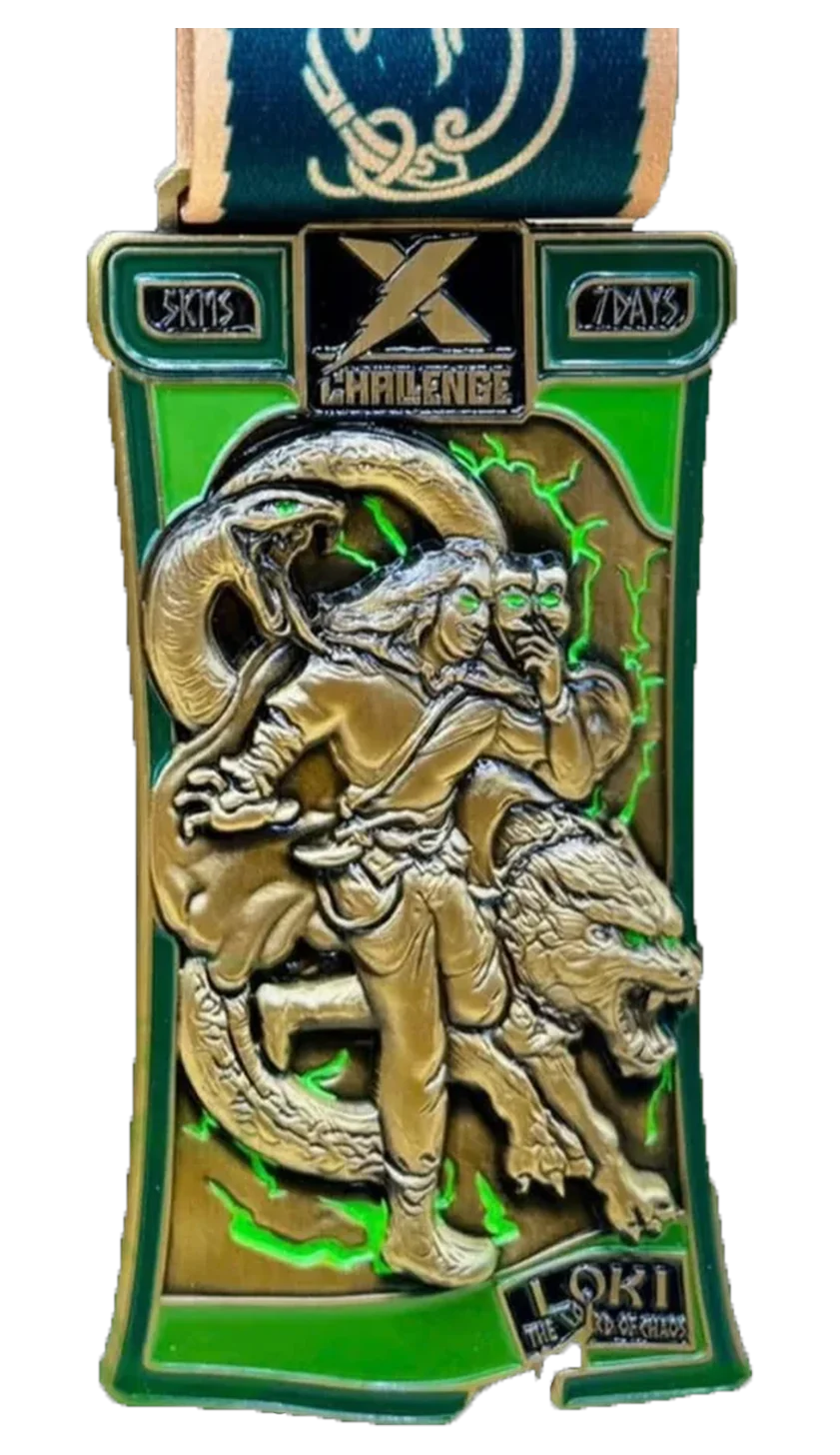
In short: A treadmill counts for most virtual races, but check each event’s rules and how it wants the distance recorded. On X Challenge a treadmill session counts the same as one outdoors: record it in the app’s indoor mode and it adds to your total. A good beginner goal is LOKI, 5 km in 7 days, which is about 0.7 km a day. A die-cast medal ships when you finish. $45.
A four-week start
| Week | Main part of each session | Time |
|---|---|---|
| 1 | Brisk walk, with 1-minute easy jogs every 4 minutes | 20 minutes |
| 2 | Brisk walk, with 2-minute easy jogs every 4 minutes | 20 minutes |
| 3 | Alternate 3 minutes jogging and 2 minutes walking | 25 minutes |
| 4 | Alternate 5 minutes jogging and 2 minutes walking | 30 minutes |
Repeat any week that felt hard, and finish with five minutes of walking. If you have a health condition, are pregnant, or have not exercised in a long time, check with a doctor before you start.
If you only want to walk
Skip the jogs and build walking time instead. Start at a speed where you could chat, often 2.5 to 3 mph for a new walker. Each week, add five minutes or raise the speed by 0.2 mph, not both. By week 4, 30 minutes at 3 to 3.5 mph is a solid brisk walk, and about 1.5 to 1.75 miles a session.
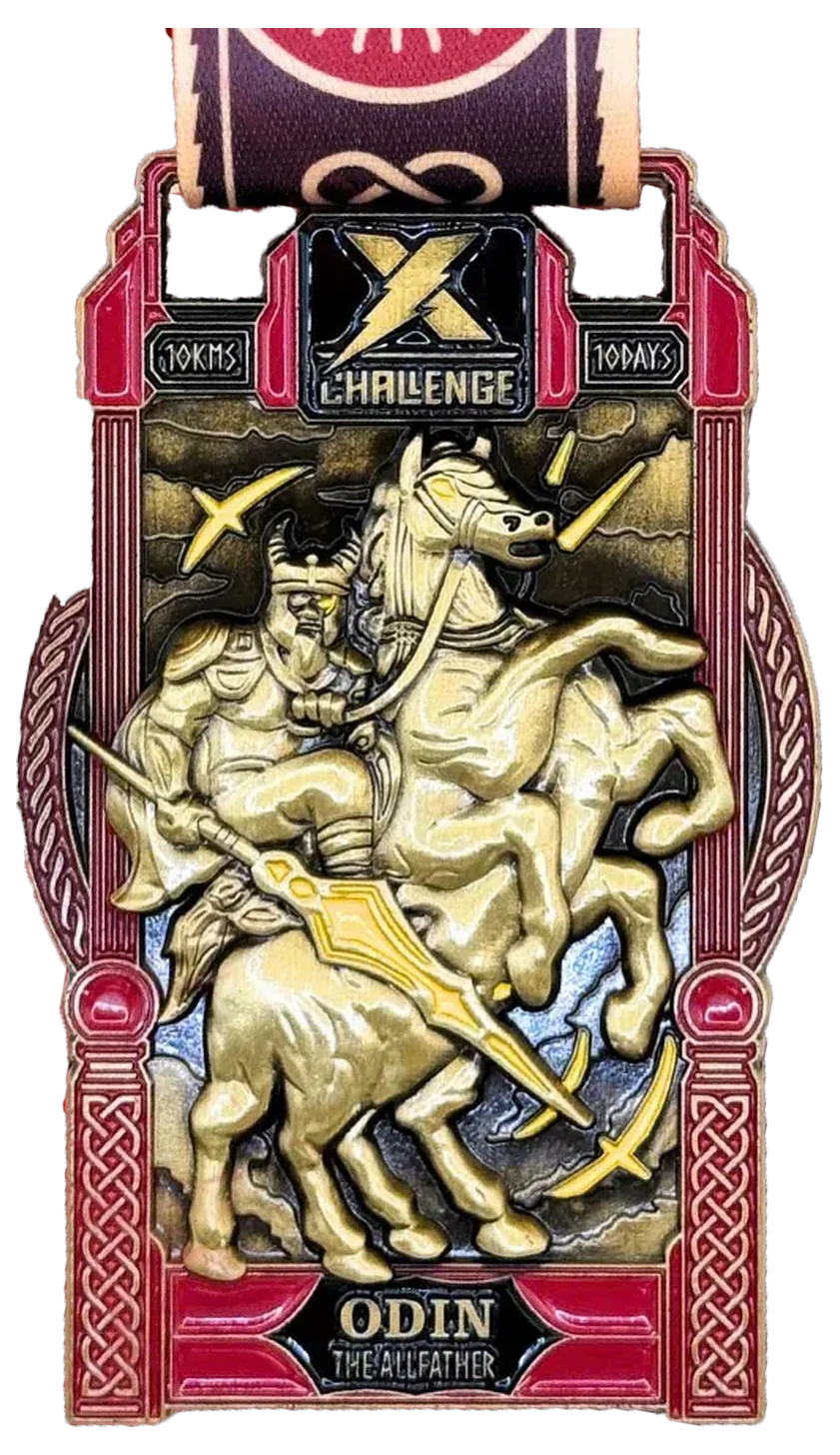
At that rate, three sessions cover LOKI inside its window, and four or five inside 10 days cover ODIN. Want more work without walking faster? Raise the incline. See incline treadmill walking.
Treadmill tips and safety
- Set a 1% incline if you want running to feel closer to outdoors. Many runners do.
- Look ahead rather than down at your feet, and keep the safety clip on.
- Hold a pace at which you could still talk. Treadmills make it easy to go too fast.
- Walk or run in the middle of the belt, not near the front edge or the back.
- Try not to grip the handrails. Holding on changes your stride and makes the session easier than the display suggests.
- Bring water. Indoors, with no moving air, you heat up faster. A fan helps a lot.
- Clip the safety key to your clothing every time. If you slip, it stops the belt.
- Leave several feet of clear space behind the machine in case you come off the back, and keep it away from walls and furniture.
- Keep children and pets out of the room while it runs. Remove the key and unplug it when you finish.
- Step onto the side rails before you start the belt, and stand on them again before you stop.
- Slow down gradually at the end rather than hitting stop at full speed.
Stop if you feel chest pain, dizziness or unusual shortness of breath, and get medical help if it does not pass quickly.
Treadmill or outdoors?
| Treadmill | Outdoors | |
|---|---|---|
| Weather | Never a problem | Rain, ice, heat and dark can stop you |
| Pace | Set exactly, easy to hold | Varies with hills, wind and crossings |
| Surface | Even and a little forgiving | Uneven, which works more small muscles |
| Distance | From indoor mode or the console | From GPS |
| Boredom | The hardest part for most people | New routes and things to look at |
Most people do best with a mix: outdoors when the weather is good, the treadmill when it is not. Both add to the same total, so a wet week does not have to cost you a medal. In a hot Texas or Arizona summer the treadmill is often the safer choice in the afternoon. In a snowy January in Chicago or Boston it may be the only way to keep a streak going.
Reading the console
Most US treadmills show speed in miles per hour, while running plans often talk in minutes per mile. This table converts the common settings.
| Speed | Pace per mile | Pace per km | Feels like |
|---|---|---|---|
| 3.0 mph | 20:00 | 12:26 | Steady walk |
| 3.5 mph | 17:09 | 10:39 | Brisk walk |
| 4.0 mph | 15:00 | 9:19 | Fast walk or very easy jog |
| 5.0 mph | 12:00 | 7:27 | Easy jog for many beginners |
| 6.0 mph | 10:00 | 6:13 | Steady run |
How the distance is recorded
GPS does not work on a treadmill, so virtual races handle it differently. Some accept a photo of the console, others a watch or an app. On X Challenge you record the session in the app’s indoor mode. You need no Strava or Garmin account, and treadmill and outdoor sessions add to the same total.
Treadmill consoles and phones measure indoor distance in different ways, so the two numbers may not match exactly. That is normal. Pick one method and stick with it so your sessions compare fairly. If you use a watch indoors, a few outdoor walks first help it learn your stride, which can make its indoor distance closer. Older gym treadmills can drift out of calibration too, which is another reason not to worry about small gaps.
Once you are comfortable
Once 30 minutes feels easy, you can make treadmill time do more without adding minutes. Keep one of these a week and make the rest easy.
- Hill intervals: after a warm-up, walk 2 minutes at a 4 to 6% incline, then 2 minutes flat. Repeat five times.
- Speed steps: raise the speed by 0.2 mph every 3 minutes until talking gets hard, then come back down the same way.
- Steady long session: 45 minutes at an easy pace, the same effort the whole way. Good for building toward a 10K.
- Walk-jog ladder: jog 1 minute, walk 2, jog 2, walk 2, jog 3, walk 2, then back down.
- Save a podcast or a show for treadmill sessions only. It turns the session into a treat.
- Change something every five minutes: speed, incline or arm swing. Short blocks feel shorter.
- Cover the console with a towel and check the time only at the end.
- Split a long session into two shorter ones on busy days. Both add to your total.
- Set a small goal for each session, such as one more minute of jogging than last time, and tick it off.
After your first 5 km, the next step up is the guide from 5K to 10K and the ODIN challenge. Not sure how fast to go? Use the pace calculator.
Common questions
Is a treadmill mile easier than one outside? A little, mainly because there is no wind or uneven ground. Many runners set a 1% incline to make up for it.
Can I do a whole challenge on a treadmill? Yes. Every indoor session counts toward the same distance.
What about a walking pad? It works the same way. Most walking pads have a lower top speed, so they suit walking better than running.
How long does 5 km take on a treadmill? About an hour at 3 mph, 47 minutes at 4 mph, and 37 minutes at 5 mph.
Sources
- How to avoid exercise injuries (MedlinePlus, NIH): warm up slowly, cool down for 5 to 10 minutes, do not raise frequency, length and effort all at once, and stop if you feel pain.
- Adult Activity: An Overview (CDC): adults need 150 minutes of moderate activity a week, such as brisk walking, plus muscle-strengthening on two days.
- How to Measure Physical Activity Intensity (CDC): walking at 2.5 mph or faster counts as moderate intensity, and during moderate activity you can talk but not sing.
Challenges from this guide
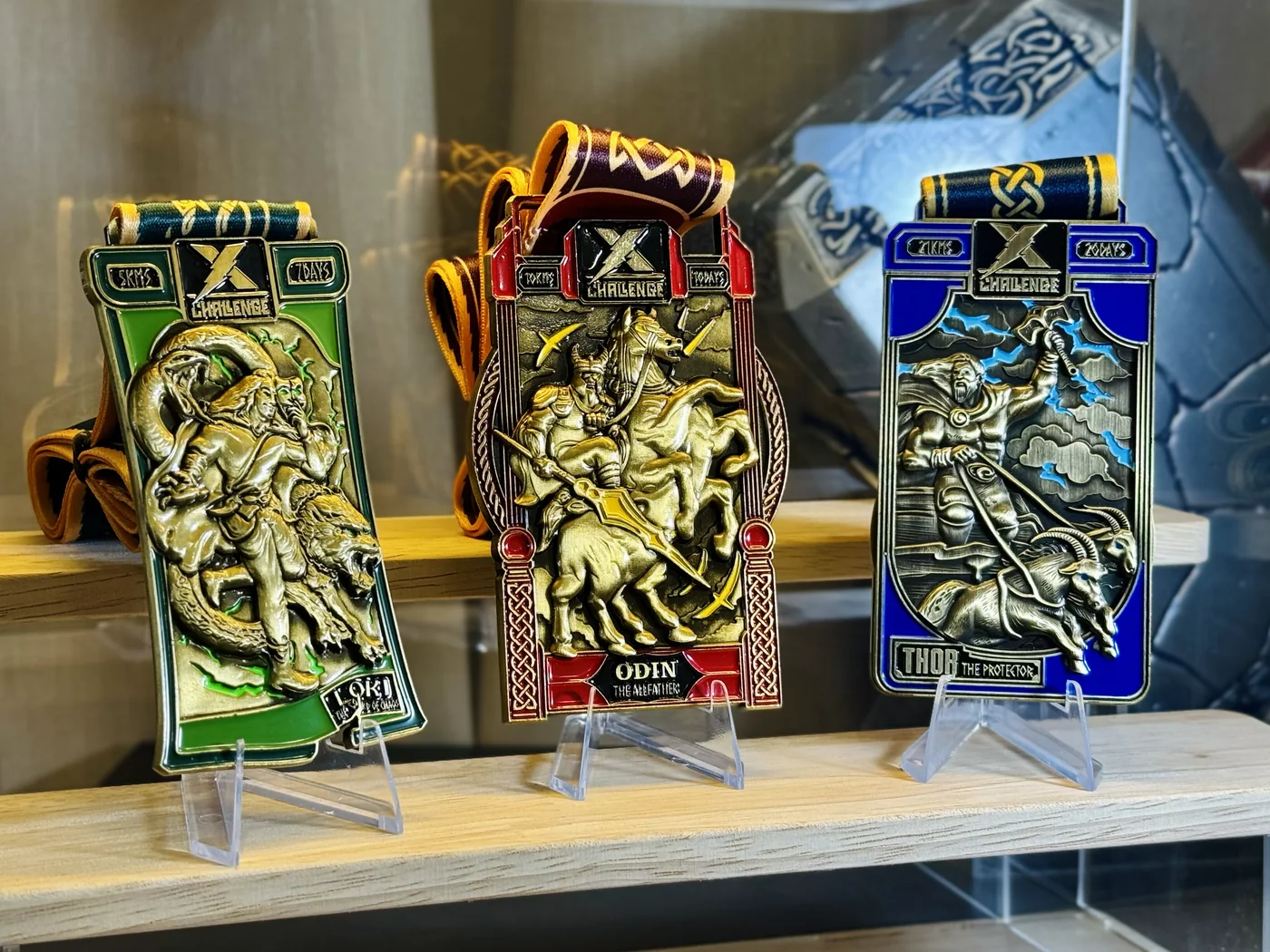
Or take the whole set
More: all guides · how it works · every challenge