
Running alone safely
Updated · 6 min read
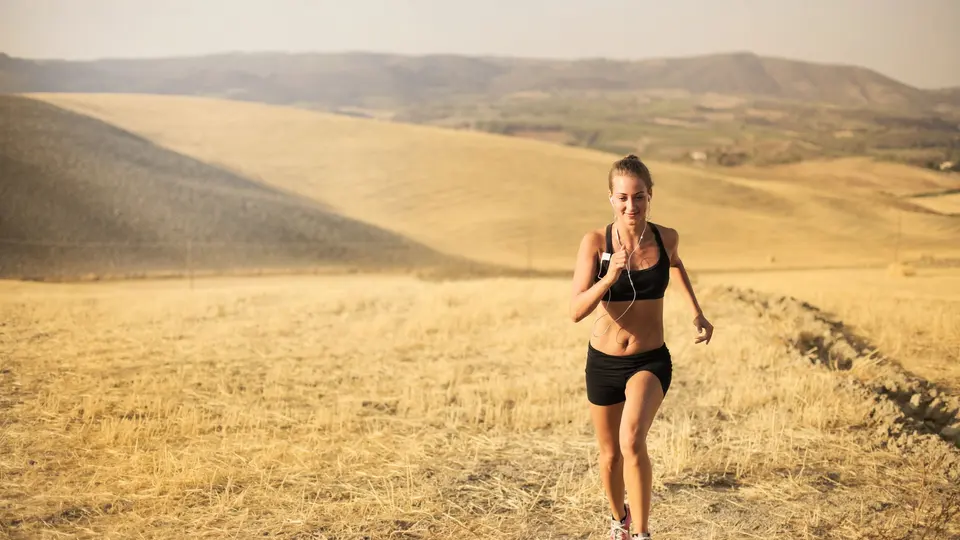
In short: Running alone is safer when someone knows where you are and when to expect you, when you run where other people are around, and when you can hear and see what is happening near you. Carry your phone and ID, share your location, and vary your routes and times. If a place or a person feels wrong, turn around and head somewhere busy. You do not need a reason, and you do not owe anyone a conversation.
Eight habits
- Tell someone your route and when you expect to be back. A text is enough.
- Turn on location sharing or a tracking feature while you run.
- Choose places with other people around, and lighting after dark.
- Vary your times and routes so nobody can predict them, and think twice before posting routes publicly.
- Keep one earbud out, or the music off.
- Carry your phone, ID and an emergency contact.
- Trust your instincts: change direction, cross the street or head somewhere busy.
- Leave expensive things at home.
These follow the safety tips published by the Road Runners Club of America (RRCA), the national association of US running clubs. None of them take long, and together they cover most of what goes wrong.
Before you leave
| Check | Why |
|---|---|
| Phone charged | For calls, location sharing and the app recording your run |
| Someone knows your route and return time | So they notice if you are late |
| ID or medical ID | So responders know who you are and who to call |
| Light and reflective gear if it might get dark | To be seen by drivers and others |
| Route you know | So you can change course easily |
| Weather checked | So you are not caught out far from home |
Most phones let you set up a medical ID on the lock screen with your emergency contacts. Do it once and it is there on every run. A few other settings are worth the same five minutes:
- Live location sharing. Both iPhone and Android can share your location with a contact for a set time. Turn it on as you leave and off when you are home.
- Live tracking on a watch. Many GPS watches send a link that lets someone follow your run, see GPS running watches by budget.
- Incident or fall detection. Some watches can alert a contact if you fall hard and do not respond.
- Emergency SOS. Learn the button press on your phone that calls 911 without unlocking it.
- Privacy zones in running apps. Hide the start and end of your runs so your home address is not on a public map.
Tech helps only if it is charged and set up before you leave. Test location sharing with a friend once, so you both know how it looks.
Choosing where and when
RRCA suggests planning routes in areas you know, where you can easily change course. Busy parks, popular running paths and residential streets with people around are good solo routes. Empty industrial areas, isolated trails and unlit paths are better saved for when you have company.
Time matters as much as place. A path that is full of runners at 7 a.m. on a Saturday can be empty at 6 a.m. on a Tuesday in January. If your only free time is early or late, pick the busiest, best-lit option and keep the loop short.
Traveling is when solo runners are most exposed, because you do not know which streets feel wrong. RRCA suggests finding a local running club when you travel and asking hotel staff about safe routes. Run your first loop in daylight, and keep a card or a little cash for a ride back if you get lost.
Trails add distance from help. Cell service can drop out, and a twisted ankle a few miles in is a long walk back. RRCA suggests telling someone your route and expected return time, and carrying a paper map in unfamiliar areas. Stick to popular trails when you run alone, and keep the music off so you can hear bikes and wildlife. See trail running safety.
Staying aware on the run
- Keep your head up and look ahead, not at your watch.
- Notice who is around you, and whether the same person or car keeps appearing.
- Keep the volume low enough to hear footsteps, bikes and engines, especially on quiet paths.
- Run toward oncoming traffic, so a car cannot pull up behind you unseen.
- Know where the open stores, gas stations and busy streets are along your route.
If something feels wrong
Trust the feeling. RRCA’s advice is to leave and get to a secure place if a person or area feels unsafe. Turn around, cross the street, or head into a store or toward other people. You can finish the run later.
- Ignore catcalls and comments and keep moving. You do not have to respond.
- If someone follows or threatens you, go to a busy place and call 911.
- Get to safety first. Record details or video only if you can do it safely.
- Afterward, report it to the police, and tell your running club or local group so others know.
Some runners take a self-defense class, which RRCA also suggests. It can make you more confident and teaches you how to break away from someone.
Run with others, and look out for them
RRCA notes that women and people of color often face harassment while running. If you see a runner being followed, harassed or in distress, check on them and help them get somewhere safe, even if it means stopping your own run. Call 911 if it is serious. Speak up when friends think harassing runners is a joke.
Running with others is both safer and easier to keep up, see running with friends and groups. Many running stores and clubs host free weekly group runs. The Medal Hunters group is where X Challenge finishers share their medals and progress, and a good place to find someone to run with.
A challenge does not need a quiet road
Every session the app records adds up, so you can run several short loops somewhere busy instead of one long run through empty stretches. LOKI is 3.1 miles (5 km) in 7 days. ODIN averages about 0.6 miles a day. That is a few laps of a busy park. Indoor sessions count too, see treadmill virtual runs.
Common mistakes
- Running the same route at the same time every day and posting it publicly.
- Heading out with a phone at 5% battery.
- Wearing both earbuds at full volume on an empty path.
- Pushing on past someone who makes you uneasy because you do not want to cut the run short.
- Telling nobody where you are going because it is "only a short run".
Common questions
- Is it safe to run alone at night? It can be, on lit, busy routes you know, with your location shared. See running in the dark.
- Should I share my runs publicly? Turn on privacy zones around your home, and avoid posting the same route at the same time every day.
- What should I carry? Phone, ID, a light if it may get dark, and a key. Leave the rest at home.
- Do I need a personal alarm? Some runners carry one. Habits like route choice and staying aware matter more.
Sources
Challenges from this guide


Or take the whole set

More: all guides · how it works · every challenge