
Running and air quality: when to stay inside
Updated · 6 min read
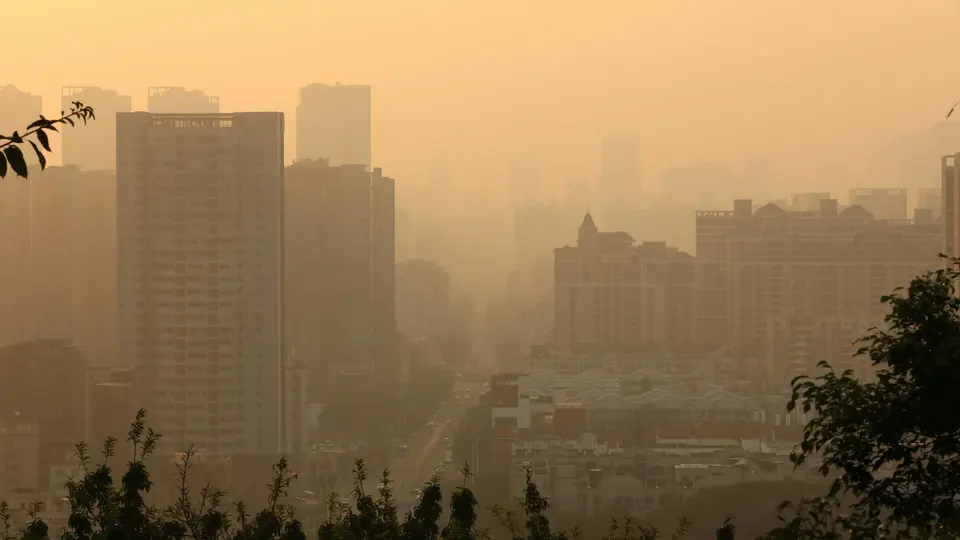
In short: Check the Air Quality Index before you run. Up to 50 is good, 51 to 100 is moderate and fine for most people, and 101 to 150 is unhealthy for sensitive groups, who should take it easy. Above 150 is unhealthy for everyone. Run indoors, walk gently or rest. Wildfire smoke can push the index far higher, sometimes for days, so plan indoor sessions for those stretches. If you have asthma or heart or lung disease, ask your doctor which levels suit you.
Running at each AQI level
The AQI runs from 0 to 500 and uses six colors. The higher the number, the more pollution and the greater the health concern. AirNow, the federal air quality site, publishes current readings and next-day forecasts for most of the US.
| AQI | Color and level | What AirNow says | For your run |
|---|---|---|---|
| 0–50 | Green, good | Little or no risk | Run as normal |
| 51–100 | Yellow, moderate | Acceptable, some risk for unusually sensitive people | Fine for most; sensitive people watch how they feel |
| 101–150 | Orange, unhealthy for sensitive groups | Sensitive groups may feel effects | Sensitive groups ease off or move inside; others keep it easy |
| 151–200 | Red, unhealthy | Some of the general public may feel effects | Run indoors or keep to an easy walk |
| 201–300 | Purple, very unhealthy | Health alert for everyone | Skip outdoor runs |
| 301 and higher | Maroon, hazardous | Emergency conditions | Stay indoors |
Who counts as a sensitive group
AirNow lists people with lung diseases such as asthma, older adults and children as more at risk. For particle pollution it adds people with heart disease. For ozone it also lists adults who are active outdoors, which includes you on a run.
Running raises your risk because you breathe much more air, often through your mouth, which filters less than your nose. So an orange day that barely bothers someone walking to the car can feel different on mile three of a tempo run.
If you have asthma, carry your rescue inhaler on every run and ask your doctor for a plan that says what to do at each AQI level. Pollen is a separate problem. The AQI does not include it, so a green air day can still be a bad allergy day. Check the pollen forecast too if spring and fall runs leave you wheezing.
Ozone and particles behave differently
| Ozone | Fine particles (PM2.5) | |
|---|---|---|
| Where it comes from | Forms in sunlight from vehicle and industrial emissions | Smoke, traffic, industry, dust |
| When it is worst | Hot, sunny afternoons in summer | Wildfire smoke days, winter inversions, rush hour near busy roads |
| Symptoms AirNow lists | Coughing, throat irritation, burning in the airways, chest tightness, wheezing, shortness of breath | Eye, nose and throat irritation, coughing, phlegm, chest tightness, shortness of breath |
| Best timing | Early morning, before ozone builds | Whenever the reading is lowest; check the hourly map |
AirNow shows which pollutant is driving the reading. On an ozone day, a 6 a.m. run often sits in the green while the afternoon turns orange. On a smoke day, timing helps less, because smoke can sit over a region all day.
Wildfire smoke
Smoke from fires in the West and in Canada now reaches much of the country in some summers. AirNow’s smoke advice is to limit outdoor exercise when it is smoky, or choose lower-intensity activities, and it names running as the kind of strenuous activity to avoid when the air looks or smells smoky.
- Check the AirNow Fire and Smoke Map, which updates more often than the daily forecast.
- Trust your senses. If you can smell smoke or see haze, treat it as a poor air day whatever the app says.
- Smoke can change fast. The EPA suggests waiting for better conditions and planning outdoor activity for cooler, less smoky times of day.
- Smoke days often come in runs of several days. Plan your week around indoor sessions rather than hoping each morning.
Masks and running
AirNow says cloth masks will not protect you from wildfire smoke, and the EPA says the same of dust masks and surgical masks. A well-fitted N95 or P100 respirator filters fine particles, but any leak around the edge lets smoke in.
A respirator also makes breathing harder, and the EPA notes that exertion while wearing one can raise the risk of heat illness. That makes it a poor match for running. On bad days, moving your run indoors makes more sense than running in a mask. If you have heart or lung disease, ask your doctor before using a respirator at all.
A simple plan for poor air days
- Check the AirNow forecast the night before, and the current reading before you leave.
- Green or yellow: run as planned. If you are sensitive and it is yellow, keep the effort easy.
- Orange: swap hard sessions for easy ones, shorten the run, or go early. Sensitive groups move indoors.
- Red or worse: treadmill, indoor track, gym bike, or a rest day.
- Stay away from busy roads during rush hour on any day. Parks and side streets usually have cleaner air.
- Stop and head inside if you notice coughing, wheezing or chest tightness during a run.
| Option | Good for | Watch out for |
|---|---|---|
| Treadmill at home or a gym | Easy runs and steady sessions | Boredom on long runs; set the incline to 1% if it feels too easy |
| Indoor track | Short runs and intervals | Tight bends; change direction if allowed |
| Stationary bike or elliptical | Low-impact days and recovery | Feels easier than running at the same effort |
| Mall or big-box store walking | Easy walks for anyone | Opening hours |
| Rest day | Days when nothing appeals | Nothing. A rest day is part of training |
At home, keep windows shut on smoke days and run a portable air cleaner if you have one. A treadmill next to an open window brings the smoke inside with you.
Keeping a challenge on track
Treadmill sessions count the same in the app, see treadmill virtual runs. The longer windows also leave room to wait out a smoky week. KYLIN gives you 68 days for 54.7 miles (88 km), about 0.8 miles a day on average, so losing four or five days to smoke does not sink it. LOKI is short enough to finish indoors in a week.
Common mistakes
- Checking the AQI from yesterday instead of the current hour.
- Doing a hard interval session on an orange day because you feel fine.
- Running along a busy road at rush hour when a park is a few blocks away.
- Relying on a cloth mask during smoke.
- Ignoring a cough that starts on a smoky run.
Common questions
- Is AQI 100 OK for running? For most healthy adults, yes. If you have asthma or another lung or heart condition, watch how you feel and keep it easy.
- Is AQI 150 too high to run? It is the top of the orange band. Sensitive groups should move indoors; others can do a short, easy run, though many choose to skip it.
- Does an indoor run really help on smoke days? Indoor air is usually cleaner, especially with windows shut and a filter running, and you breathe it at the same rate.
- What if I feel fine on a red day? Effects can show up later, and the AQI describes risk across a population. A day off costs you little.
Sources
Challenges from this guide


Or take the whole set


More: all guides · how it works · every challenge