
Road safety for runners
Updated · 6 min read
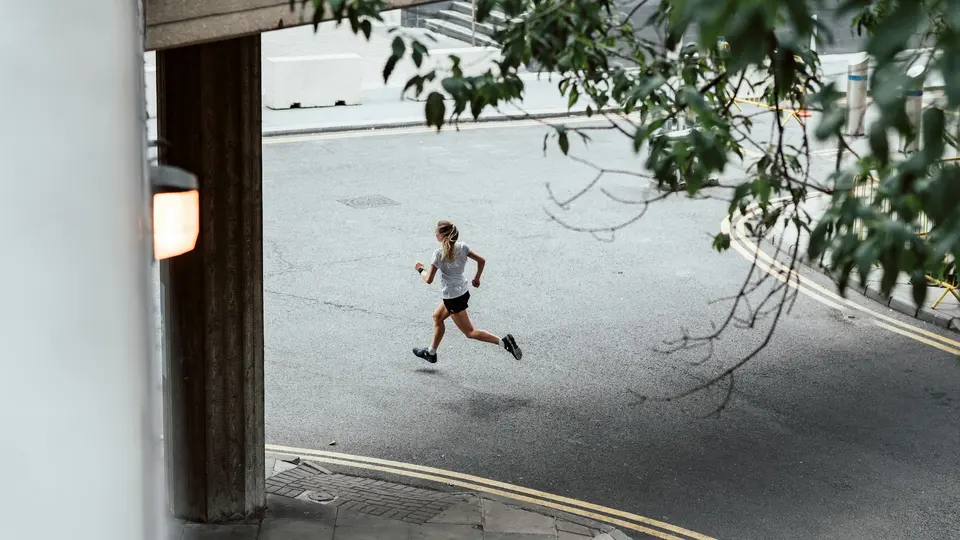
In short: Use sidewalks and paths wherever they exist. Where there are none, run on the shoulder facing oncoming traffic so you can see drivers and step aside. Cross at crosswalks or lights, make eye contact with drivers before you step out, and never assume a driver has seen you. Keep the volume low or one earbud out, wear something bright, and pick quieter streets, parks and trails when you can.
What the numbers say
NHTSA counts anyone on foot as a pedestrian, and its definition names running and jogging. In 2024, 7,080 pedestrians were killed in traffic crashes in the US, about one every 74 minutes. An estimated 71,635 more were injured.
- 84% of those deaths were in urban areas.
- 73% happened away from intersections, mostly on open stretches of road.
- 76% happened in the dark.
- Nearly one in four involved a hit-and-run driver.
The pattern points to the same few habits: stay off the roadway when you can, be visible, and cross where drivers expect you.
Which side of the road
Sidewalk or path first. NHTSA’s advice for anyone on foot is to use a sidewalk or path when there is one, and otherwise to walk on the shoulder facing traffic. The same goes for running.
Facing traffic means you see every car before it reaches you. You can read whether the driver is drifting, and you have a second to step onto the grass. With your back to traffic you have no warning at all.
One exception many runners make is a sharp bend to the left. A driver coming round it may not see you until late. Cross to the outside of the bend where you are visible from further away, then cross back once the road straightens.
Crossings and intersections
- Cross at crosswalks or intersections. That is where drivers expect people on foot.
- Where there is no crossing, pick a well-lit spot with a clear view both ways and wait for a real gap.
- Make eye contact with drivers. A wave back means they have seen you. A blank stare means wait.
- Watch for drivers turning right on red. They are looking left for cars and may never look your way.
- Keep watching while you cross. A second car can pass the one that stopped for you.
- Pause your watch at lights rather than darting across on a flashing hand.
Driveways, paths, strollers and dogs
- Cars backing out of driveways and parking spaces often cannot see you over a hedge or another car. Slow down and look.
- Gas station and store entrances work like intersections. Treat them the same way.
- On shared paths, keep right and pass on the left. Call out before you pass walkers and cyclists.
- Stop and look at every road that crosses a path. Drivers may not yield.
- Run single file on narrow roads with others, and no more than two abreast on paths.
A running stroller sticks out ahead of you, so it reaches the curb and the crosswalk first. Stop a full stroller length back at crossings, and never push it out between parked cars. Use the wrist strap so it cannot roll into the road if you trip.
A dog should run on a short leash on the side away from traffic. Teach it to stop at curbs. Drivers often do not see a dark dog at night, so a light or reflective collar helps as much as your own gear.
Headphones and distraction
NHTSA’s reminders for pedestrians include staying alert and not letting phones or audio players take your eyes and ears off the road. RRCA, the national association of running clubs, suggests keeping the volume low enough to hear what is around you.
In practice: one earbud out, or open-ear headphones, or music off near busy roads. Do not read messages while you run near traffic. Stop on the sidewalk if you must.
Big vehicles, glare and bad weather
- Trucks and buses have large blind spots beside and behind them. Never pass close to a turning truck, and wait for it to clear the corner before you cross.
- Sunrise and sunset glare can blind drivers for a few seconds. Take extra care at crossings when the sun is low behind you, since that is the direction drivers are looking into.
- Rain cuts visibility and lengthens stopping distances. Wear brighter colors and a light, even in the day.
- Snowbanks narrow roads and bury shoulders. In snow, RRCA suggests avoiding roads, since drivers have less room to steer and stop.
- Wet leaves and painted crosswalk lines get slick. Shorten your stride when you cross.
If a driver gets too close
Close passes happen, and most are carelessness. Get to safety first. Do not chase a car or argue at a light. If a driver hits you or threatens you, RRCA’s advice is to get somewhere safe, then call the police, and to record what happened only if you can do so safely. Note the plate, the color and make of the car, the time and the place while it is fresh.
If one stretch of road keeps giving you close calls, take it off your route. Most cities also let you report a dangerous crossing or a missing sidewalk to their transportation department.
Choosing a route
| Route | Traffic risk | How to run it |
|---|---|---|
| Park loop or greenway | Low | Watch road crossings at the entrances |
| Residential streets with sidewalks | Low to moderate | Look out for driveways and parked cars pulling out |
| Main road with sidewalk | Moderate | Stay on the sidewalk, cross only at lights |
| Rural road with a shoulder | Moderate | Face traffic, wear bright colors, pick daylight |
| Road with no shoulder and fast traffic | High | Avoid, especially in the dark |
| School track | Very low | Check public hours first |
Short loops in a park beat one long route with many intersections. Early mornings on weekends are usually the quietest time on the roads.
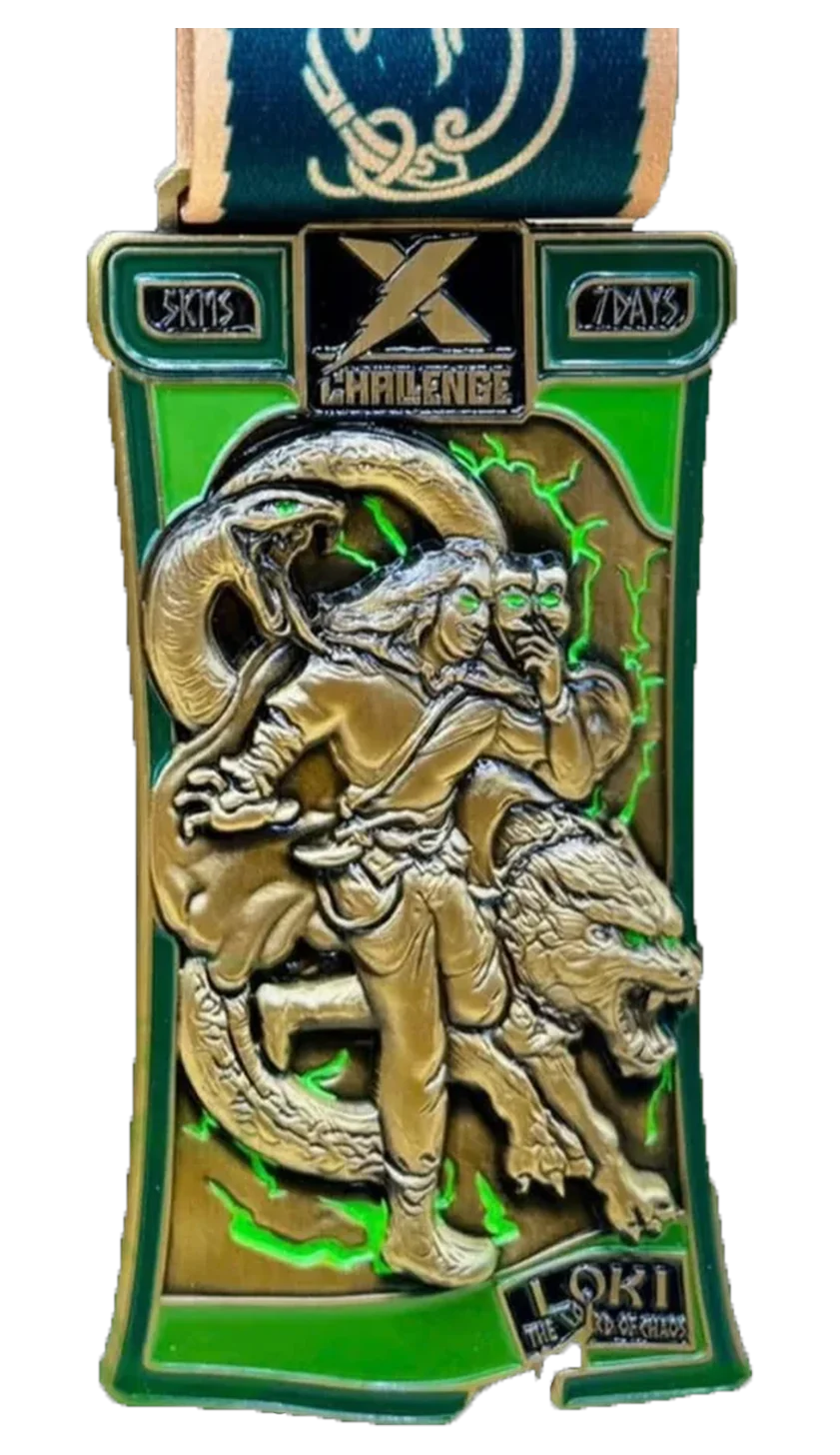
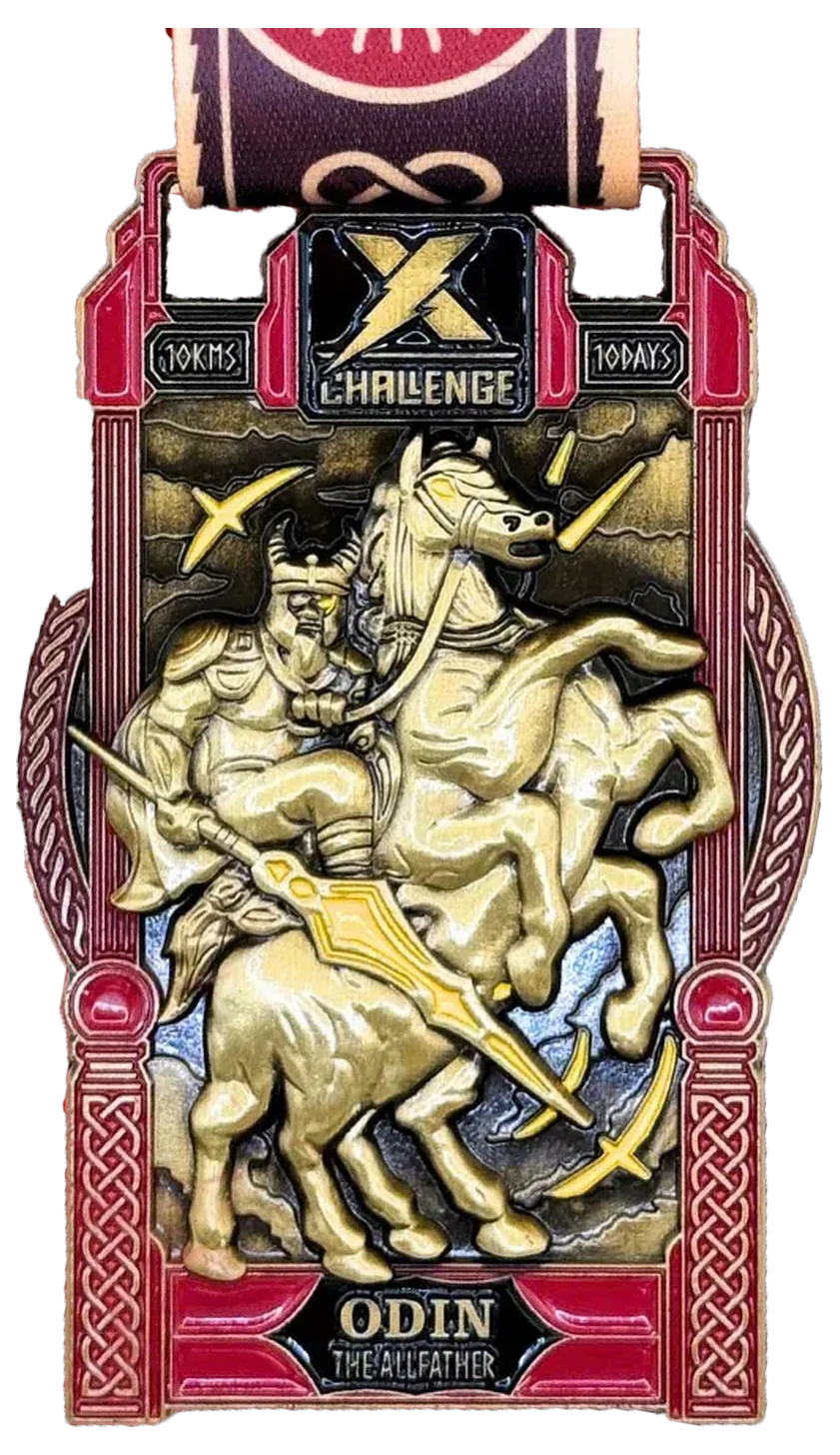
When the roads are too busy, a treadmill session counts the same in the app, see treadmill virtual runs. Outdoor and indoor sessions add to one total, so LOKI, 3.1 miles (5 km) in 7 days, can be done entirely in a park or a gym. ODIN works the same way. See also running in the dark.
Common mistakes
- Assuming a driver who is looking your way has actually seen you.
- Stepping off the curb the moment the walk signal changes, before turning cars have stopped.
- Running with traffic at your back on a road with no sidewalk.
- Crossing mid-block from between parked cars.
- Saving your phone check for the moment you reach a crossing.
Common questions
- Should you run with or against traffic? Against, so you face oncoming cars, unless a sidewalk or path is available.
- Is it legal to run on the road? Rules vary by state and city. Many require you to use a sidewalk where one exists. Check your local rules.
- Are bike lanes OK for running? They are meant for bikes, and cyclists come up quietly from behind. Use a sidewalk or path where you can.
- What should I wear near traffic? Bright colors in daylight, and reflective gear plus a light at dawn, dusk and night.
Sources
Challenges from this guide
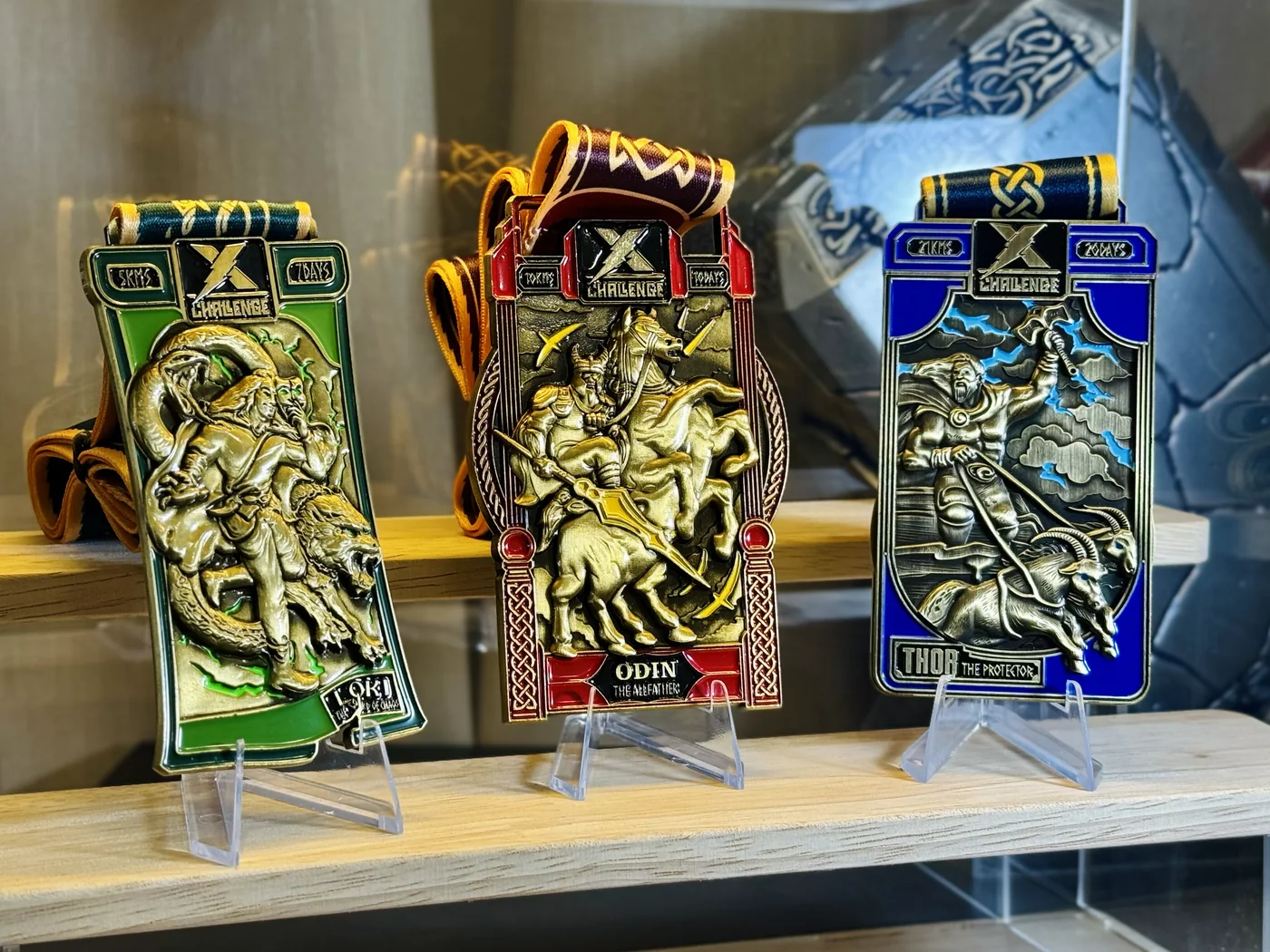
Or take the whole set
More: all guides · how it works · every challenge