
Running in the rain: what to wear and when to stay in
Updated · 6 min read
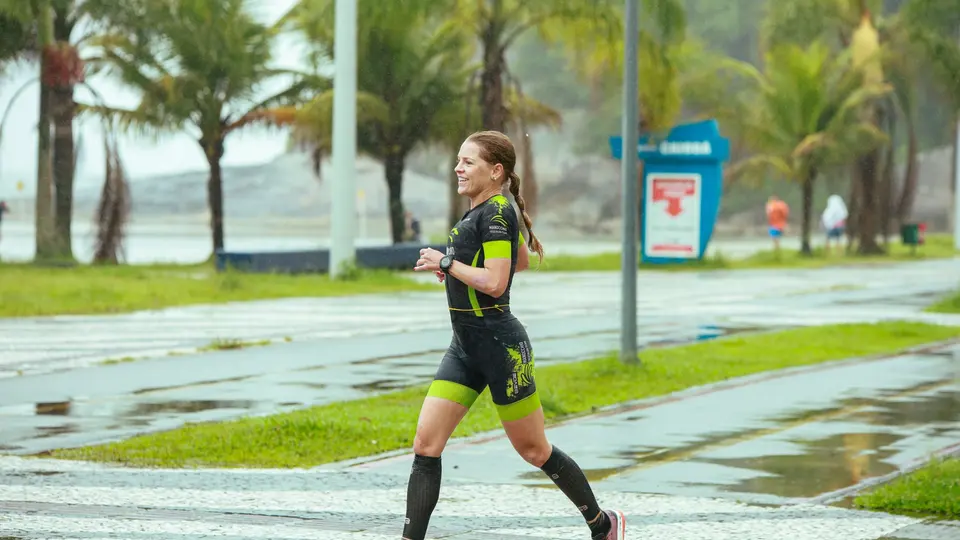
In short: Rain on its own is safe to run in. Wear a brimmed cap, a light water-resistant shell if it is cool, wicking socks and no cotton, and accept that you will get wet. Shorten your stride on painted lines, metal covers and wet leaves. Three things change the answer. If you hear thunder, go indoors and wait 30 minutes after the last rumble. Never run through moving floodwater. In cold rain, keep the run short and change out of wet clothes quickly, because getting chilled can lead to hypothermia.
Rain is fine; these three things are not
A wet run can be one of the best of the month. The air is cool, the paths are empty, and you feel tough by the end. Most of the risk comes from what travels with the rain.
| Condition | Run? | Why |
|---|---|---|
| Light or steady rain, mild temperatures | Yes | You get wet, nothing more |
| Heavy rain, poor visibility near roads | Shorten it, stay off busy roads | Drivers see less and need longer to stop |
| Thunder heard, or lightning seen | No, go indoors | You are likely within reach of lightning |
| Flooded paths, streams over crossings | No, turn around | Moving water can knock you over |
| Cold rain near freezing, or freezing rain | Short run or indoors | Wet plus cold chills you fast; ice forms on surfaces |
Thunder means indoors
The National Weather Service’s rule is "When thunder roars, go indoors." There is no safe place outside when a thunderstorm is in the area. NOAA notes that lightning can strike more than 10 miles from where the rain is falling, so a dry patch of sky over you does not mean you are safe.
- Head for a solid building or a hard-topped car with the windows up.
- Rain shelters, small sheds and open vehicles do not protect you.
- Go at the first rumble. Do not wait for the rain to start or get heavier.
- Stay inside for 30 minutes after the last thunder, even if the rain has stopped.
- Check the forecast before long runs on summer afternoons, when storms often build.
If storms are likely, plan a loop that passes your home, a gym or a store every mile or so, rather than an out-and-back that takes you far from shelter.
Floodwater and slick ground
The Weather Service warns that just 6 inches of fast-moving floodwater can knock over an adult, and that it is never safe to walk into floodwater. Greenways and creek paths are often the first places to flood. If water is running over a path or an underpass, turn around. "Turn around, don’t drown" applies on foot as much as in a car.
- Painted road lines, crosswalk stripes, metal manhole covers and wooden boardwalks get slick.
- Wet leaves in fall are as slippery as ice.
- Puddles hide potholes. Step around deep ones near roads; on trails, go through the middle rather than widening the path.
- Shorten your stride and land under your body, especially downhill.
- Tight turns on wet pavement are where most slips happen. Slow down for them.
What to wear in the rain
| Temperature | Top | Bottom | Extras |
|---|---|---|---|
| Above 60°F | Short-sleeve technical shirt; skip the jacket | Shorts | Brimmed cap, anti-chafe balm |
| 50–60°F | Short or long sleeve plus a light shell if windy | Shorts | Cap, light gloves if it is breezy |
| 40–50°F | Long sleeve plus a water-resistant shell | Shorts or tights | Cap, thin gloves |
| Below 40°F | Base layer plus a water-resistant shell | Tights | Cap over a thin hat, gloves; keep the run short |
A fully waterproof jacket keeps rain out but traps sweat, so you get wet from the inside on anything but a cold run. Most runners do better with a light, water-resistant shell, or none at all when it is mild. The brim of a cap does more for comfort than any jacket, because it keeps rain out of your eyes.
Skip cotton altogether. It soaks up water, gets heavy and stays cold. Wicking socks matter most of all, since wet cotton socks are a quick route to blisters. See running socks and clothes.
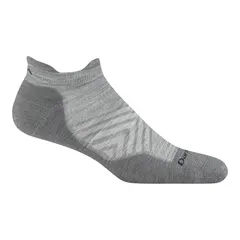
Darn Tough Run No Show Tab Ultra-Lightweight
1 pair; merino wool, no cushion, lifetime guarantee
List price at darntough.com, checked Nov 6, 2026 · Photo: darntough.com
$19Brand site
Feetures Elite Light Cushion Invisible
1 pair; light cushion, no-show
List price at feetures.com, checked Nov 6, 2026
Prices are the brand’s list price on the day checked. Some links are affiliate links: as an Amazon Associate, X Challenge earns from qualifying purchases, at no extra cost to you.
Cold rain and hypothermia
Rain at 40°F can be harder on you than dry air at 25°F. The CDC notes that hypothermia can happen at cool temperatures if you get wet and chilled, and RRCA, the national association of running clubs, says the same can happen above 40°F. The risk peaks when you slow to a walk or stop, still soaked.
- Run loops close to home, so you are never far from dry clothes.
- Avoid long out-and-back routes in cold rain.
- Shivering is the first warning. Head home.
- Get out of wet clothes as soon as you stop, and into something dry and warm.
Wet gloves lose most of their warmth. On cold, wet days, tuck a spare thin pair in a zip-top bag, or wear mittens with a water-resistant shell. Your hands will thank you on the last mile.
Being seen in the rain
Rain, spray and fogged windshields cut what drivers can see, and wet roads lengthen their stopping distance. Wear a bright outer layer even in daytime, add a small flashing light on gray days, and give crossings extra time. Run facing traffic where there is no sidewalk. See road safety for runners.
Phone, feet and kit after the run
- Put your phone in a zip-top bag. Many phones resist splashes but not a soaked pocket for an hour.
- Put anti-chafe balm on feet, thighs and anywhere a seam rubs. Wet fabric chafes more.
- After the run, take out the insoles and stuff your shoes with newspaper. Let them dry at room temperature, away from radiators and dryers, which can warp them.
- Rinse muddy shoes with water, never in the washing machine with detergent.
- If you run in the rain often, a second pair of shoes means you never start a run in damp ones.
Rainy weeks and your challenge
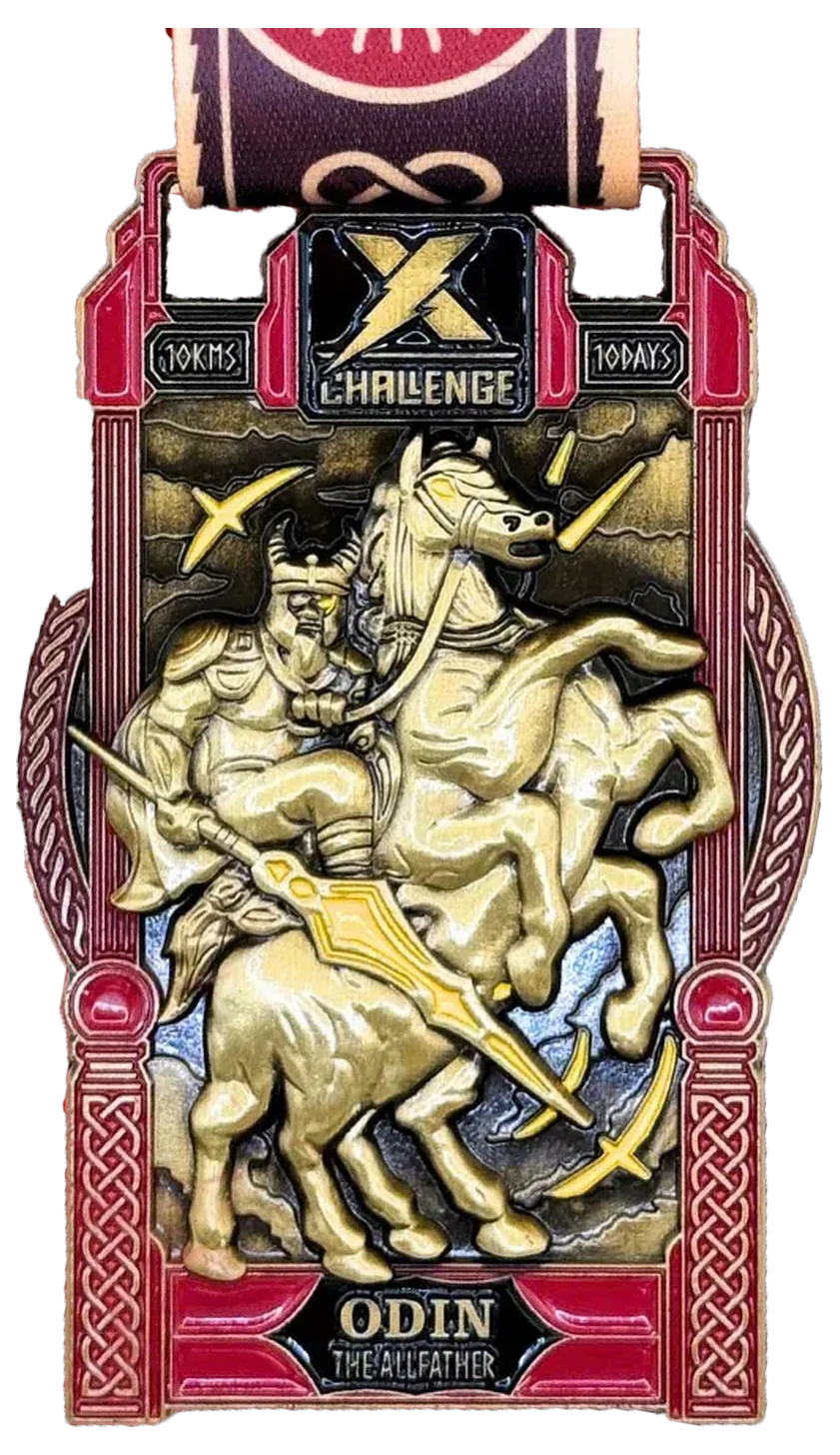
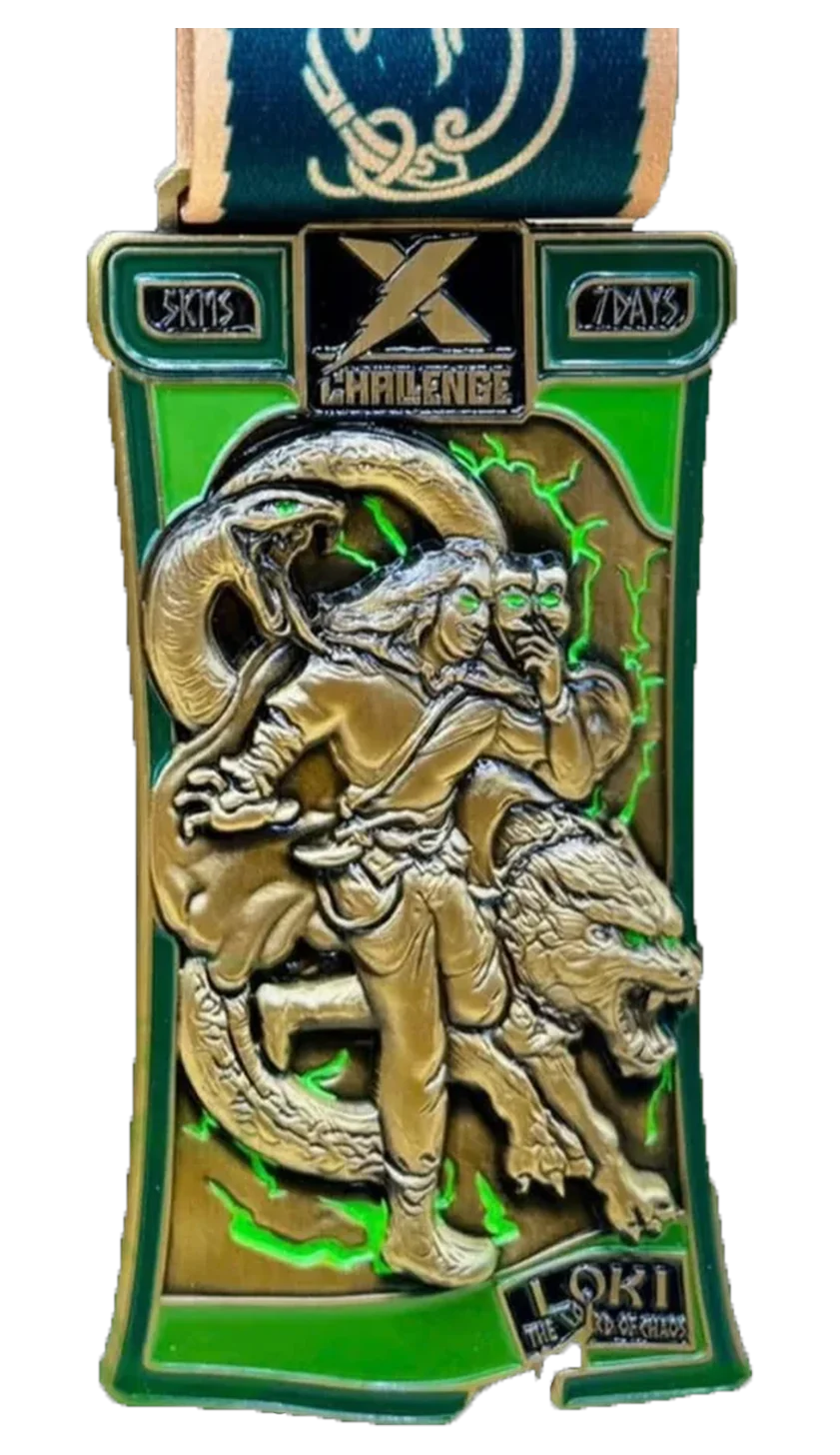
GPS works fine in the rain, and the app records a wet run like any other. A rainy week is still a good reason to have some slack. ODIN needs about 0.6 miles a day on average over 10 days, so one stormy day can be made up across the rest. When thunder settles in for the afternoon, a treadmill session counts the same. LOKI is short enough to finish between showers.
Common questions
- Can you get sick from running in the rain? Colds come from viruses, not from getting wet. Getting chilled afterward is the real risk, so change quickly.
- Is it safe to run in a light drizzle with distant thunder? No. If you can hear thunder, you are likely close enough to be struck. Go inside.
- Should I wear a waterproof jacket? Only when it is cold. In mild rain a light shell or just a technical shirt is more comfortable.
- Will rain ruin my running shoes? Not if you dry them slowly. Heat does more damage than water.
Sources
Challenges from this guide
Or take the whole set

More: all guides · how it works · every challenge