
Running in the wind: pacing, routes and when to stay in
Updated · 6 min read
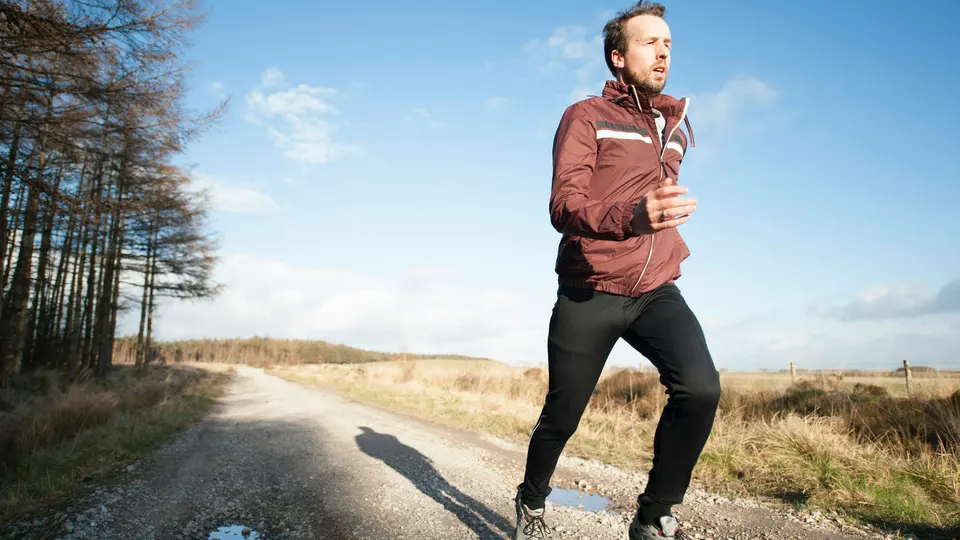
In short: On a windy day, run by effort instead of pace, start into the wind so it is behind you on the way home, and wear a light windproof layer you can unzip. Expect headwind miles to be slower and tailwind miles faster, and let them even out. In cold weather, wind makes it feel much colder, so check the wind chill as well as the temperature. Stay in during high wind warnings and thunderstorms, and avoid wooded routes in strong gusts, when branches and debris can fall.
What wind does to a run
A headwind pushes back on every stride, so the same pace takes more effort. A tailwind helps, but less than the headwind hurts. Crosswinds knock you off balance, especially on bridges and open stretches. Over a loop, a windy run almost always ends up a little slower than a calm one at the same effort.
That is fine. A run into a stiff wind is a good workout in its own right, much like a long hill. The trick is to stop looking at your pace.
Pace by effort
- Set your watch to show time or heart rate rather than pace on windy days.
- Run into the wind at the effort you would hold on a gentle hill. Let the pace drop.
- With the wind behind you, do not race. Hold the same effort and enjoy the free speed.
- Use the talk test. On an easy run you should still be able to speak in full sentences into the wind.
- Save hard interval sessions for calm days or a track with buildings or trees around it.
An example: say your easy pace is 11 minutes a mile. Into a strong headwind, the same effort might give you something closer to 12 minutes. With the wind behind you, maybe a little under 11. The average ends up slower than a calm day, and that is the wind, not your fitness.
Plan the route around the wind
The most useful habit is simple: start into the wind and finish with it at your back. You do the hard part while you are fresh and dry. On the way home, when you are sweaty and tired, the wind is behind you, and it feels several degrees warmer. Do it the other way round in winter and the last miles can get very cold.
- Check the wind direction in your weather app before you leave. It shows where the wind comes from.
- On an out-and-back route, go out into the wind.
- On loops, pick a route with shelter on the exposed side: tree-lined streets, buildings, valleys.
- Lakefronts, beaches, bridges and open farmland are the windiest places. Keep them for calmer days.
- In a group, take turns at the front. Running a step behind someone cuts the wind you face.
Wind chill
The National Weather Service uses wind chill to describe how cold it feels on exposed skin when wind is added to cold air. It applies when the air is at or below 50°F and the wind is above 3 mph. As an example, 0°F with a 15 mph wind gives a wind chill of minus 19°F.
Running adds its own breeze. Running into a 10 mph wind at a steady pace means the air hits your face faster than the forecast wind alone. Cover your ears, hands and neck, and use a buff you can pull over your face. RRCA, the national association of running clubs, notes that exposed skin can freeze in about 30 minutes once temperatures fall below zero, and that windy weather raises the risk. See running through winter.
When the wind is too strong
The Weather Service warns that high winds can blow objects around and threaten your safety, that isolated damage is possible when winds hold at 40 to 50 mph, and that straight-line winds in strong thunderstorms can top 100 mph. Those are not running days.
| Wind | What it feels like | Suggestion |
|---|---|---|
| Under 10 mph | A breeze; barely affects you | Run as normal |
| 10–20 mph | Noticeable push; slower into the wind | Run by effort, start into the wind |
| 20–30 mph, or strong gusts | Hard going, gusts knock you sideways | Choose sheltered routes, shorten the run, avoid bridges and lakefronts |
| Wind advisory or high wind warning | Branches and debris move | Run indoors or skip |
| Thunderstorm winds | Sudden, violent gusts | Go indoors at once |
Stay out of the woods in strong gusts. RRCA warns that wet, wintry weather can weaken limbs, and a cracking sound overhead is your cue to move. After a storm, watch for downed power lines and stay well away from them.
What to wear
- A light windproof shell does more than an extra warm layer. It blocks the wind and packs small when you warm up.
- Fitted clothes flap less and catch less wind than loose ones.
- A cap with a brim, worn backward or tucked low, stays on better than a visor.
- Sunglasses or clear glasses keep grit and pollen out of your eyes.
- Lip balm and a barrier cream on cheeks help with windburn on long cold runs.
Wind also dries sweat quickly, so you may not notice how much you lose. On long windy runs in warm weather, drink as you would on a hot day. See how much water to drink when running.
Wind carries dust, grit and pollen, and in the dry West it can bring smoke from distant fires. If your eyes sting or you start to cough, check the air quality before your next run. See running and air quality.
Windy days and your challenge
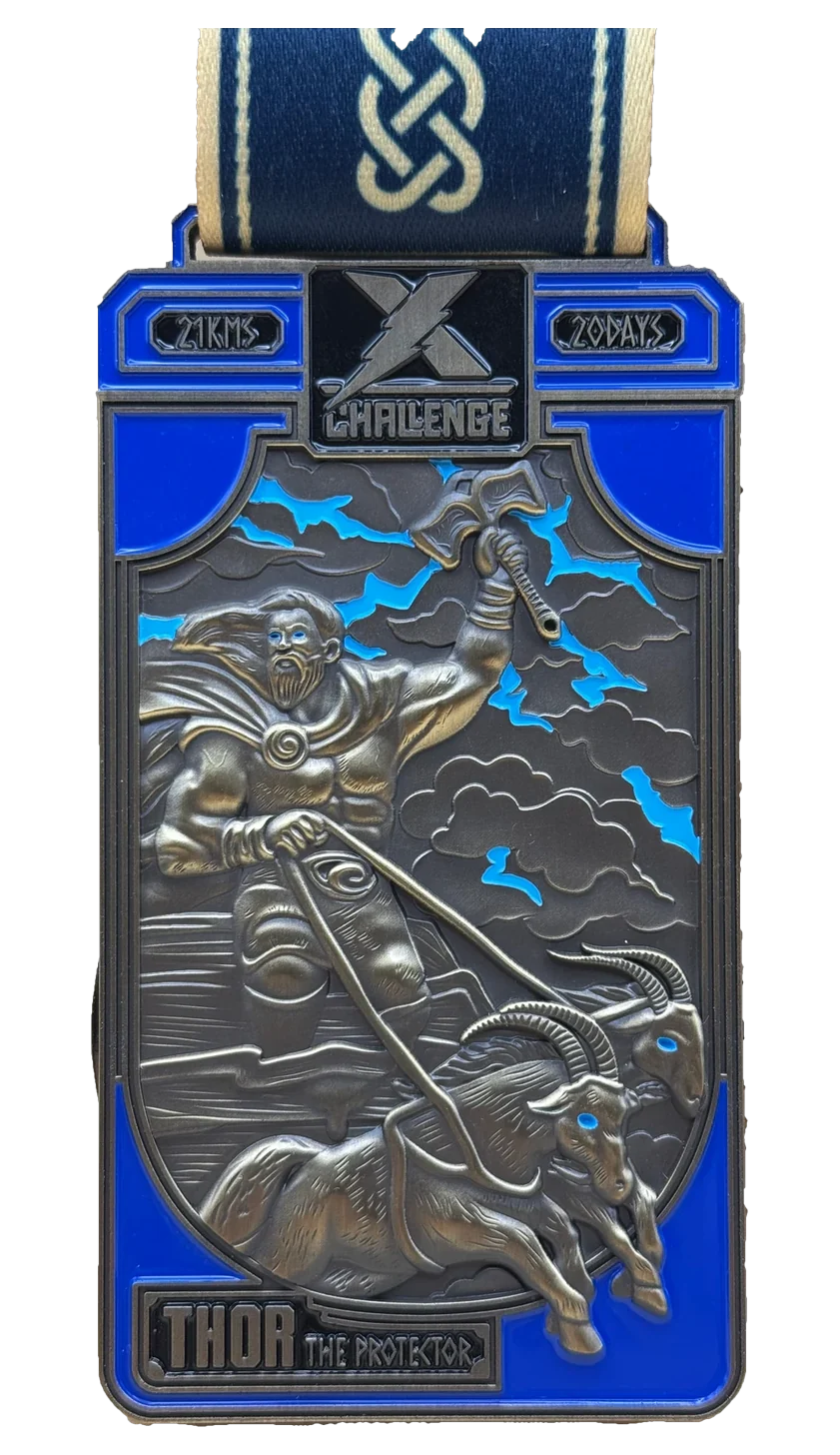
Distance is distance. The app counts a windy mile the same as a calm one, even if it took a minute longer. On a blustery week, shorten the runs and make up the miles on calmer days. THOR gives you 20 days for 13 miles (21 km), so a windy weekend does not have to derail it. ODIN is 6.2 miles in 10 days, small enough to move indoors for a day or two if a high wind warning comes through.
Common mistakes
- Chasing your usual pace into a headwind and finishing exhausted.
- Running out with the wind behind you, then turning into a freezing headwind soaked in sweat.
- Wearing a heavy jacket instead of a light windproof layer.
- Taking a wooded trail during a high wind warning.
- Forgetting that wind chill, not the air temperature, sets the frostbite risk.
- Doing a hard interval session on an exposed lakefront in a gale, then wondering why the numbers look bad.
Common questions
- How much does wind slow you down? It depends on the wind, your size and your pace. Expect a noticeably slower pace into a strong headwind, and only part of that back with it behind you.
- What wind speed is too much for running? Many runners stay in once gusts make it hard to keep your footing, and always during a high wind warning or a thunderstorm.
- Should I run into the wind first? Yes, when you can. You finish with the wind behind you while you are sweaty.
- Is running in wind good training? It builds strength like hills do. Just keep the effort easy on easy days.
Sources
Challenges from this guide

Or take the whole set

More: all guides · how it works · every challenge