
Walking shoes vs running shoes: which do you need?
Updated · 6 min read
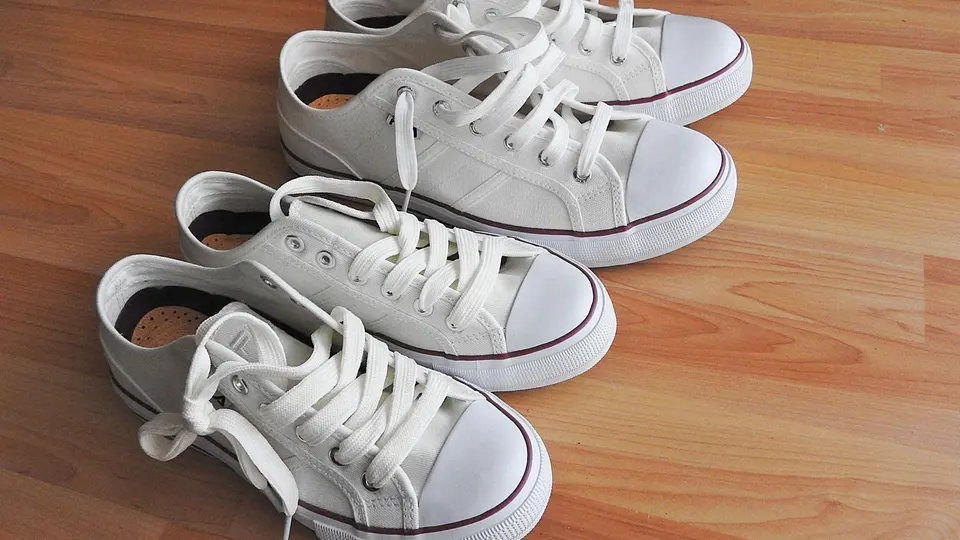
In short: For most walkers, a comfortable running shoe works well, and many people walk in nothing else. The American Academy of Orthopaedic Surgeons describes walking shoes as having a stable heel, good shock absorption and a smooth tread for the heel-to-toe roll of walking. Running shoes add more cushioning for the harder landing of running. If you also jog, choose a running shoe. If you only walk and like a firmer, steadier feel, a walking shoe is fine. Fit matters more than the label.
How they differ
| Feature | Walking shoe | Running shoe |
|---|---|---|
| Built for | Heel-to-toe rolling, one foot always on the ground | Repeated landings, which hit harder than walking steps |
| Cushioning | Moderate, often firmer | More, especially in the heel and forefoot |
| Heel | Stable heel counter, often a lower, flatter heel | Often a thicker heel that rises toward the back |
| Sole | Smooth tread, sometimes a rocker shape | Grippier, more flexible at the forefoot |
| Upper | Often leather or synthetic, sometimes all black or white for work | Light mesh, breathable |
| Choice | Fewer models in most stores | Huge range at every budget |
The AAOS sorts running shoes into three kinds: cushioned or neutral shoes, stability shoes with light to moderate support for feet whose arches collapse, and motion-control shoes with the most support. The same ideas apply when you choose a shoe for walking. It also notes that a rocker sole may help walkers with arthritis or arch pain.
Which one suits you
Choose a running shoe if you walk and jog, if you like a soft, cushioned feel, or if you want the widest choice of sizes and widths. Running shoes also tend to be lighter and more breathable, which matters on a long summer walk.
A walking shoe makes sense if you only ever walk, if you want a firmer and steadier feel, if you need a plain look for work, or if a doctor or podiatrist has suggested a rocker sole for joint or arch pain. Hiking shoes suit trails with mud, roots and rocks.
What to avoid for long walks: flat fashion sneakers, flip-flops, and shoes so worn the heel tilts. They can feel fine for 20 minutes and hurt after an hour.
How to get the fit right
- Shop at the end of the day or after a walk. Feet swell during the day, and a shoe that fits in the morning can pinch by evening.
- Bring the socks you walk in, and try on both shoes.
- Leave at least half an inch between your longest toe and the end of the shoe.
- Check that your heel does not slip as you walk, and that the widest part of your foot is not squeezed.
- Walk around the store, on a hard floor if you can, for several minutes.
- Do not count on a break-in period. A good shoe feels comfortable from the start.
Sizes vary between brands and even between models from the same brand. Go by fit, not the number. If you are between sizes, choose the larger one and lace it a little tighter. Many stores let you return unworn shoes, so you can try them on at home on carpet for an evening before you commit.
When to replace them
The AAOS gives figures for running shoes: the foam in many midsoles shows structural damage after about 120 miles, and by 500 miles a shoe has lost about 45 percent of its shock absorption. Its rule of thumb is 75,000 divided by your body weight in pounds for the miles a running shoe lasts, so about 500 miles at 150 pounds. Walking is gentler on a shoe than running, so walkers often get more, but the foam still ages.
- The tread is worn smooth in places, especially at the heel.
- The heel tilts to one side when you set the shoes on a table.
- The midsole has deep creases or feels flat when you press it.
- Your feet, shins or knees ache after walks that used to feel fine.
Socks, insoles and lacing
Socks change how a shoe fits. Thin cotton socks hold sweat, which softens skin and leads to blisters on long walks. Synthetic or merino wool socks wick moisture away and come in thin and cushioned versions. Try shoes on with the exact socks you plan to wear, as the AAOS advises.
The insole that comes with most shoes is basic. Many people do fine with it. If you have flat feet, high arches or a doctor’s advice to use an orthotic, take it with you when you try on shoes, since it takes up room inside. Remove the original insole first and put yours in its place.
- Heel slipping: use the last eyelet to tie a “runner’s loop” or heel lock, which holds the heel in place.
- Pressure on the top of your foot: skip an eyelet over the sore spot.
- Toes going numb on long walks: loosen the laces near the toes, or try a wider fit.
Shoes under $100
A basic cushioned running shoe is a good walking shoe for most people and the cheapest way to start. This one has a moderate heel-to-toe drop and is built for everyday miles.

ASICS GEL-CONTEND 101011C249-020
Men's; 8 mm drop; 317 g / 11.2 oz
List price at asics.com, checked Nov 6, 2026
Prices are the brand’s list price on the day checked. Some links are affiliate links: as an Amazon Associate, X Challenge earns from qualifying purchases, at no extra cost to you.
Shoes from $100 to $150
Mid-priced daily trainers give more cushioning and last longer. All of these work for long walks as well as runs. Try them on before you buy. The best one is the one that fits your foot.
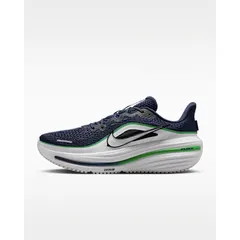
Nike Winflo 12II7229-400
Men's; 10 mm drop; about 11.4 oz; Cushlon 3.0 with a heel Air unit; Nike says it runs small
List price at nike.com, checked Nov 6, 2026 · Photo: nike.com
$110Brand site
ASICS GEL-CUMULUS 281011C143-400
Men's; 8 mm drop; 259 g / 9.1 oz; neutral
List price at asics.com, checked Nov 6, 2026

New Balance Fresh Foam X 880v15M880V15-48603
Men's; 6 mm drop; 299 g / 10.5 oz
List price at newbalance.com, checked Nov 6, 2026

Brooks Ghost 18110493
Men's; 10 mm drop; 10.2 oz / 289 g; DNA LOFT v3
List price at brooksrunning.com, checked Nov 6, 2026
Prices are the brand’s list price on the day checked. Some links are affiliate links: as an Amazon Associate, X Challenge earns from qualifying purchases, at no extra cost to you.
For more choices, see running shoes by budget and running socks and clothes. Good socks matter as much as shoes on a long walk.
Common questions
Can you run in walking shoes? For a short jog, yes. For regular running they are usually too stiff and too firm.
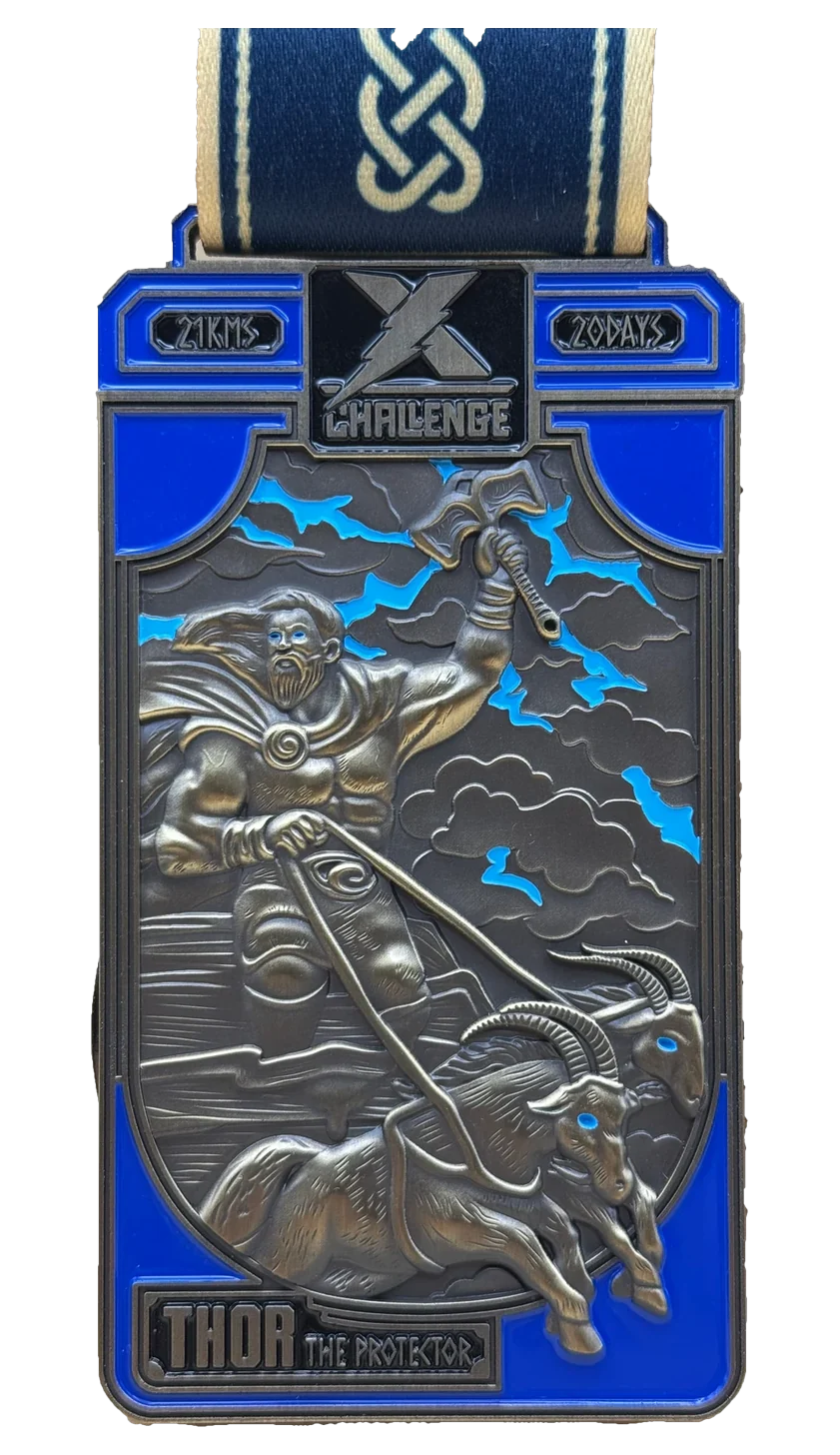
What shoes do I need for a walking challenge? A comfortable pair you have already worn on a few walks. For a long one such as THOR, choose cushioned shoes and break them in before the window starts.
Are expensive shoes better for walking? Not always. Fit and comfort matter more than price. A shoe under $100 that fits beats a premium one that rubs.
Should I own two pairs? It helps if you walk most days. Swapping lets each pair dry out between walks, and you will notice sooner when one has worn down.
Sources
- Athletic Shoes (OrthoInfo, American Academy of Orthopaedic Surgeons): what walking and running shoes are built for, how to fit them, and when cushioning wears out.
- How to avoid exercise injuries (MedlinePlus, NIH): warm up slowly, cool down for 5 to 10 minutes, do not raise frequency, length and effort all at once, and stop if you feel pain.
Challenges from this guide
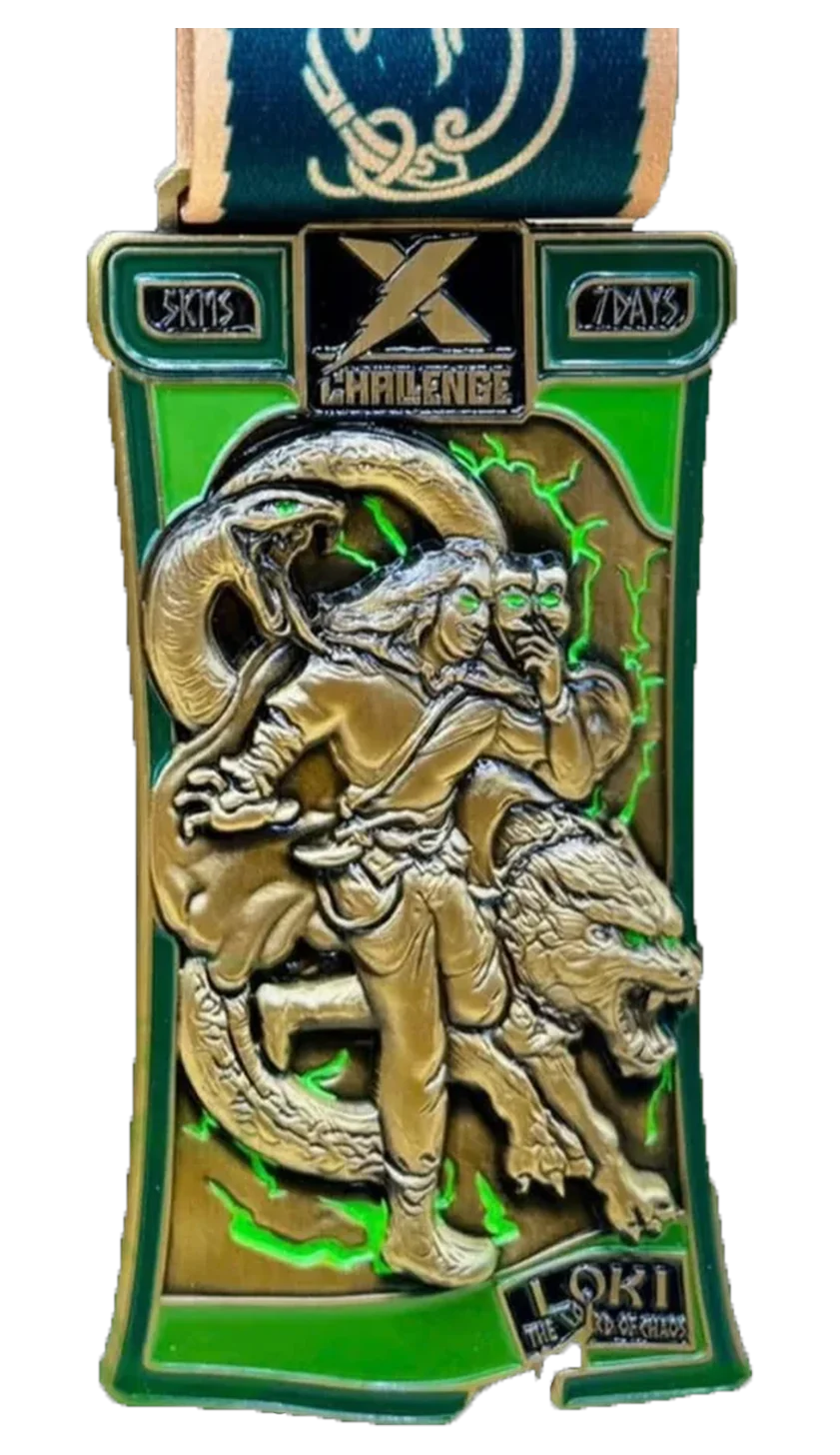
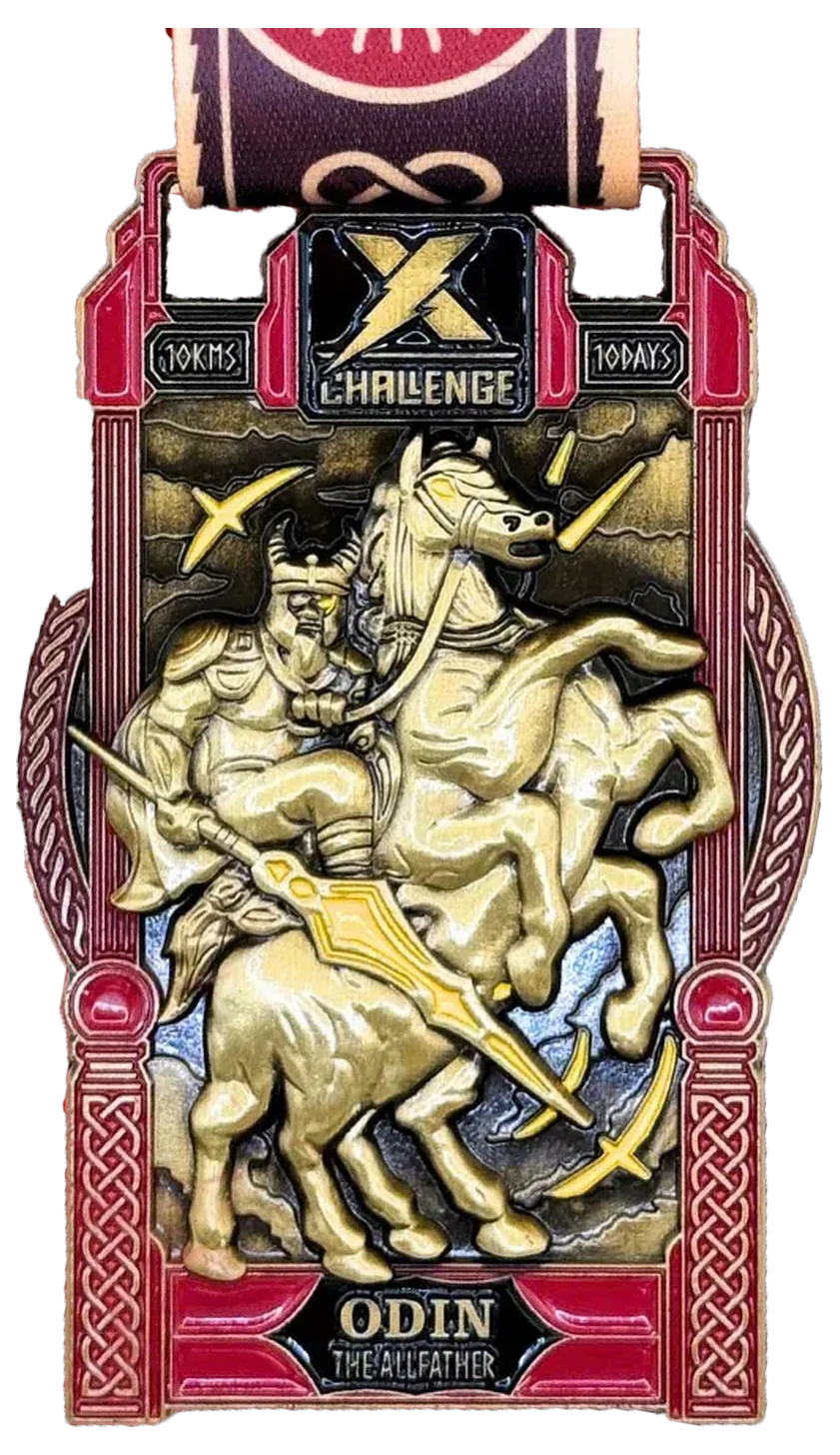
Or take the whole set
More: all guides · how it works · every challenge