
How to start running at any age, weight or fitness level
Updated · 6 min read

In short: Start by walking briskly for 20 to 30 minutes, three times a week. Once that feels easy, switch to walk-run intervals: one minute of slow jogging, then a minute and a half of walking, repeated for about 20 minutes. Add a little more jogging each week, keep a rest day between sessions, and go slowly enough to talk. Most people can run for 30 minutes without stopping after two to three months. Age and weight change how fast you build up, not whether you can start.
Check in with a doctor first if you need to
If you have a health condition, are pregnant, or have not exercised in a long time, check with a doctor before you start. That includes heart or lung conditions, diabetes, high blood pressure, and joint problems that hurt when you walk. Most people do not need a test before they start walking, but a short conversation can tell you what to watch for.
The CDC recommends that adults get 150 minutes of moderate activity a week, such as brisk walking, or 75 minutes of vigorous activity such as running. It also says some activity is better than none. Three 30-minute sessions of walk-run already cover a large share of that.
Stage 1: build a walking base
If you cannot yet walk briskly for 30 minutes without stopping, start here. Walk three to five days a week for two to four weeks:
- Week 1: 15 to 20 minutes at a comfortable pace.
- Week 2: 20 to 25 minutes, the middle part a little quicker.
- Week 3: 25 to 30 minutes at a brisk pace, the kind where you can talk but not sing.
- Week 4: 30 minutes brisk. When this feels easy, you are ready to jog.
Walking counts as training. It builds the tendons and bones that running will load harder later. See how long it takes to walk a 5K if you want a walking goal first.
Stage 2: walk-run intervals
This is the stage most beginner programs, including the NHS Couch to 5K, are built on. Three sessions a week, a rest day between them, and a five-minute walk before and after.
| Weeks | Jog | Walk | Rounds |
|---|---|---|---|
| 1–2 | 1 minute | 1½ to 2 minutes | 6 to 8 |
| 3–4 | 2 to 3 minutes | 1½ to 2 minutes | 5 to 6 |
| 5–6 | 5 minutes | 2 to 3 minutes | 3 to 4 |
| 7–8 | 8 to 10 minutes | 1 to 2 minutes | 2 to 3 |
After that, join the jogs together until you can run 20, then 25, then 30 minutes. If a week feels too hard, repeat it. The full nine-week version is in your first virtual 5K, and the walking breaks themselves are explained in the run-walk method.
How slow is slow enough
Your jog may be barely faster than your walk at first. That is correct. Use the CDC’s talk test: if you can say a full sentence, the pace is right. If you can only manage a few words, slow down or walk. Most first-time runners go too fast, run out of breath in a minute, and decide they are not built for running. At the right pace, almost everyone can jog for a minute. See how to breathe while running for more.
Starting in your 50s, 60s or later
- The CDC’s activity targets for adults 65 and older are the same 150 minutes of moderate activity a week, plus muscle-strengthening on two days and balance activities.
- Give yourself longer at each stage. Repeating weeks is part of the plan.
- Keep two full rest days a week, or make them walking days.
- Add simple strength work: sit-to-stands from a chair, calf raises on a step, and glute bridges on the floor.
- Practice balance by standing on one foot while you brush your teeth.
- If a condition limits you, the CDC’s advice is to be as active as your abilities allow.
Starting while carrying extra weight
Running loads your legs with several times your body weight on each step, so the walking stage matters more. Spend the full four weeks on it, or longer. These changes help:
- Keep the jog short and slow. Thirty seconds of jogging between two-minute walks is a fine start.
- Choose softer, even surfaces when you can, such as a track, a packed-dirt path or a treadmill.
- Mix in low-impact days: cycling, swimming or an elliptical give your heart and lungs the work with less pounding.
- Invest in cushioned shoes that fit. See the options below and running shoes by budget.
- Do not run through joint pain. Walk instead and see a doctor if it lasts.
If weight loss is part of your goal, food matters as much as miles. See running for weight loss: what to eat.
What you need
A pair of running shoes that fit, clothes you can move in, and your phone. Socks that do not slip help with blisters. A running watch can wait. Shoes under $100 are enough to start:

ASICS GEL-CONTEND 101011C249-020
Men's; 8 mm drop; 317 g / 11.2 oz
List price at asics.com, checked Nov 6, 2026
Prices are the brand’s list price on the day checked. Some links are affiliate links: as an Amazon Associate, X Challenge earns from qualifying purchases, at no extra cost to you.
If you can spend $100 to $150, a daily trainer with more cushioning lasts longer and feels softer on longer walks and runs:
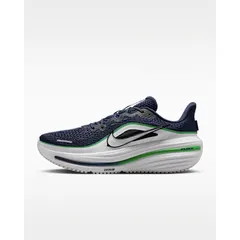
Nike Winflo 12II7229-400
Men's; 10 mm drop; about 11.4 oz; Cushlon 3.0 with a heel Air unit; Nike says it runs small
List price at nike.com, checked Nov 6, 2026 · Photo: nike.com
$110Brand site
Brooks Ghost 18110493
Men's; 10 mm drop; 10.2 oz / 289 g; DNA LOFT v3
List price at brooksrunning.com, checked Nov 6, 2026
Prices are the brand’s list price on the day checked. Some links are affiliate links: as an Amazon Associate, X Challenge earns from qualifying purchases, at no extra cost to you.
Give yourself a finish line
A date and a distance make it easier to keep going. On X Challenge, Loki is 5 km in 7 days, and every walk or run the app records counts toward it, so you can finish during the walking stage. Once you can run 30 minutes, Odin is 10 km in 10 days. For habits that stick, see how to build a running habit.
Common questions
- Am I too old to start running? The CDC sets the same activity targets for adults over 65 as for younger adults. People take up running in their 60s and 70s. Build up more slowly and add strength and balance work.
- Am I too heavy to run? Start with walking and short, slow jogs on soft surfaces. Talk to a doctor if you have joint pain or a health condition.
- How long until running feels easier? Most people notice a difference in three to four weeks of regular sessions.
- Should I run every day? Not at first. Three days a week with rest between them is the usual start. See how many days a week to run.
- What if I miss a week? Go back one week in the plan and carry on from there. A missed week happens to almost everyone and costs very little.
Sources
- Adult Activity: An Overview, CDC: 150 minutes of moderate or 75 of vigorous activity a week, strength work on two days, and some activity is better than none.
- Older Adult Activity: An Overview, CDC: the same targets for adults 65 and older, plus balance activities, and being as active as your abilities allow.
- How to Measure Physical Activity Intensity, CDC: the talk test.
- Couch to 5K running plan, NHS: walk-run intervals, three runs a week, repeating weeks when you need to.
Challenges from this guide


Or take the whole set

More: all guides · how it works · every challenge